



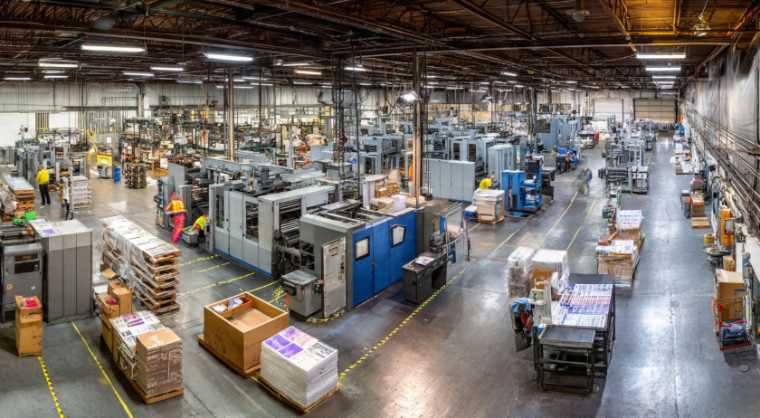

Printing services play a critical role in helping businesses create professional marketing materials, branded assets, and operational documents. Whether it’s business cards, brochures, packaging, or large banners, modern printing services combine advanced technology with streamlined workflows to deliver high-quality results efficiently.
If you’re wondering how printing services work for businesses, this guide breaks down the entire process, methods used, benefits, and costs—so you can make informed decisions for your company.
What Are Printing Services for Businesses?
Printing services are professional solutions that produce printed materials for companies using specialized equipment and techniques. Instead of investing in in-house printing infrastructure, businesses outsource their printing needs to vendors who handle everything from design preparation to final delivery.
These services support both small-scale and large-volume printing, making them ideal for startups, SMEs, and enterprises alike.
How Printing Services Work: Step-by-Step Workflow
The process of printing services is designed to be simple, efficient, and scalable. Most modern providers—especially online platforms—follow a streamlined workflow that ensures speed and consistency.
Typical Printing Workflow
- Businesses upload their design files or collaborate with the printing provider’s design team
- Materials, sizes, finishes, and quantities are selected based on project requirements
- The printer reviews and prepares the file for production, ensuring proper formatting and color settings
- Printing is executed using the chosen method such as digital or offset
- Post-press finishing processes are applied, including cutting, folding, or laminating
- Final products are packaged and delivered to the business location
This workflow eliminates the need for companies to manage printing equipment, inventory, or technical expertise.
Types of Printing Methods Used by Businesses

Different printing methods are used depending on the project size, material, and desired quality. Each technique serves a specific purpose.
Common Printing Methods
- Digital printing is ideal for short runs, quick turnaround, and customized materials like brochures or business cards
- Offset printing is used for large-volume jobs where consistent color and cost efficiency are important
- Screen printing is commonly used for apparel, merchandise, and promotional items
- Large format printing is used for banners, posters, signage, and displays
Choosing the right method depends on your business goals, budget, and timeline.
Post-Press Finishing: The Final Touch
Printing does not end once the ink is on paper. Finishing processes add functionality and enhance the appearance of printed materials.
Common finishing services include binding for booklets, folding for brochures, laminating for durability, and die-cutting for custom shapes. These steps are essential for creating polished, professional outputs that align with brand identity.
Benefits of Printing Services for Businesses
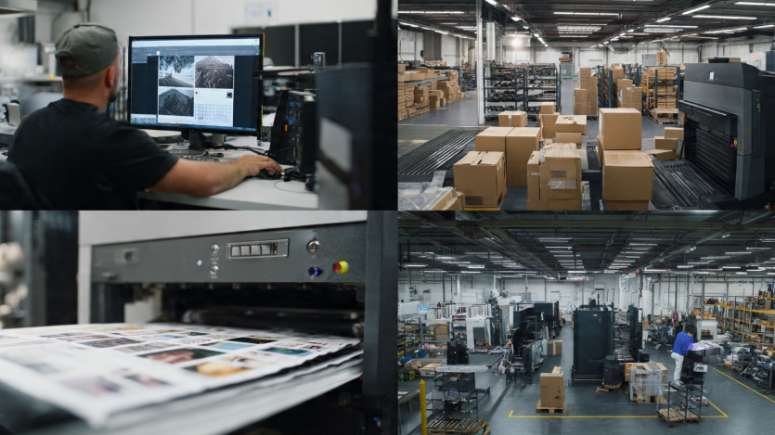
Outsourcing printing offers several advantages that go beyond just convenience. It helps businesses maintain quality while optimizing costs and efficiency.
Key Benefits
- Cost efficiency as businesses avoid investing in expensive printing equipment and maintenance
- Professional quality with accurate color matching and high-resolution output
- Scalability allowing businesses to print small batches or large volumes as needed
- Time savings by outsourcing complex printing tasks to experts
- Access to advanced technologies and materials that are not available in-house
These benefits make printing services a strategic choice for businesses aiming to enhance their branding and marketing efforts.
Common Uses of Printing Services
Printing services are used across industries for a wide range of applications. From marketing to internal operations, printed materials remain essential.
Businesses use printing services for flyers, brochures, catalogs, and posters to promote their products and services. Stationery items like business cards and letterheads help maintain a professional image. Packaging and labels are crucial for product branding, while training manuals and internal documents support operations.
The versatility of printing services ensures they remain relevant in both traditional and digital marketing strategies.
Cost of Printing Services
The cost of printing depends on several factors, including the printing method, material, quantity, and finishing options. Digital printing is generally more affordable for small runs, while offset printing becomes cost-effective for large volumes.
For example, printing 200 pages may cost anywhere from a few hundred to a few thousand rupees depending on quality, paper type, and color requirements. Businesses should always request quotes and compare options to find the best value.
How Businesses Choose the Right Printing Service
Selecting the right printing partner is crucial for achieving consistent quality and cost efficiency. Businesses should evaluate providers based on their capabilities, turnaround time, pricing, and customer support.
It is also important to review samples, check client testimonials, and ensure the provider can handle both current and future needs. A reliable printing partner becomes an extension of your brand.
Challenges in Printing Services
While printing services offer many benefits, there are some challenges businesses should consider. Miscommunication during file preparation can lead to errors. Delays in production or delivery can impact marketing campaigns.
To avoid these issues, businesses should provide clear instructions, use high-quality design files, and work with experienced printing vendors.
Frequently Asked Questions
Do printing services make money?
Yes, printing services are profitable businesses because they serve a wide range of industries. They generate revenue through bulk orders, specialized printing, and value-added services like design and finishing.
What is the rule of 4 printing?
The “rule of 4” refers to the fact that printed pages are typically arranged in multiples of four due to how sheets are folded and bound in printing processes, especially for booklets and magazines.
How does commercial printing work?
Commercial printing involves producing large quantities of printed materials using methods like offset or digital printing. It includes prepress preparation, printing, and finishing to deliver high-quality outputs for businesses.
How much does it cost to print 200 pages?
The cost depends on factors like paper quality, color printing, and binding. Basic black-and-white printing may be inexpensive, while color or premium finishes increase the cost significantly.
Why Printing Services Are Essential for Business Growth
Understanding how printing services work for businesses helps companies leverage them effectively for branding, marketing, and operations. From small promotional materials to large-scale campaigns, printing services provide the flexibility and quality businesses need to stand out.
As technology evolves, businesses are increasingly combining traditional methods with modern approaches like what is digital printing process to achieve faster turnaround times and personalized outputs. This combination allows companies to stay competitive while maintaining high-quality standards.
By choosing the right printing partner and method, businesses can enhance their brand presence, improve communication, and drive long-term growth.