
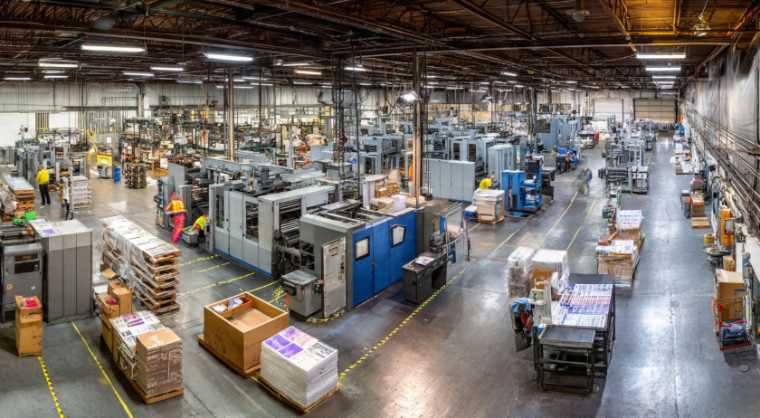
Digital printing has transformed the way businesses produce marketing materials, packaging, and customized prints. Unlike traditional methods, it offers speed, flexibility, and cost efficiency—making it a preferred choice for modern printing needs.
If you’re wondering what is digital printing process, this guide will explain how it works step by step, its types, advantages, and how it compares to traditional printing methods.
What Is Digital Printing?
Digital printing is a modern printing method that transfers digital files—such as PDFs or design files—directly onto a physical surface like paper, fabric, or vinyl. It eliminates the need for printing plates, which are required in traditional offset printing.
Instead, digital printers use technologies like inkjet or laser (toner-based) systems to produce high-quality prints quickly and efficiently. This makes digital printing ideal for short runs, on-demand printing, and personalized materials.
How the Digital Printing Process Works
The digital printing process involves several stages, each designed to ensure precision and quality output. Unlike traditional printing, it requires minimal setup and allows for faster production.
Key Steps in the Digital Printing Process
- File preparation begins with designing the artwork in high resolution, typically 300 dpi, and converting it into a print-ready format using the CMYK color model
- Pre-press setup involves sending the file to the printer, calibrating the machine, and loading the required material such as paper or fabric
- Printing is carried out by applying ink or toner directly onto the surface using inkjet or laser technology
- Drying or curing ensures the ink is set properly, either through air drying or heat bonding in the case of toner
- Finishing includes cutting, trimming, folding, or binding the printed material to meet final specifications
Each step is streamlined to reduce production time while maintaining consistent quality.
Types of Digital Printing
Digital printing is not a single technique but a group of methods that cater to different materials and use cases. Understanding these types helps businesses choose the right solution.
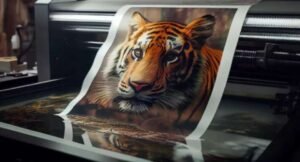
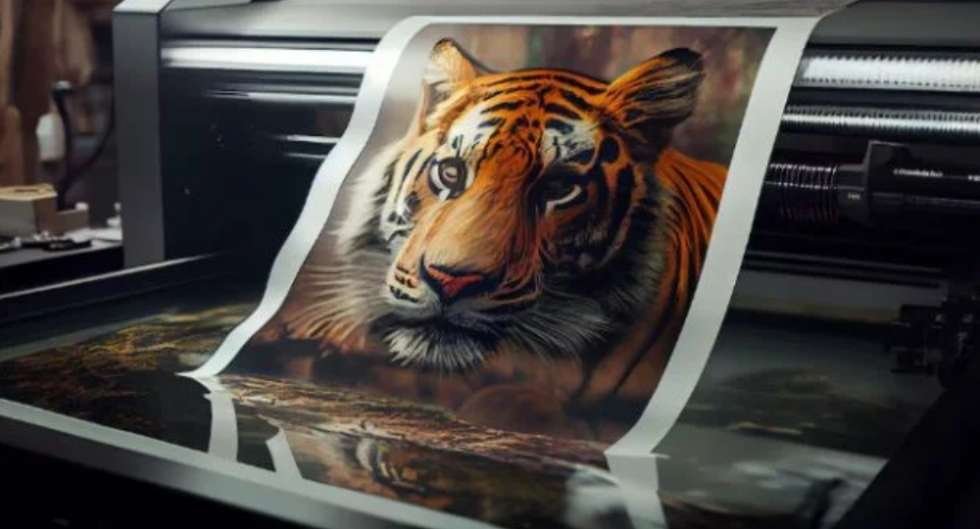
- Inkjet printing sprays tiny droplets of liquid ink onto the surface and is commonly used for photos, large-format prints, and textiles
- Laser or toner printing uses electrostatic charges to apply toner powder, which is then fused onto the material using heat
- Dye sublimation printing converts ink into gas through heat, allowing it to bond with materials like fabric at a molecular level
Each method offers unique advantages depending on the application, whether it’s marketing materials, apparel, or signage.
Advantages of Digital Printing
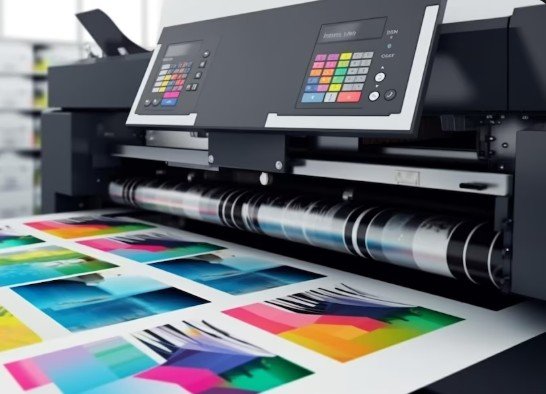
Digital printing offers several benefits that make it a popular choice for businesses of all sizes. It is particularly useful for companies that need flexibility and speed.
- No printing plates are required, which reduces setup costs and preparation time
- Faster turnaround allows businesses to meet tight deadlines and print on demand
- Variable data printing enables customization, such as personalized names or unique codes on each print
- High-quality output ensures sharp images and vibrant colors
- Cost-effective for short runs, as there is no need for large batch production
These advantages make digital printing ideal for modern marketing campaigns and personalized communication.
Examples of Digital Printing Applications
Digital printing is widely used across industries for various purposes. Its versatility makes it suitable for both small and large-scale projects.
Businesses use digital printing for brochures, flyers, and business cards. It is also commonly used for posters, banners, and signage. In the textile industry, it is used for custom apparel and fabric printing. Packaging, labels, and promotional materials are other common applications.
The ability to produce customized prints quickly makes it especially valuable for targeted marketing campaigns.
Digital Printing vs Traditional Printing
One of the most common comparisons is between digital printing and traditional methods like offset printing. Each has its own strengths depending on the project requirements.
Digital printing is faster and requires minimal setup, making it ideal for short runs and personalized prints. Traditional printing, on the other hand, is better suited for large volumes where consistency and cost per unit become more important.
Digital printing allows for easy updates and changes to designs, while traditional printing requires new plates for any modification. This flexibility makes digital printing more efficient for dynamic business needs.
Materials Used in Digital Printing
Digital printing supports a wide range of materials, which adds to its versatility. Businesses can print on paper, cardstock, fabric, vinyl, and even certain plastics.
This flexibility allows companies to create everything from simple documents to complex marketing materials and branded merchandise. The choice of material depends on the intended use and desired finish.
When Should You Use Digital Printing?
Digital printing is best suited for projects that require speed, customization, and smaller quantities. It is particularly useful for startups, small businesses, and marketing teams that need quick turnaround times.
It is also ideal for printing variable data, such as personalized mailers or event tickets. Businesses that frequently update designs or run multiple campaigns benefit greatly from digital printing.
For large-scale production with consistent designs, traditional methods may still be more cost-effective.
Common Challenges in Digital Printing
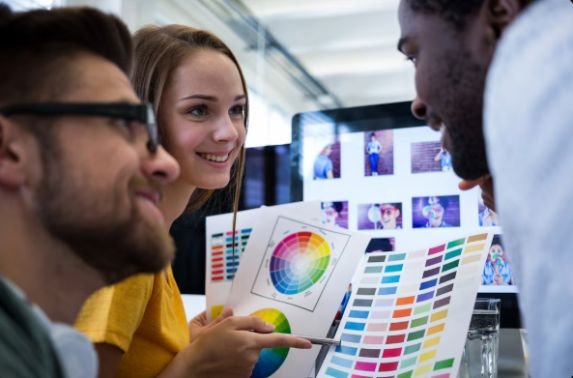
While digital printing offers many advantages, it also has some limitations. It may not be as cost-effective for very large print runs compared to offset printing. Color matching can sometimes vary slightly between prints, especially across different machines.
However, advancements in technology continue to improve consistency and quality, making digital printing increasingly reliable for a wide range of applications.
Frequently Asked Questions
What is the process for digital printing?
The digital printing process involves preparing a high-resolution design file, sending it to a printer, applying ink or toner directly onto the material, drying or curing the print, and finishing it through cutting or binding.
Does Michaels do digital printing?
Yes, many retail stores like Michaels offer digital printing services, including photo printing, custom prints, and crafting materials, though the scope may vary by location.
What are examples of digital printing?
Examples include business cards, brochures, posters, banners, custom T-shirts, labels, and personalized marketing materials.
What is the difference between digital printing and regular printing?
Digital printing does not require printing plates and is ideal for short runs and customization, while regular printing (such as offset) uses plates and is more cost-effective for large-volume production.
Why Digital Printing Is Essential for Modern Businesses
Understanding what is digital printing process helps businesses make smarter decisions about their printing needs. Its ability to deliver fast, high-quality, and customized output makes it a powerful tool for marketing and communication.
As businesses grow, they often combine digital printing with other methods like what is commercial printing to balance speed, cost, and scalability. This hybrid approach ensures they can meet both short-term and large-scale printing demands efficiently.
Digital printing continues to evolve, offering new possibilities for personalization and innovation, making it an essential part of modern business operations.