
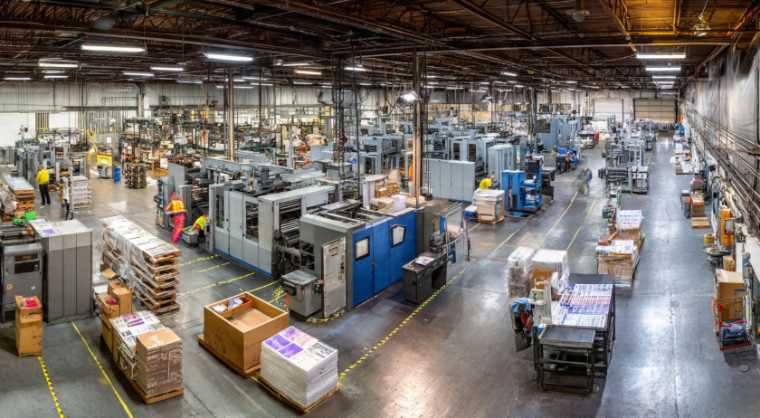

I have noticed that people often judge a product before they ever touch it, taste it, or try it. The box, label, color, texture, and message all work together in a few seconds. That is why How Packaging Influences Customer Buying Decisions matters so much for any brand that wants more attention, trust, and repeat sales.
Why Packaging Matters Before the Product Is Used
Packaging is more than protection. It is the first message a customer receives from a product. Before someone reads reviews or compares details, they usually notice the design. A clean package can make a product feel premium. A messy design can make even a good product seem cheap or confusing.
Good packaging answers silent customer questions such as, “Is this worth my money?” “Can I trust this brand?” and “Does this fit my lifestyle?” This is why strong packaging works like a quiet salesperson. It attracts attention, explains value, and reduces hesitation.
The Psychology Behind Packaging and Buyer Behavior
Rounded shapes can feel friendly, while sharp, bold shapes may feel modern or powerful. Texture also matters. Matte finishes, embossed labels, glass bottles, kraft paper, or smooth cartons can change how valuable a product feels. When packaging feels better in the hand, customers often believe the product inside is better too.
How First Impressions Influence Sales
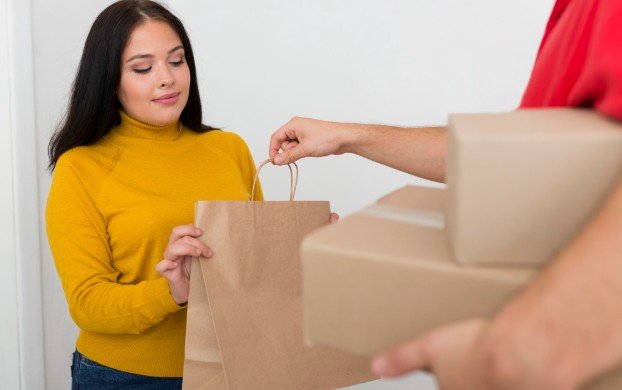
First impressions happen fast. On a crowded shelf or product page, packaging must earn attention quickly. A customer may compare several similar products in seconds. If one package looks clearer, cleaner, or more professional, it can win the sale even when the product itself is similar to competitors.
This is especially important for food, beauty, supplements, beverages, gifts, and household products. In these categories, buyers often rely on visual cues to judge quality.
How Labels Build Customer Trust
Clear labels make customers feel safer. A buyer wants to know what the product is, how to use it, what it contains, and why it is different. Confusing labels create doubt. Small fonts, cluttered claims, missing details, or unclear benefits can stop a purchase. On the other hand, honest and simple labels help buyers make decisions faster.
Trust-building packaging often includes ingredients, benefits, instructions for use, certifications, brand story, recyclable details, and clear product claims. When customers do not have to guess, they feel more confident.
How Packaging Drives Impulse Buying
Impulse buying happens when a product feels attractive enough to buy without much planning. Packaging plays a major role here. A bold design can stop someone while walking through a store. A seasonal package can make a product feel limited.
A gift-ready box can make buying feel easier. A fun label can create curiosity. Impulse purchases are not only about price. They are often about emotion, timing, and presentation. When packaging creates excitement or urgency, buyers are more likely to act.
How Sustainable Packaging Affects Modern Buyers
Many shoppers now pay attention to packaging waste. Recyclable, reusable, compostable, and minimal packaging can make a brand feel more responsible. However, sustainability must still be practical. Customers want eco-friendly packaging, but they also expect durability, freshness, and convenience.
Weak or poorly designed sustainable packaging can hurt trust. The best approach is balance. Simple materials, clear recycling instructions, reduced plastic, and honest environmental claims can make customers feel good about choosing a product.
How Ecommerce Packaging Impacts Repeat Purchases
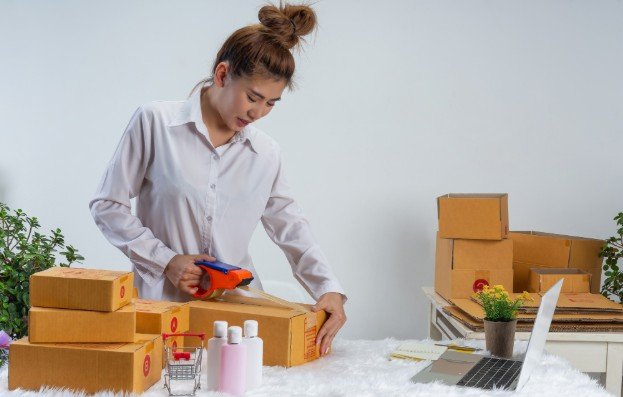
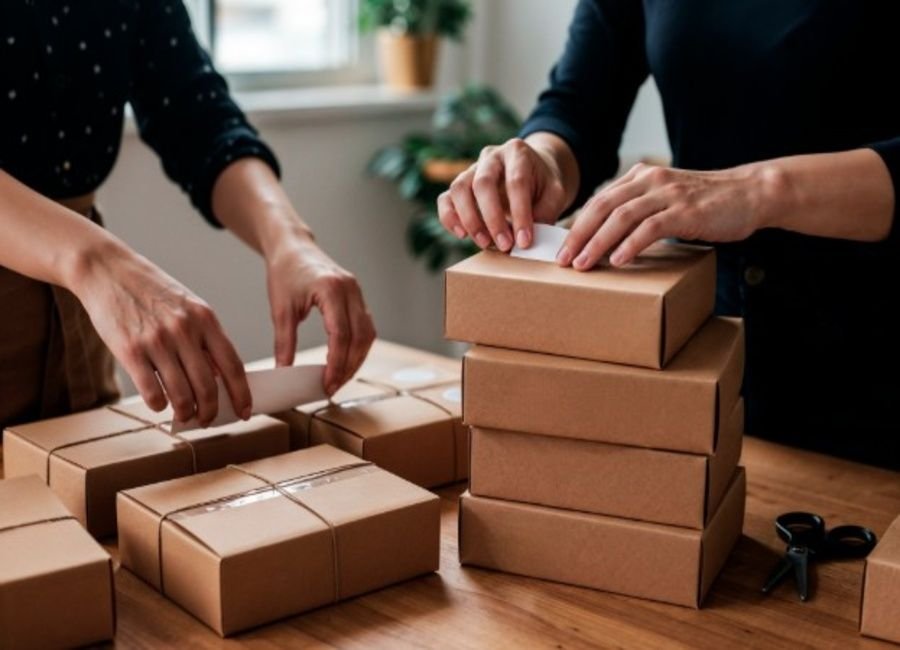
Packaging does not end at the checkout page. For online orders, the unboxing experience can shape how customers remember the brand. A damaged box, loose item, or poor presentation can make the buyer feel disappointed. But a secure, neat, and thoughtful package can create excitement.
Ecommerce packaging should protect the product, reflect the brand, and make opening the order feel pleasant. Small details like branded tissue, thank-you cards, easy returns, QR codes, or clean inserts can encourage repeat purchases.
Common Packaging Mistakes That Hurt Sales
One mistake is trying to say too much. A crowded package makes buyers work harder, and confused customers often choose something else. Another mistake is using design that does not match the product. A luxury item should not look cheap. A natural product should not look overly artificial. A children’s product should not feel too serious.
Poor readability is also a problem. If customers cannot quickly understand the product name, benefit, size, or purpose, the design is failing. Brands also lose sales when packaging looks outdated, feels hard to open, lacks trust signals, or does not stand out from competitors.
Packaging Checklist for Better Customer Decisions
A strong package should clearly show what the product is, who it is for, why it is useful, and why the brand can be trusted. It should use readable fonts, strong color contrast, simple claims, useful product details, and materials that fit the product’s price point.
It should also feel consistent with the brand. If the website, ads, product page, and packaging all look connected, customers feel more confident. Most importantly, packaging should make buying easier. When customers understand the value quickly, they are more likely to choose the product.
Frequently Asked Questions
1. What is the main way packaging affects buying decisions?
Packaging affects attention, trust, perceived quality, and emotional response. A strong design helps customers feel more confident before they buy.
2. Does color really matter in packaging?
Yes, color can influence mood and product expectations. For example, green may suggest natural qualities, while black may suggest premium value.
3. Why is clear labeling important?
Clear labeling helps customers understand ingredients, benefits, usage, size, and safety details. This reduces confusion and builds trust.
4. How Packaging Influences Customer Buying Decisions in online shopping?
In online shopping, packaging affects unboxing, product protection, reviews, brand memory, and repeat purchases.
Final Thoughts
When I look at successful products, I rarely see packaging as an afterthought. It is part of the buying journey. It helps people notice a product, understand it, trust it, and remember it.
For any brand, improving packaging is not just about looking better. It is about helping customers make faster and more confident choices. That is the real power behind How Packaging Influences Customer Buying Decisions.