

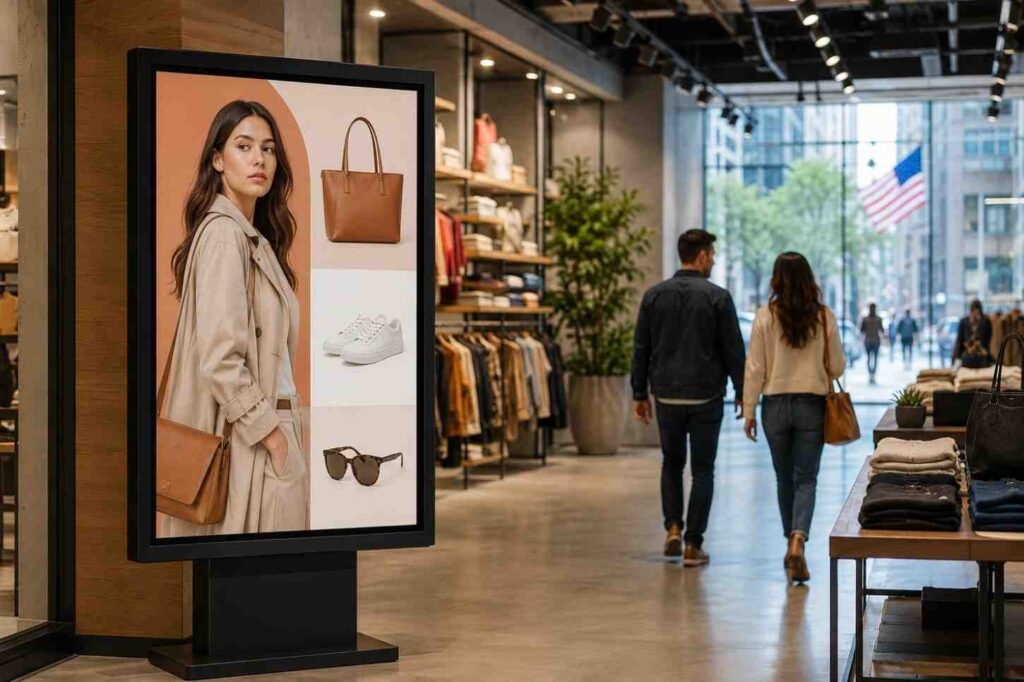
Walk into any modern retail store today, and it becomes obvious how much shopping behavior has changed. Screens now greet customers at entrances, highlight flash deals near checkout counters, and even recommend products while people browse aisles. A few years ago, printed posters and hanging banners dominated these spaces. Now, brands want movement, instant updates, and content that actually reacts to customer attention.
That shift is exactly why digital display marketing has become such a major part of modern retail strategy. Retailers no longer compete only on products or pricing. They compete for attention. Customers scroll fast, move quickly, and expect visual experiences everywhere they go. Static advertising struggles to hold attention in that environment, while digital displays create something far more dynamic and memorable.
What Digital Display Marketing Really Means
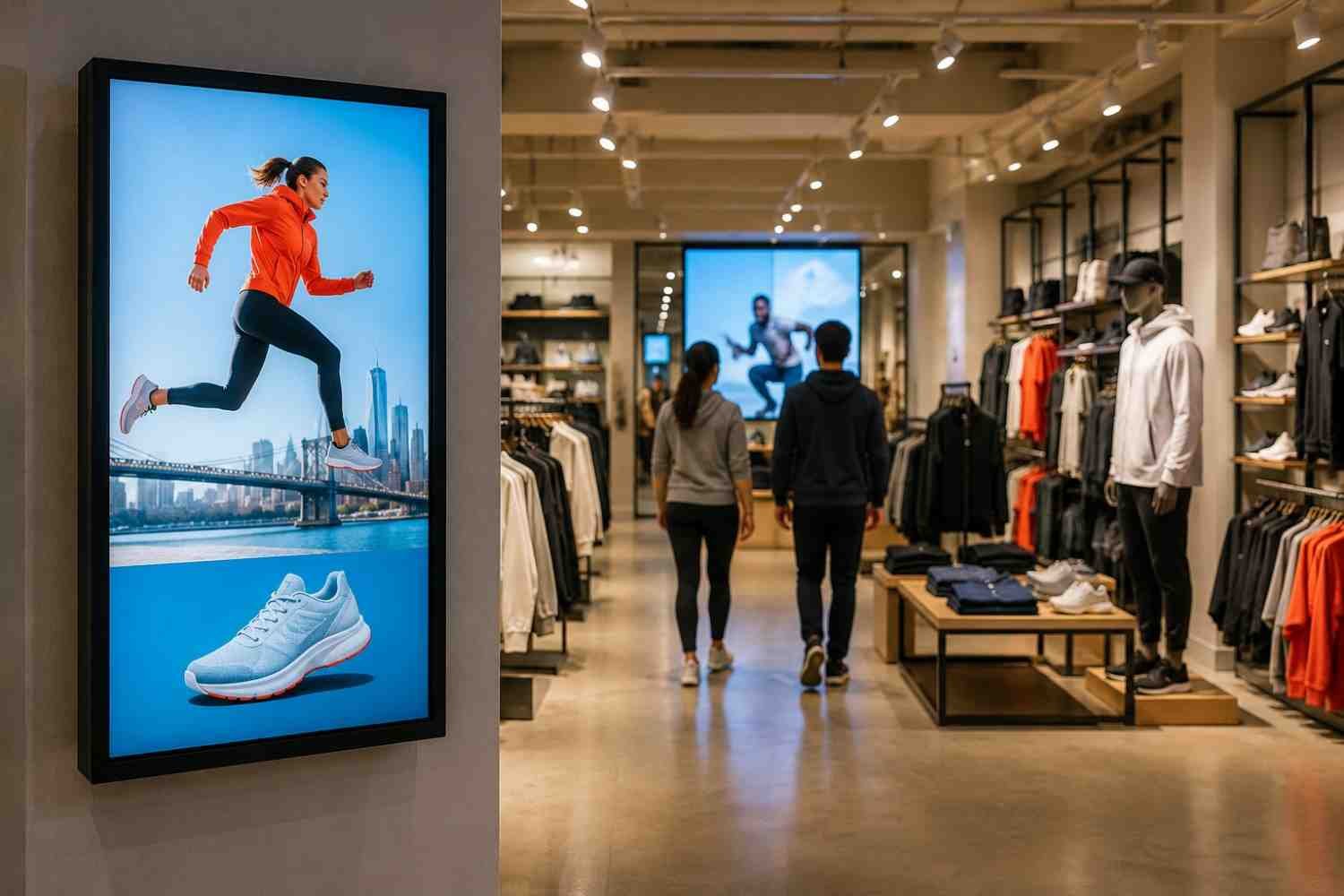
Digital display marketing, explained in simple terms, is the use of visual digital media to promote products, services, or brand messaging through online platforms and physical retail screens. Instead of relying on printed materials, brands use videos, animations, digital signage, interactive displays, and smart advertising screens to engage shoppers in real time.
Retail businesses usually split this strategy into two major areas:
- Online display advertising
- In-store digital signage
Online display advertising includes banner ads, responsive ads, retail media ads, and retargeting campaigns that appear across websites, apps, and e-commerce platforms. In-store digital marketing focuses on physical digital screens placed inside retail spaces to influence buying decisions while customers shop.
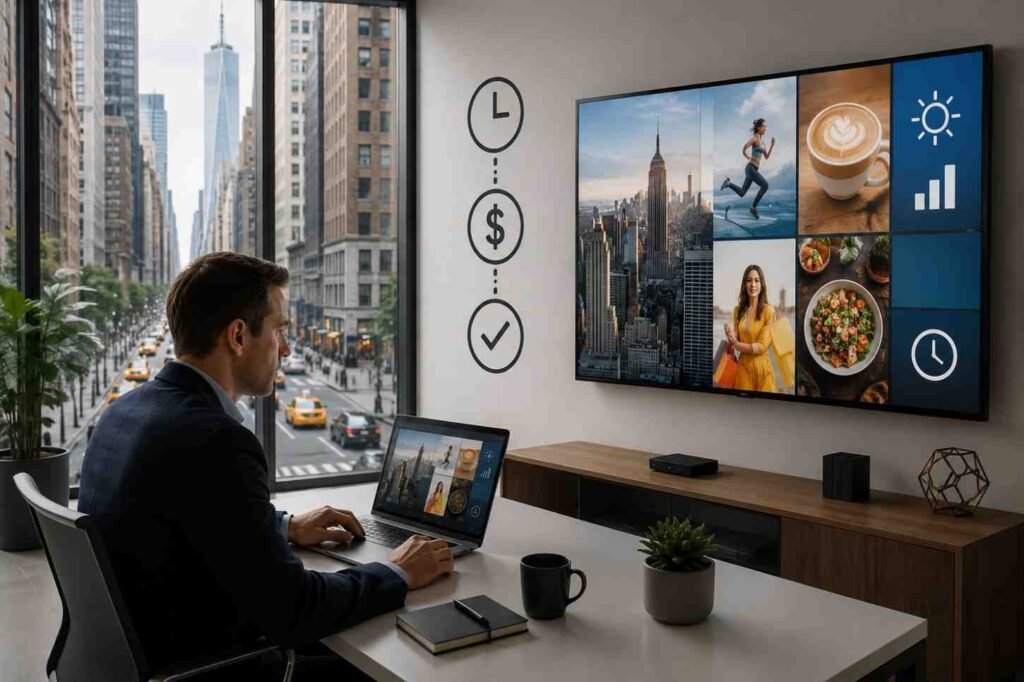
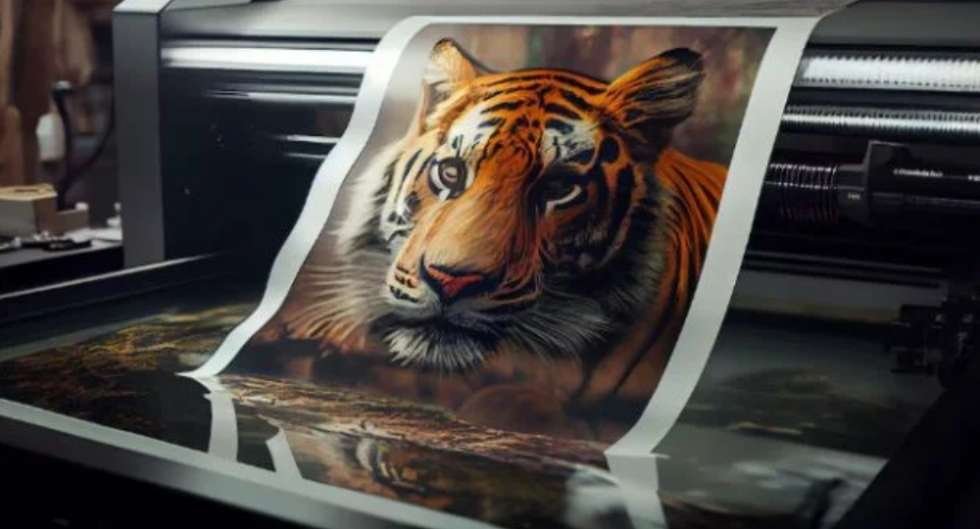
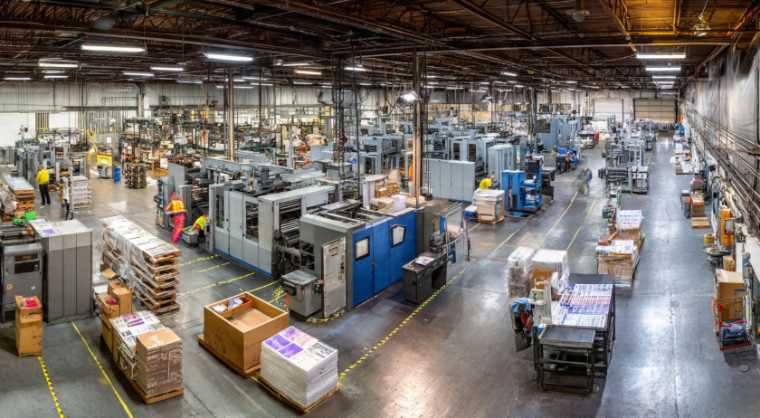
The biggest difference between traditional signage and digital display advertising is flexibility. A printed sign stays the same until someone replaces it. Digital screens can change promotions instantly, react to customer behavior, and display different messages throughout the day.
Why Retail Brands Are Investing Heavily In Digital Displays
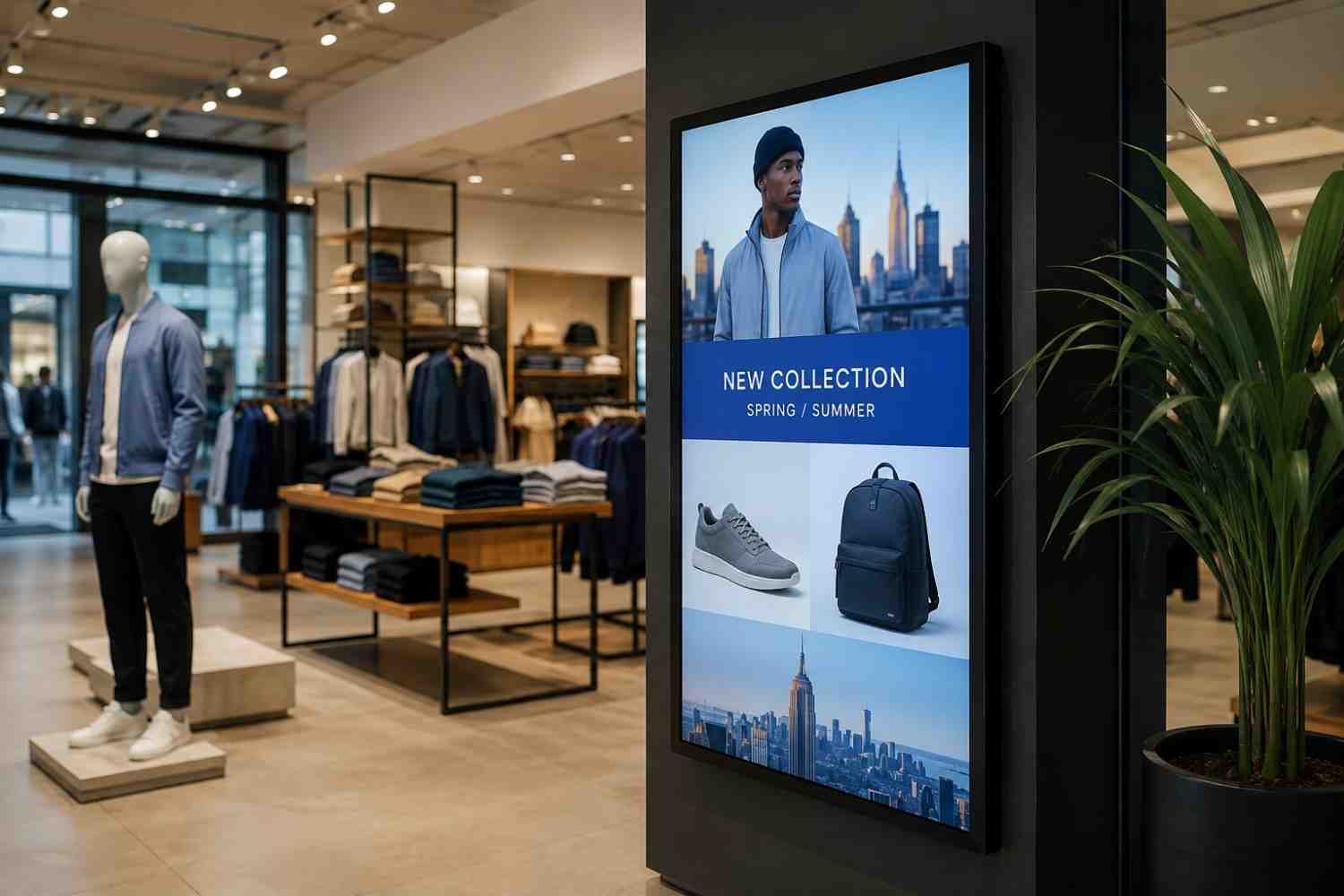
Modern stores are becoming more experience-focused. Retailers want shoppers to stay longer, interact more, and notice products they may not have planned to buy. Digital displays help create that environment naturally.
Think about grocery stores promoting meal bundles through shelf-edge displays or fashion retailers showing styling videos beside clothing sections. Customers absorb information faster when visuals move. Screens create motion, and motion naturally draws attention.
This growing shift is also connected to the future of digital signage, where retailers are blending artificial intelligence, personalization, and real-time analytics into customer-facing displays.
Types Of Digital Displays Used In Retail Marketing
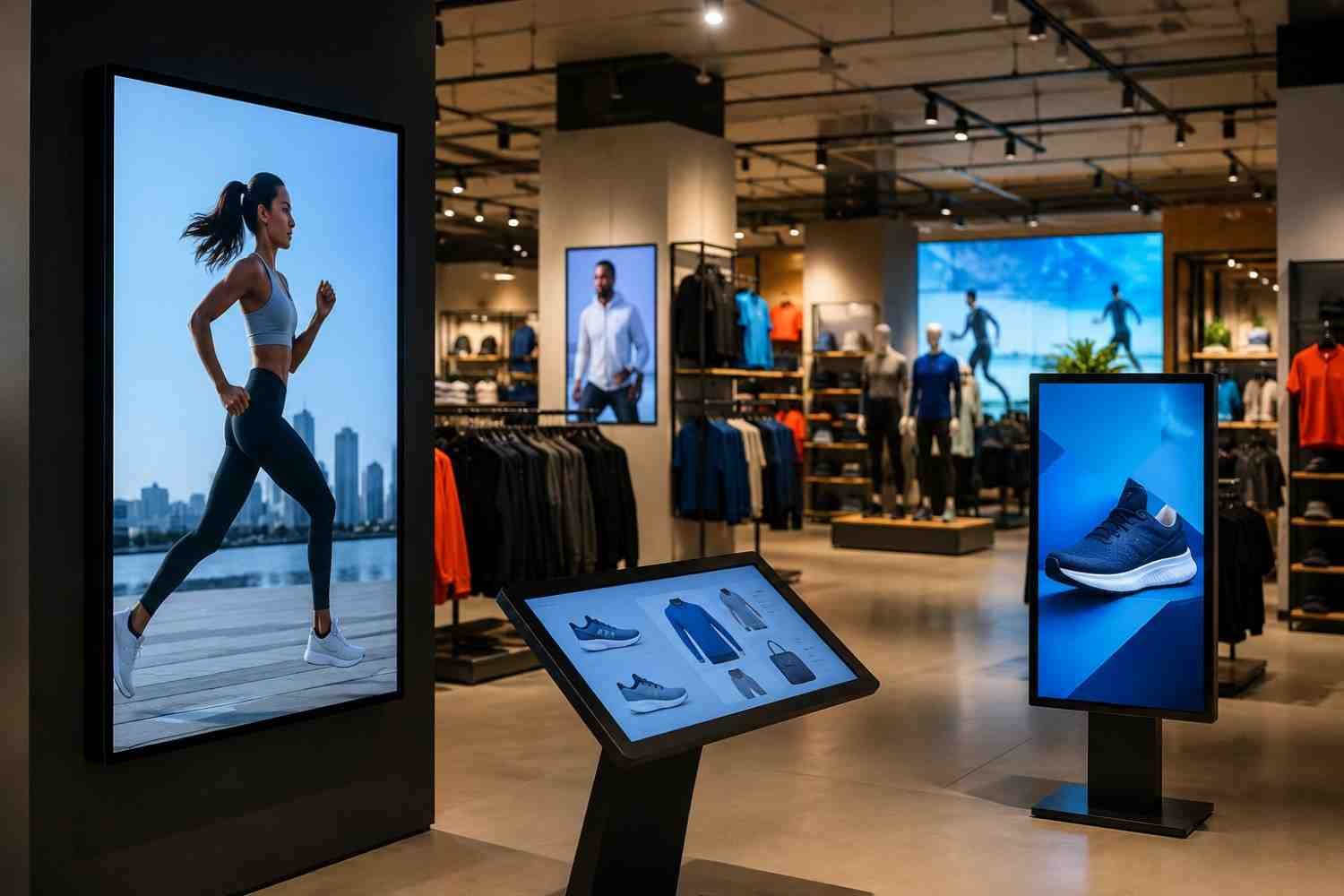
Retail brands use different kinds of digital screens depending on store size, customer behavior, and campaign goals.
Banner And Responsive Display Ads
These are among the most common forms of digital display advertising online. Banner ads appear across websites and apps, while responsive ads automatically adjust to fit different devices and screen sizes.
Responsive formats matter because customers switch constantly between phones, tablets, and desktops during the shopping journey.
Retargeting Ads
Retargeting ads focus on customers who visited a website but left without buying anything. These ads remind shoppers about products they viewed earlier, helping brands stay visible after customers leave the site.
Retailers often use this strategy during seasonal shopping periods when customers compare products across multiple brands before making a decision.
Interactive Kiosks
Interactive kiosks improve the digital customer experience inside stores. Customers can browse inventory, locate products, explore reviews, or even complete purchases directly from the screen.
Many beauty and electronics retailers now rely heavily on touchscreen displays because customers want quick information without waiting for staff assistance.
Video Walls And Digital Standees
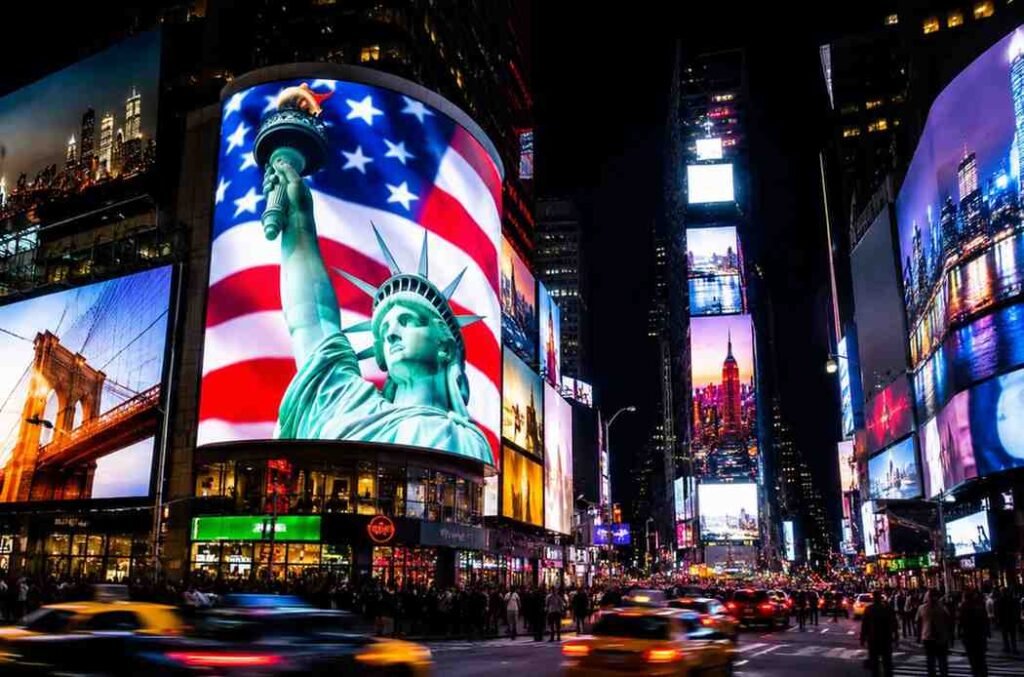
Large video walls create immersive visual experiences in flagship stores, malls, and entertainment-heavy retail environments. Digital standees often promote limited-time offers, new launches, or brand storytelling campaigns near entrances.
These formats work especially well in high-traffic retail areas where brands compete aggressively for customer attention.
Shelf-Edge Displays
Shelf-edge digital displays have quietly become one of the smartest forms of retail marketing displays. These small screens show real-time pricing, promotions, nutritional details, or product alerts directly beside merchandise.
They influence impulse purchases more effectively because customers receive information at the exact moment they consider buying.
Best Practices That Make Digital Display Marketing Work
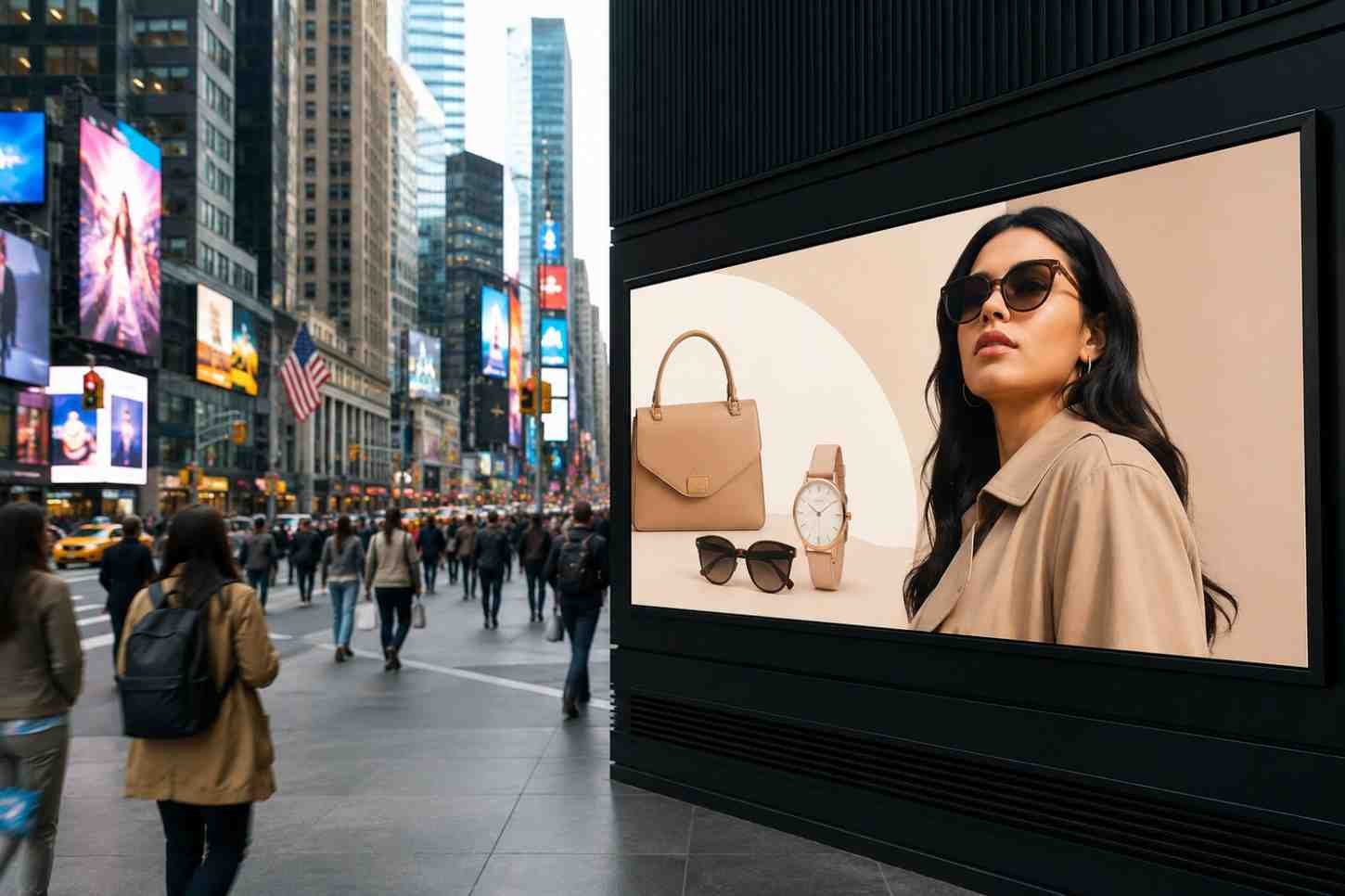
Many retailers install digital screens but fail to use them effectively. Technology alone does not guarantee attention. Content quality and placement matter just as much.
Here are a few practices successful brands consistently follow:
- Keep messaging short and visually clear
- Use high-quality videos and motion graphics
- Place displays at eye level in busy store areas
- Refresh content regularly to avoid banner blindness
- Include clear calls-to-action like QR scans or limited-time offers
- Match online campaigns with in-store promotions for omnichannel consistency
One mistake brands often make is overcrowding screens with text. Customers rarely stop long enough to read large blocks of information while shopping. Short visual storytelling performs far better in retail environments.
FAQs: Digital Display Marketing Explained For Modern Retail Brands
1. What Is Digital Display Marketing In Retail?
Digital display marketing in retail refers to using digital screens, online visual ads, and interactive displays to promote products, services, and brand messaging. It includes both online display advertising and in-store digital signage.
2. Why Are Retailers Replacing Traditional Signage With Digital Displays?
Retailers prefer digital displays because they allow instant content updates, reduce printing costs, improve customer engagement, and create more dynamic shopping experiences compared to static signage.
3. How Do Interactive Digital Displays Improve Customer Experience?
Interactive digital displays help customers browse products, check inventory, compare items, and access information quickly. They reduce friction during shopping and make stores feel more modern and convenient.
4. What Are The Most Common Types Of Digital Retail Displays?
Common types include banner ads, responsive ads, retargeting ads, interactive kiosks, video walls, digital standees, and shelf-edge displays used for promotions and customer engagement.
Wrapping Note
Digital display marketing has moved far beyond flashy screens and rotating advertisements. It now shapes how customers discover products, navigate stores, and interact with brands throughout the shopping journey. Retailers that once depended heavily on printed signage are now building environments that feel more responsive, personalized, and visually engaging. The brands standing out today are usually the ones creating experiences rather than simply displaying promotions.
As customer attention becomes harder to capture, digital displays will continue playing a bigger role in retail marketing. The technology keeps evolving, but the core goal remains simple: create meaningful visual experiences that help customers feel more connected to what they see and buy.