

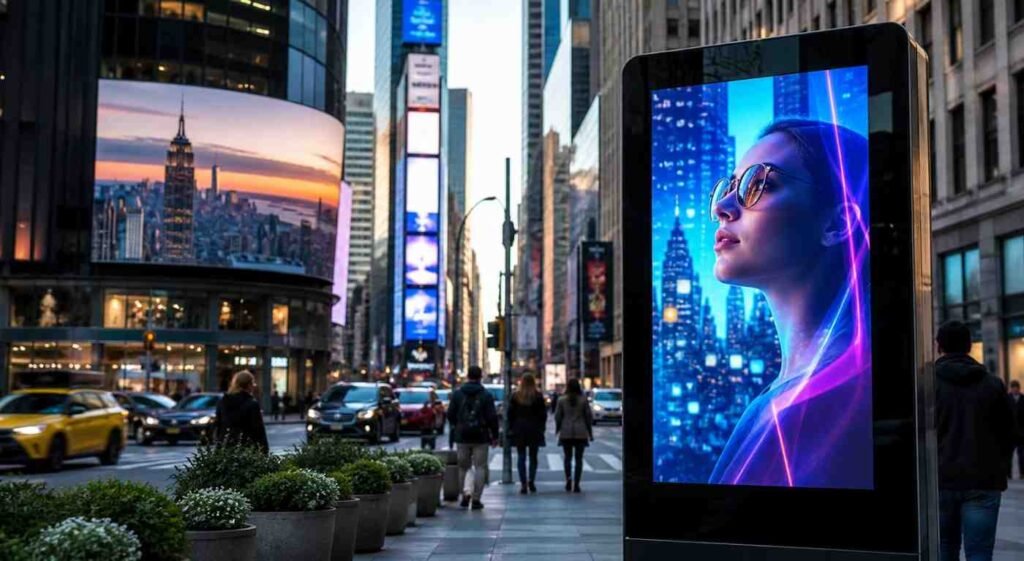
A few years ago, digital signage mostly meant looping ads on a mounted screen. You would walk into a retail store, airport, or restaurant and see the same static promotions repeating every few minutes. It felt transactional. Functional at best. But customer expectations have changed fast, and brands are now realizing that screens are no longer just display tools. They are becoming part of the customer experience itself.
What makes this shift interesting is how naturally people now interact with digital environments. Customers expect personalization, instant updates, touchless interactions, and seamless transitions between physical and digital spaces. That expectation is pushing the future of digital signage toward something much larger than advertising. It is becoming a real-time communication system that shapes how people feel, move, shop, and connect with brands.
Digital Signage Is Becoming Experience Infrastructure
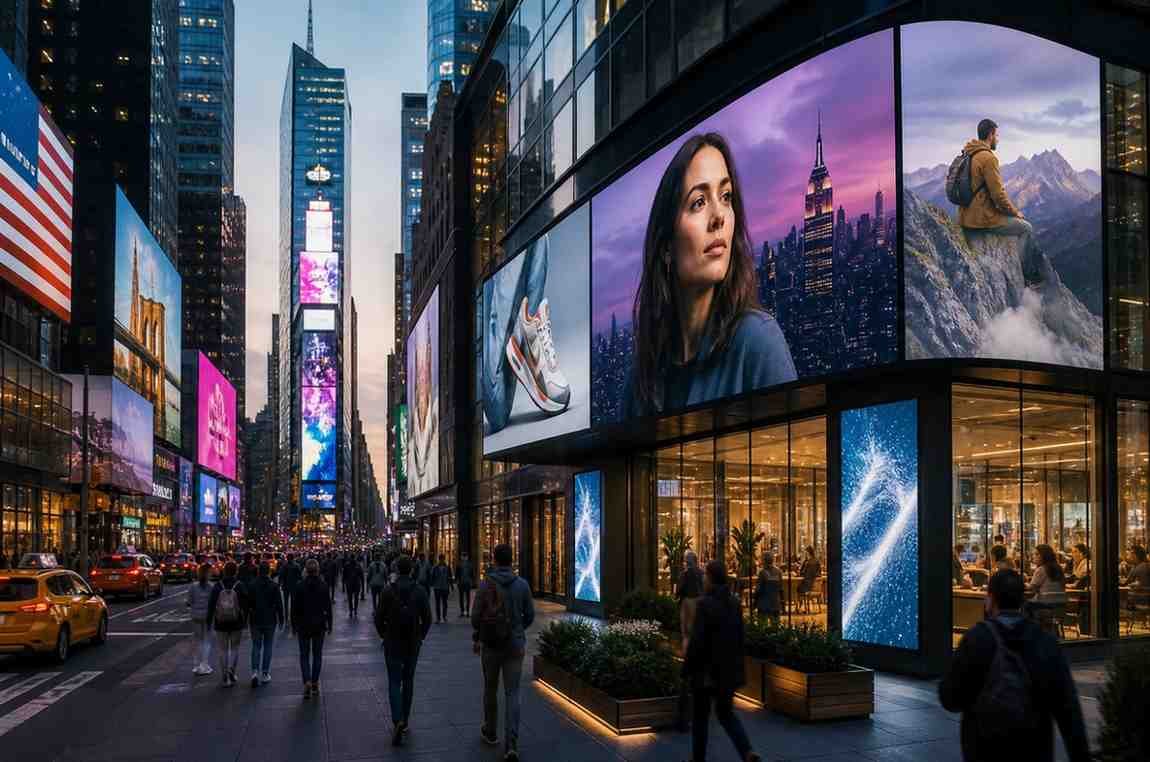
One of the biggest changes happening right now is the move from passive displays to intelligent engagement systems. Businesses are no longer treating digital signage as isolated marketing screens. Instead, they are building connected ecosystems where displays react to customer behavior, live data, and environmental conditions.
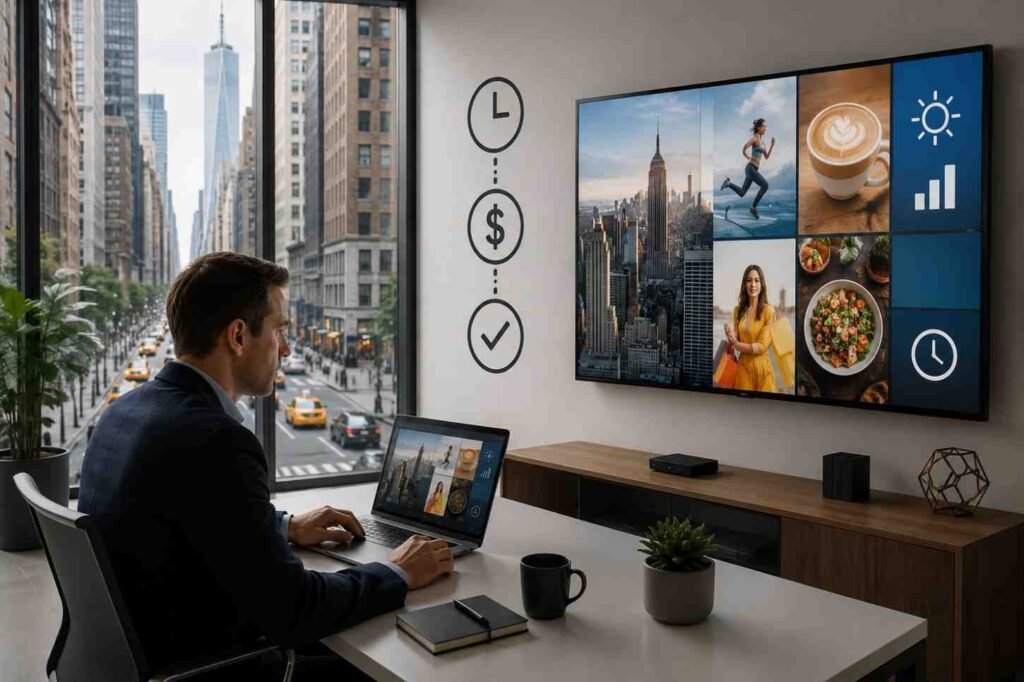
Modern digital signage trends are heavily influenced by artificial intelligence, automation, and customer analytics. Screens can now adapt messaging based on time of day, audience demographics, weather conditions, or purchasing behavior. That level of personalization changes the experience from generic broadcasting to something that feels relevant in the moment.
Retail stores are already using AI digital signage to recommend products based on local demand patterns. Restaurants are adjusting menu boards dynamically depending on inventory or peak ordering hours. Fitness centers are using interactive digital displays to guide members through workouts and class schedules without staff involvement.
The experience feels smoother because the technology is working quietly in the background.
The Rise Of Interactive Customer Experiences
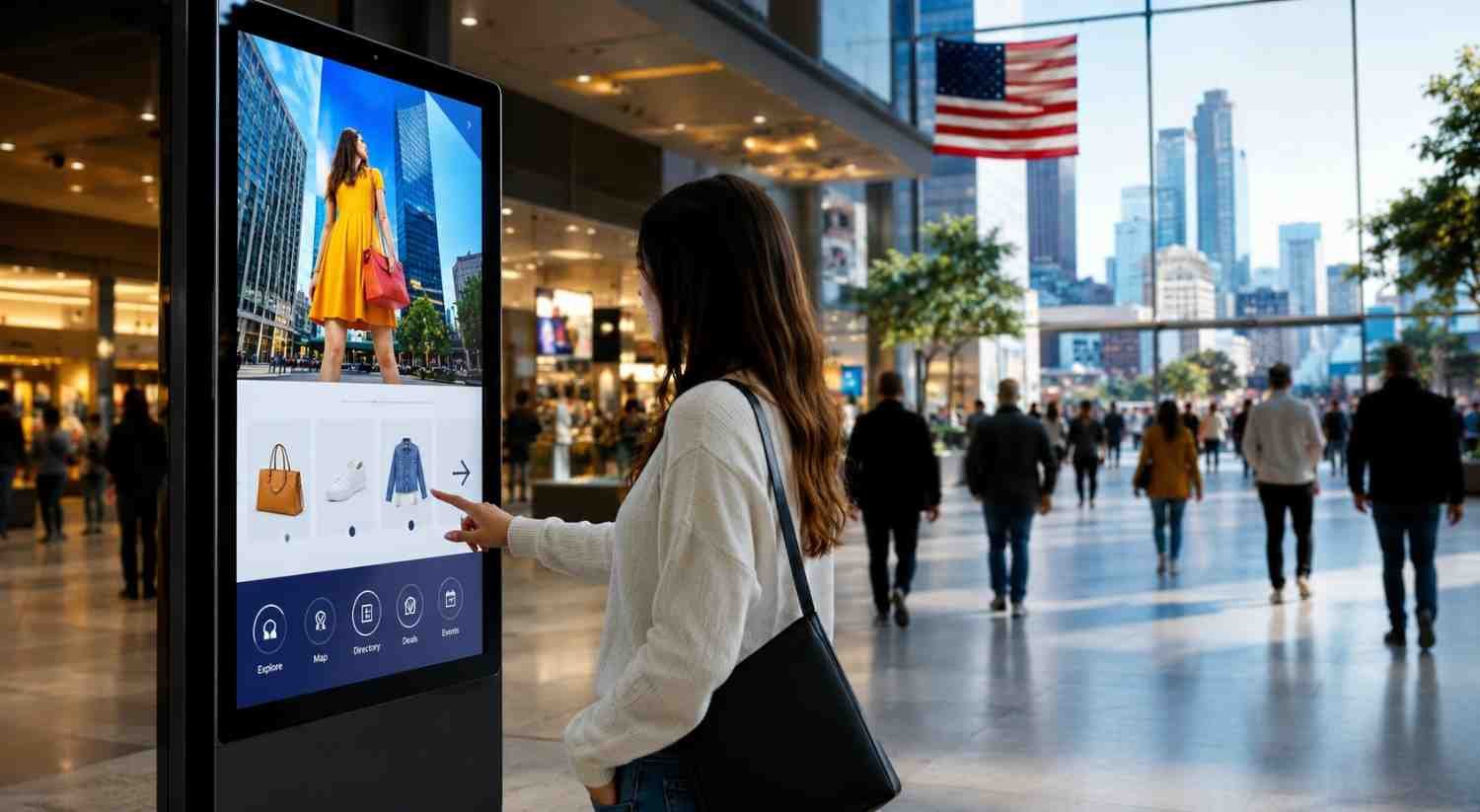
People no longer want to simply look at screens. They expect interaction.
This is where the future of digital signage becomes far more immersive. Touchscreen kiosks, gesture-controlled systems, augmented reality displays, and smart mirrors are creating experiences that feel more engaging and personal. Instead of showing information, brands are inviting customers into the experience.
In fashion retail, interactive mirrors now allow shoppers to preview clothing combinations without physically changing outfits multiple times. Beauty brands are experimenting with AR-powered displays that simulate makeup products directly on a customer’s face. Car dealerships are using LED video walls and virtual customization stations to help buyers explore vehicle features in real time.
These experiences matter because modern customers respond to participation. The more interactive the environment becomes, the more memorable the brand interaction feels.
Some of the most effective smart signage solutions currently include:
- Touchless navigation systems
- Gesture-based product browsing
- AR-powered fitting experiences
- Personalized recommendation displays
- Real-time digital wayfinding systems
This shift is also influencing how brands think about physical locations. Stores, hotels, stadiums, and healthcare facilities are increasingly designed around connected customer journeys rather than static layouts.
Mobile Integration Is Changing Customer Behavior
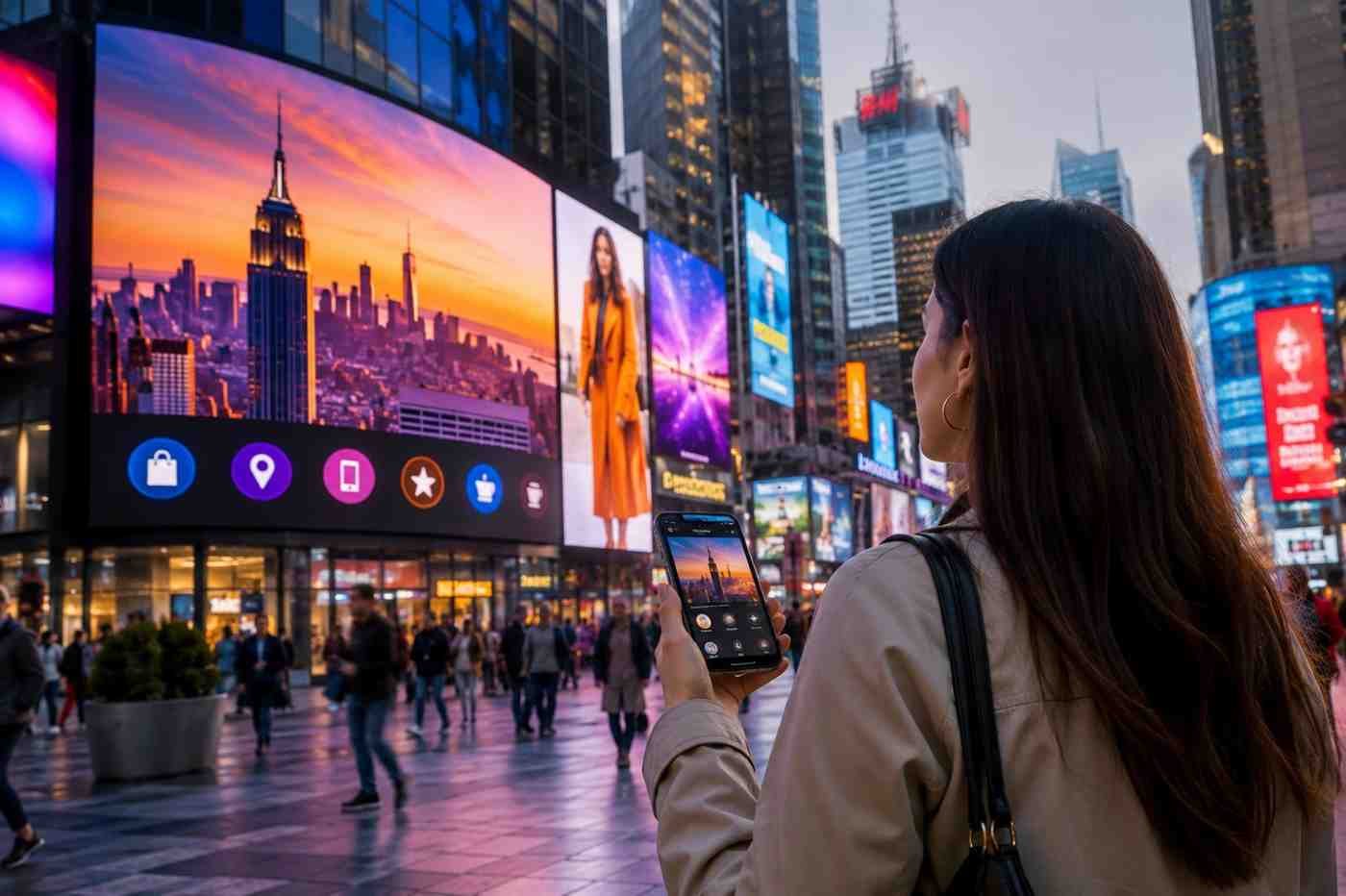
Another major shift in digital display technology is how seamlessly it now connects with personal devices. The screen is no longer the endpoint. It is often the beginning of the interaction.
QR codes, NFC technology, and mobile handoffs allow customers to continue the experience on their phones instantly. A customer might scan a digital advertising screen to save a coupon, join a loyalty program, complete a purchase, or access additional product information.
This creates a much more fluid omnichannel branding experience.
One reason this matters is that attention spans inside physical spaces are short. Customers move quickly. Brands need frictionless transitions that allow interactions to continue after someone walks away from the display. That is exactly why businesses are investing more heavily in connected customer experiences instead of isolated campaigns.
Interestingly, this is also where digital display marketing explained becomes more practical for businesses trying to understand modern engagement strategies. The focus is shifting away from simple visibility and toward continuity between physical and digital touchpoints.
Sustainability Is Becoming Part Of Brand Identity
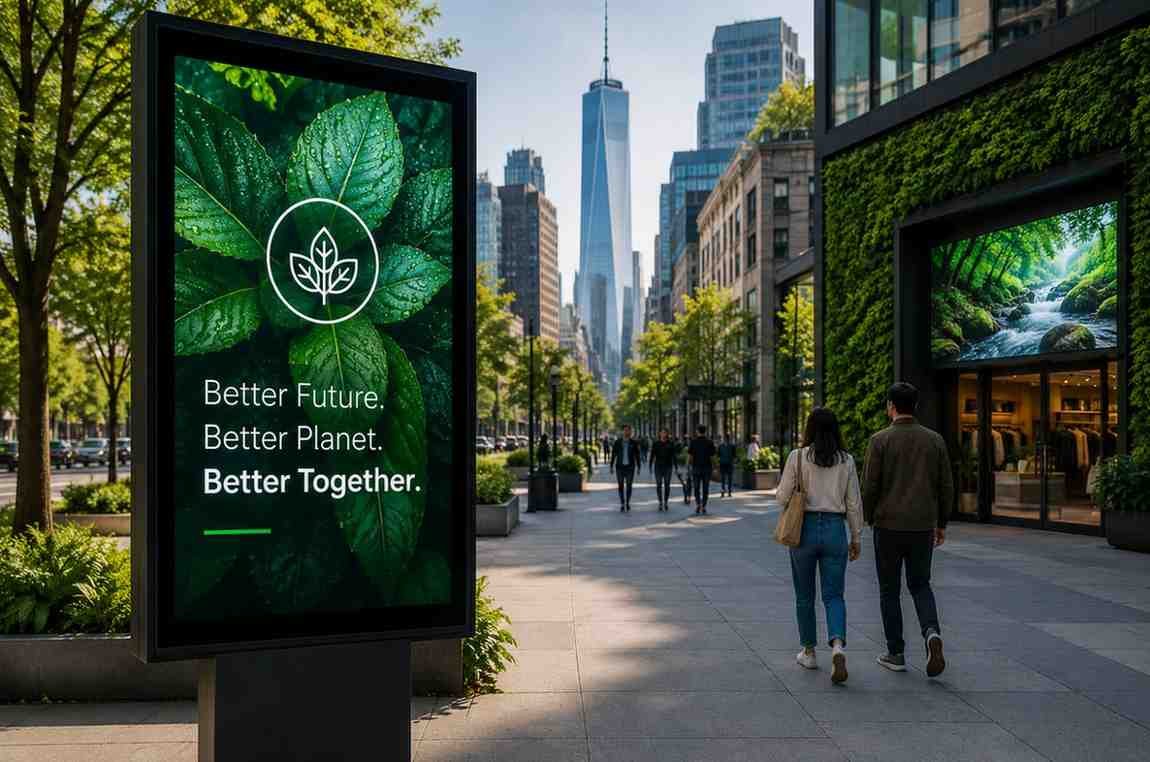
Sustainability is no longer treated as an optional branding message. Customers increasingly pay attention to how businesses operate behind the scenes, including the technology they use.
That is why energy-efficient digital signage trends are gaining momentum across industries.
Customers may not consciously think about the technology itself, but they do notice when a brand feels modern, efficient, and environmentally aware.
FAQs: How The Future Of Digital Signage Is Reshaping Modern Brand Experiences
1. What Is The Future Of Digital Signage?
The future of digital signage is centered around AI-driven personalization, interactive experiences, cloud-based management, and real-time customer engagement. Businesses are using smarter displays to create connected and immersive brand experiences.
2. How Is AI Used In Digital Signage?
AI helps digital signage systems analyze audience behavior, demographics, traffic flow, and environmental conditions. This allows screens to display more relevant and personalized content in real time.
3. Why Is Interactive Digital Signage Becoming Popular?
Interactive digital signage improves customer engagement by allowing users to interact directly with displays through touchscreens, gestures, QR codes, augmented reality, and mobile integration.
4. Which Industries Benefit The Most From Digital Signage?
Retail, healthcare, hospitality, transportation, education, restaurants, and entertainment industries benefit significantly from modern signage systems because they rely heavily on real-time communication and customer engagement.
Wrapping Note
The future of digital signage is not really about screens anymore. It is about responsiveness, personalization, and how brands communicate inside physical environments. Customers now expect spaces to feel intelligent, connected, and adaptable. Businesses that understand this shift are building experiences that feel less transactional and more human.
As technology becomes more integrated into everyday environments, digital signage will continue moving closer to real-time experience design. The brands that succeed will be the ones using it to simplify interactions, strengthen trust, and create moments people actually remember.