

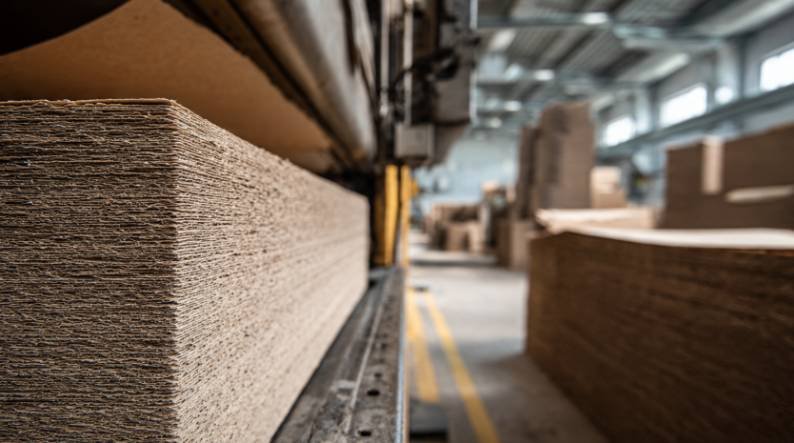

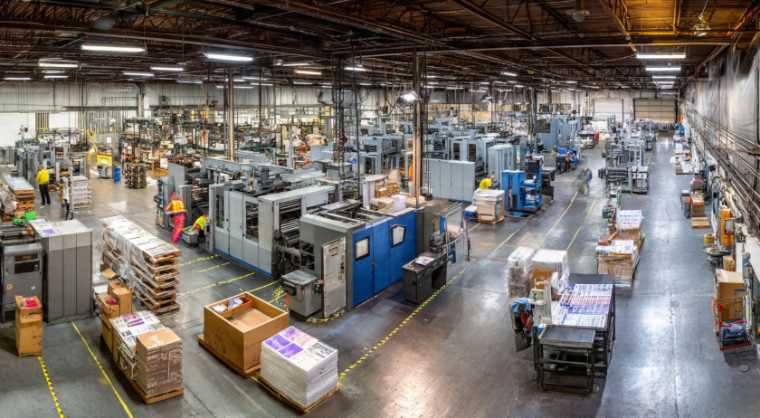
As sustainability becomes a priority for businesses worldwide, printing practices are also evolving. One of the most effective ways to reduce environmental impact is by using recycled paper. Companies are increasingly switching to eco-friendly materials to align with environmental goals while maintaining high-quality output.
If you’re exploring the benefits of recycled paper printing, this guide will explain how it works, why it matters, and how it can positively impact both the environment and your business.
What Is Recycled Paper Printing?
Recycled paper printing involves using paper made from reused materials instead of virgin wood pulp. This paper is produced by collecting used paper products, processing them, and converting them into new sheets suitable for printing.
Modern recycled paper is designed to meet industry standards, offering comparable quality, brightness, and durability to traditional paper.
Why Recycled Paper Matters Today
The demand for paper continues to grow, leading to deforestation, increased energy consumption, and environmental degradation. By choosing recycled paper, businesses can significantly reduce their ecological footprint.
Recycled paper helps conserve natural resources, minimize waste, and reduce pollution. It also supports circular economy practices, where materials are reused instead of discarded.
Key Environmental Benefits of Recycled Paper Printing
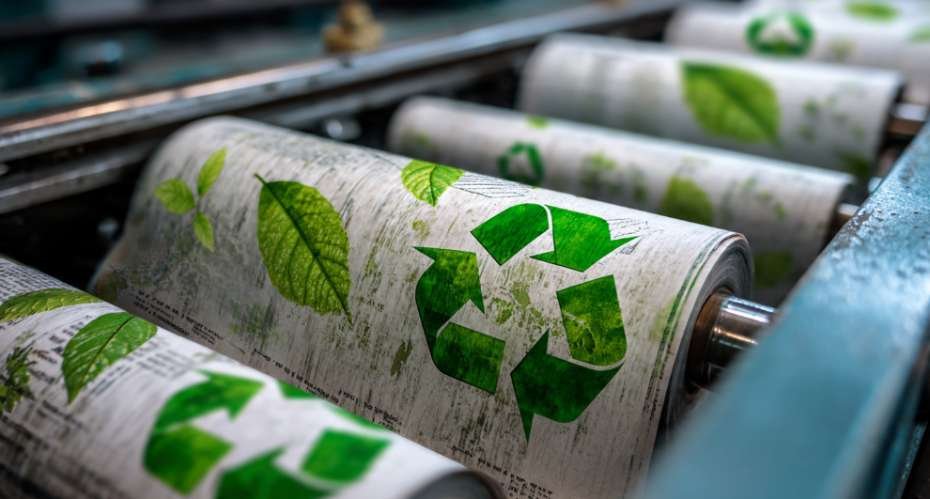
One of the most compelling reasons to use recycled paper is its positive impact on the environment. It helps reduce the strain on natural resources while lowering pollution levels.
Major Environmental Advantages
- Saves trees by reducing the need for virgin wood pulp, with 100% recycled paper eliminating the need for new tree harvesting
- Reduces energy consumption by up to 60% compared to producing paper from raw materials
- Uses significantly less water, helping conserve one of the planet’s most valuable resources
- Decreases greenhouse gas emissions, contributing to climate change mitigation
- Reduces landfill waste by reusing paper that would otherwise be discarded
These benefits make recycled paper a key component of sustainable business practices.
Reduction in Pollution Levels
Recycled paper production generates less pollution compared to traditional paper manufacturing. It produces approximately 74% less air pollution and around 35% less water pollution.
By lowering emissions and chemical waste, recycled paper helps protect ecosystems and improve overall environmental health. This is particularly important for industries with high printing demands.
Conservation of Resources
Producing paper from recycled materials requires fewer raw resources. For every ton of recycled paper used, businesses can save approximately 17 trees, reduce water usage by up to 35%, and significantly cut energy consumption.
This conservation effort plays a crucial role in preserving forests and maintaining ecological balance.
Business Benefits of Recycled Paper Printing
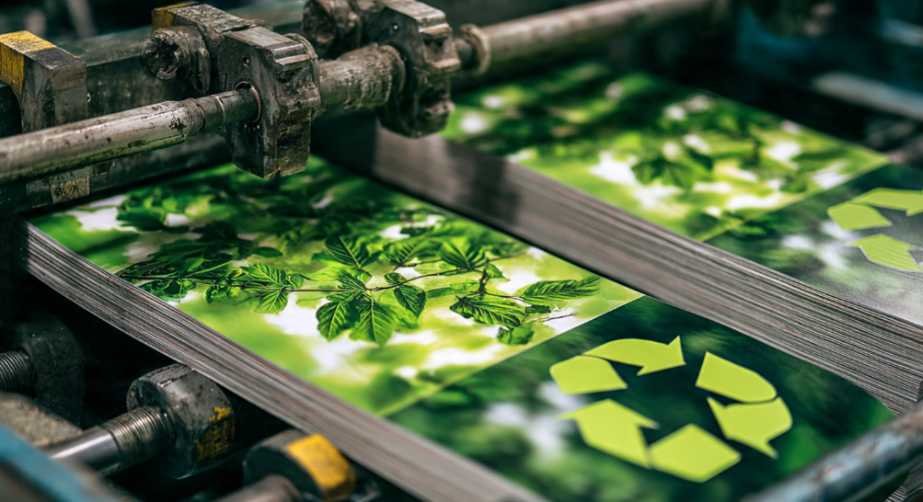
Beyond environmental advantages, recycled paper also offers practical benefits for businesses. It supports cost efficiency, brand reputation, and operational sustainability.
Key Business Advantages
- Enhances brand image by demonstrating a commitment to sustainability and environmental responsibility
- Meets customer expectations as more consumers prefer eco-friendly businesses
- Supports corporate social responsibility (CSR) initiatives
- Reduces long-term costs associated with waste management and resource consumption
- Provides high-quality printing results suitable for professional use
Using recycled paper can help businesses stand out in competitive markets while contributing to a greener future.
Quality of Recycled Paper
A common misconception is that recycled paper is inferior in quality. However, modern advancements have significantly improved its performance.
Today’s recycled paper offers excellent brightness, smoothness, and durability. It is suitable for a wide range of applications, including brochures, reports, and marketing materials. Most printing methods work seamlessly with recycled paper, making it a reliable choice for businesses.
Cost-Effectiveness of Recycled Paper
In many cases, recycled paper can be cost-effective. While prices may vary depending on quality and availability, the reduced resource requirements often lower production costs.
Additionally, businesses can save money by reducing waste disposal expenses and optimizing resource usage. Over time, these savings can contribute to improved financial performance.
Common Applications of Recycled Paper Printing
Recycled paper is versatile and can be used for various printing needs. Businesses across industries rely on it for both internal and external communication.
It is commonly used for office documents, marketing materials, packaging, and promotional items. From business cards to catalogs, recycled paper can meet diverse printing requirements without compromising quality.
Are There Any Disadvantages?
While recycled paper offers many benefits, it also has some limitations. In certain cases, it may be slightly more expensive or less readily available than standard paper.
Some types of recycled paper may have a slightly different texture or color, which may not be suitable for all branding needs. However, these differences are often minimal and do not affect overall performance.
How Businesses Can Transition to Recycled Paper
Switching to recycled paper is a simple yet impactful step toward sustainability. Businesses can start by evaluating their current printing practices and identifying areas where recycled paper can be used.
Working with printing providers that offer eco-friendly options ensures a smooth transition. Companies can also educate employees and stakeholders about the benefits of sustainable printing.
Frequently Asked Questions
Is recycled paper good for printing?
Yes, modern recycled paper offers high-quality results comparable to virgin paper. It is suitable for most printing applications, including professional documents and marketing materials.
What are the advantages of recycled paper?
Recycled paper reduces environmental impact, saves resources, lowers pollution, and supports sustainability while maintaining good print quality.
What are the disadvantages of recycling paper?
Some disadvantages include potential cost variations, limited availability in certain regions, and slight differences in texture or brightness compared to virgin paper.
What are 5 advantages of recycling?
Recycling helps conserve natural resources, reduces waste, lowers energy consumption, decreases pollution, and supports sustainable economic practices.
Why Recycled Paper Printing Is the Future of Sustainable Business
Understanding the benefits of recycled paper printing allows businesses to make informed decisions that align with environmental and economic goals. It is a practical solution for reducing environmental impact while maintaining professional standards.
As companies continue to adopt sustainable practices, integrating recycled paper into printing strategies becomes essential. When combined with efficient processes like how printing services work for businesses, organizations can achieve both operational efficiency and environmental responsibility.
Recycled paper printing is more than just an eco-friendly choice—it is a strategic investment in the future of your business and the planet.