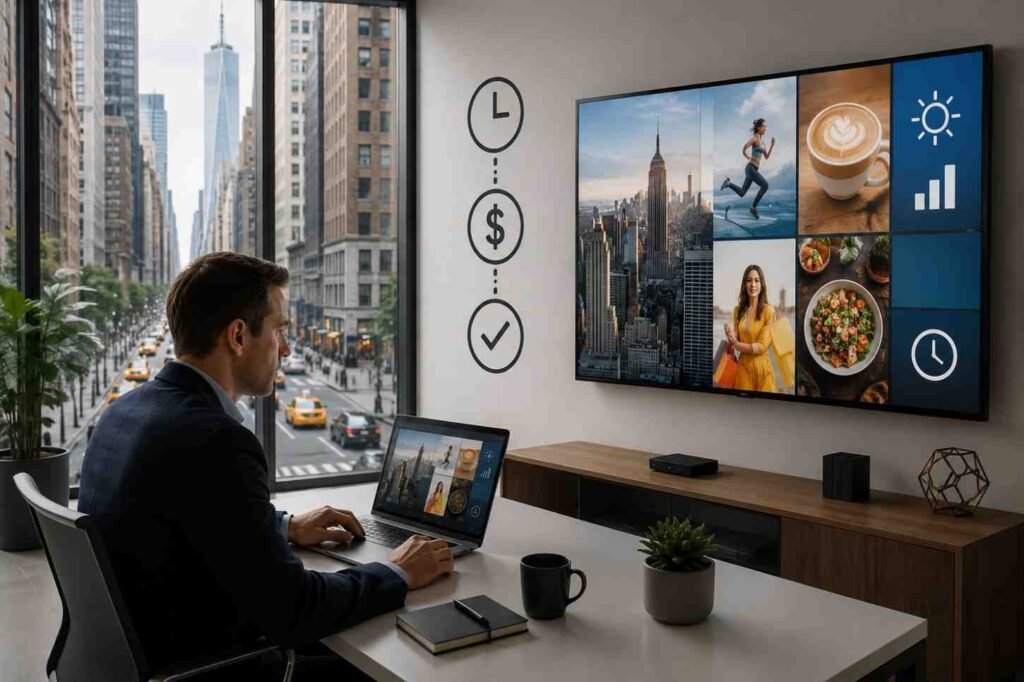



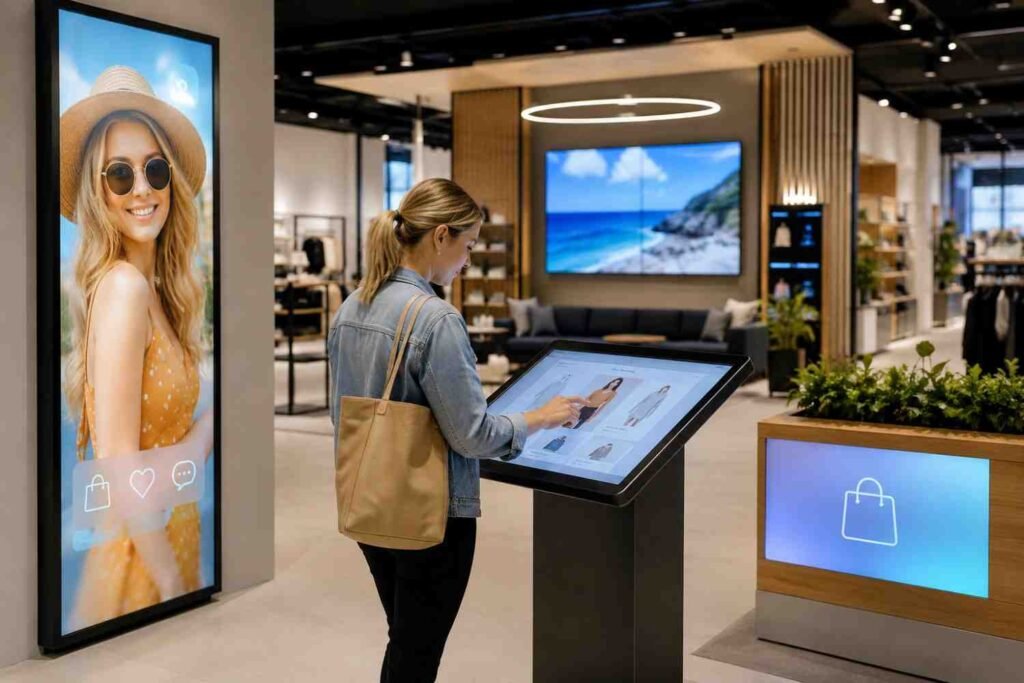
Walk into any modern retail space or office lobby, and you’ll notice something subtle. The places that feel easy to navigate, engaging, and even enjoyable aren’t just well-designed; they’re intentionally guided. That guidance often comes from signage, but not the old static kind most people think of.
Customer experience signage has quietly evolved. It’s no longer just about showing directions or prices. It’s about shaping how people move, what they notice, and how they interact with your space. When done right, it doesn’t feel like signage at all; it feels like part of the experience.
What Makes Signage Actually Engaging
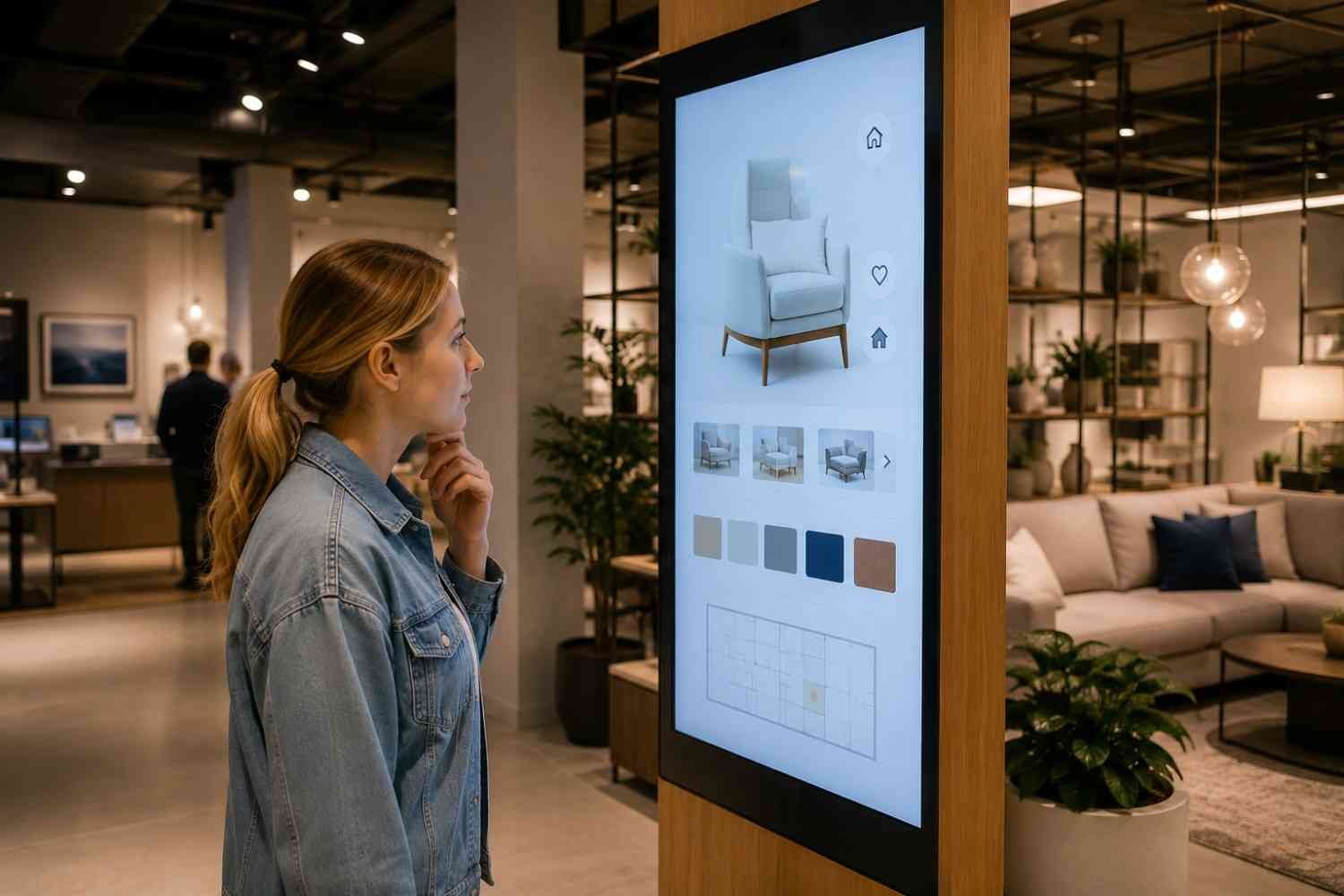
Most signage fails because it talks at people instead of interacting with them.
Traditional signs are passive. They display information and hope someone pays attention. Modern signage, on the other hand, responds, adapts, and participates in the customer journey. It bridges physical and digital interactions in a way that feels natural.
The difference is simple: static vs responsive. And once you see that shift, everything else starts to make sense.
Customer Experience Signage Ideas That Go Beyond the Basics
Let’s move past generic ideas and look at what actually works in real environments.
Interactive Product-Based Displays
One of the most effective ways to engage customers is to connect physical interaction with digital feedback.
“Lift-and-learn” setups do exactly that. When a customer picks up a product, a nearby screen instantly displays relevant information, features, reviews, or even short demos. This removes friction. Instead of searching, the information comes to them.
This works especially well in environments where customers need confidence before making a decision.
Real-Time Data That Influences Decisions
People trust what others are doing. That’s why dynamic, crowd-driven data works so well.
Imagine signage that shows:
- “Chosen by 70% of visitors today.”
- “Trending this week.”
- “Low stock popular item”
These subtle cues influence behavior without feeling pushy. They guide decisions naturally because they rely on social proof rather than direct persuasion.
Context-Aware Signage That Adapts
Static messaging can feel outdated quickly. Smart signage adapts.
For example:
- Promoting cold drinks on hot days
- Highlighting umbrellas when it’s raining
- Switching to family-focused messaging during peak hours
This kind of responsiveness makes the space feel aware of its environment. It’s not just displaying content, it’s reacting to real conditions.
Turning Passive Spaces Into Interactive Moments
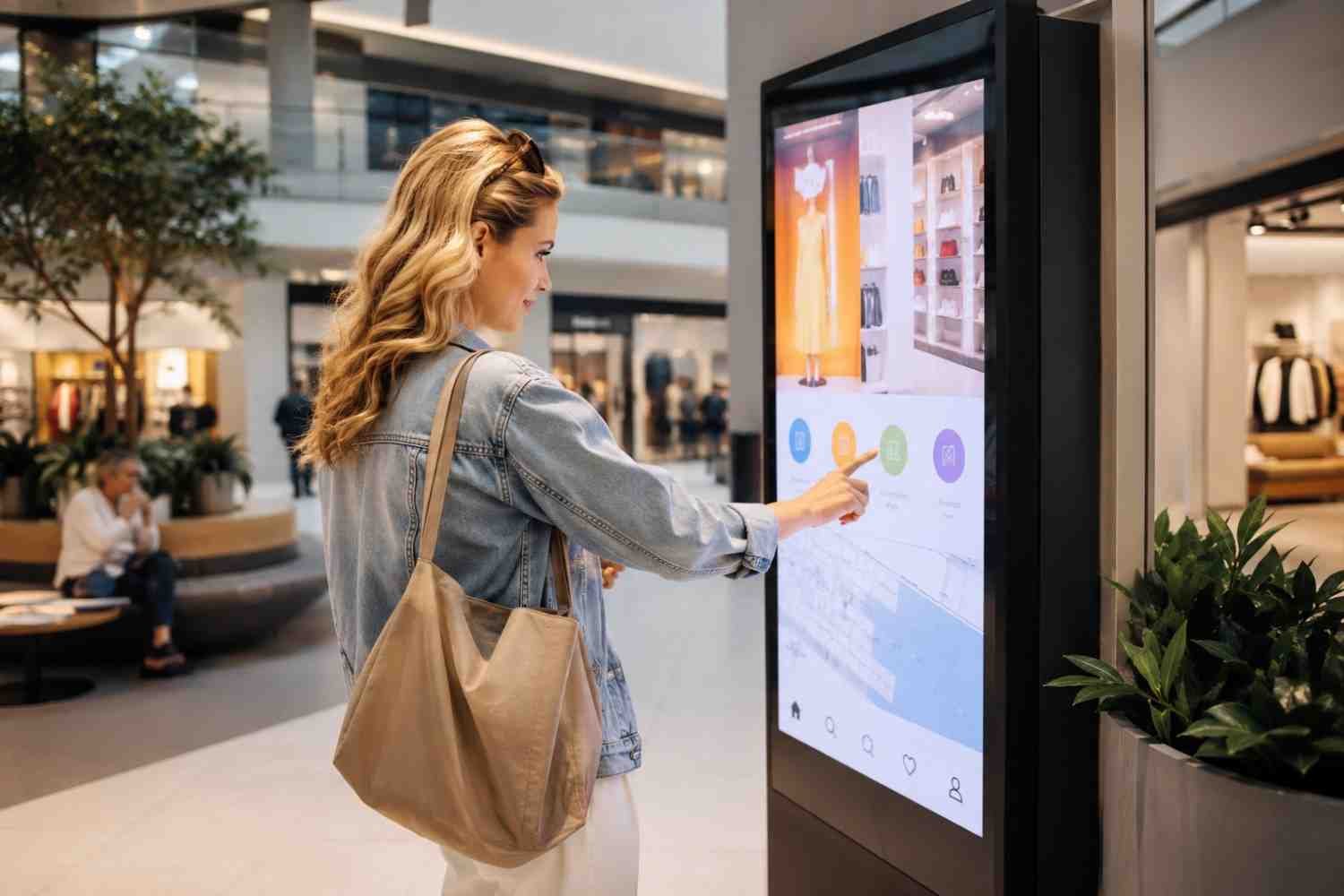
Some of the best opportunities for engagement are in places people usually ignore.
Waiting areas, checkout lines, and entry zones often feel like dead space. But with the right signage, they can become part of the experience.
Screens that show light entertainment, useful tips, or even queue updates can change how time feels. When people are occupied, waiting doesn’t feel as long. That alone improves perception.
Another underrated approach is humanizing the space. Displaying short team introductions or behind-the-scenes clips builds familiarity. It shifts the experience from transactional to personal.
Smart Wayfinding That Actually Helps
Navigation is one of the most overlooked parts of customer experience.
Most places rely on static maps that people barely understand. Interactive wayfinding changes that. Instead of forcing customers to interpret directions, it guides them step by step.
Advanced setups can even send directions directly to a phone or allow voice-based navigation. This reduces confusion and helps people move confidently through a space.
Blending Physical and Digital Actions
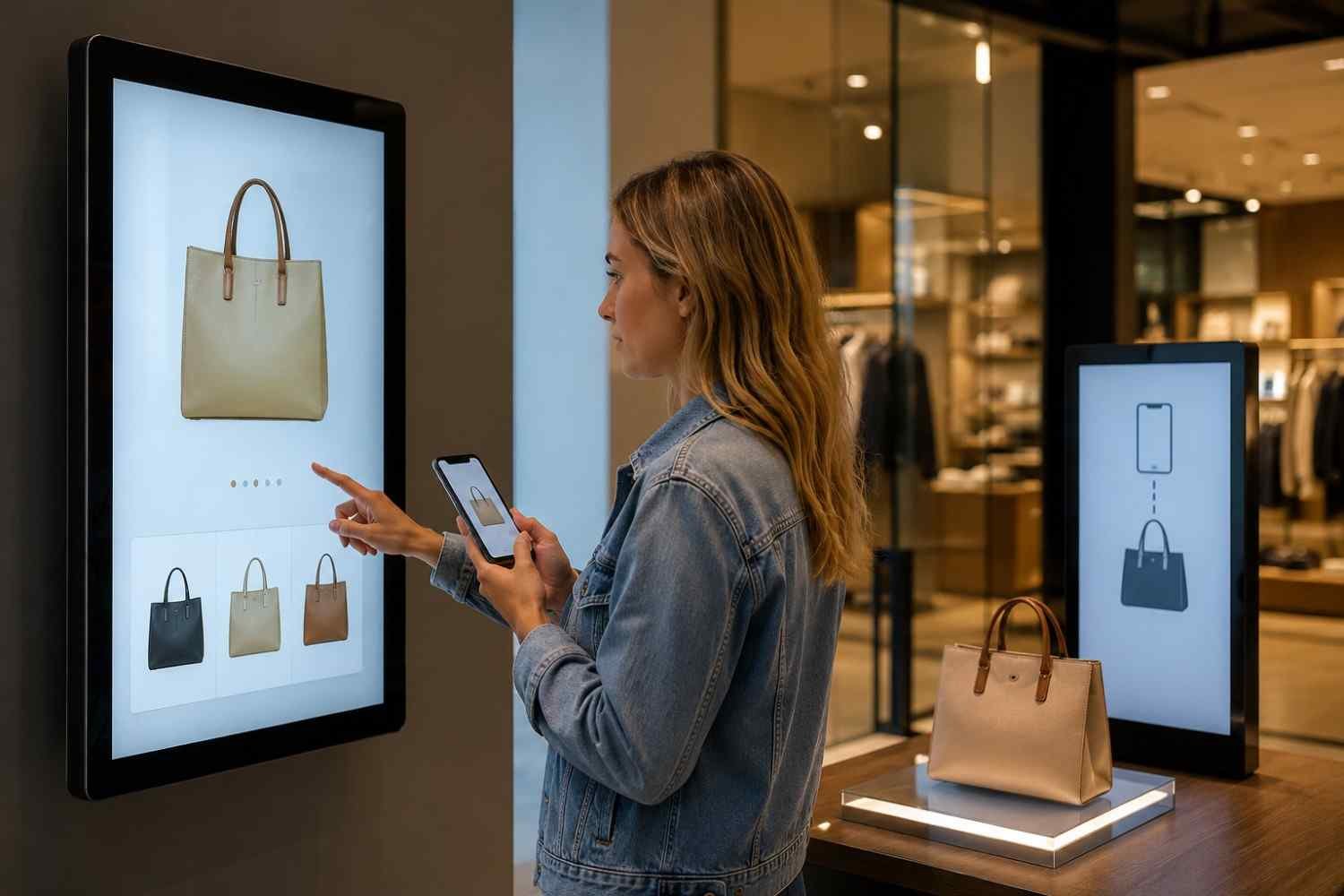
Modern signage works best when it connects physical presence with digital action.
QR and NFC tap stations are a simple but powerful example. Instead of asking customers to search for links or manually follow pages, they can:
- Scan to leave a review
- Tap to follow a brand
- Access offers instantly
This removes friction and increases participation because the action is immediate.
Designing for Behavior, Not Just Visibility
One of the biggest mistakes is assuming signage works only at eye level.
In reality, people are often distracted, especially by their phones. That’s why floor graphics and unexpected placements can be surprisingly effective.
Directional decals, subtle arrows, or even playful messaging on the ground can guide movement without demanding attention.
Another powerful idea is creating a visual moment people want to capture. Unique signage elements like bold typography or creative backdrops naturally encourage sharing. When people take photos, they turn into organic promoters of your space.
Where Most Businesses Get It Wrong
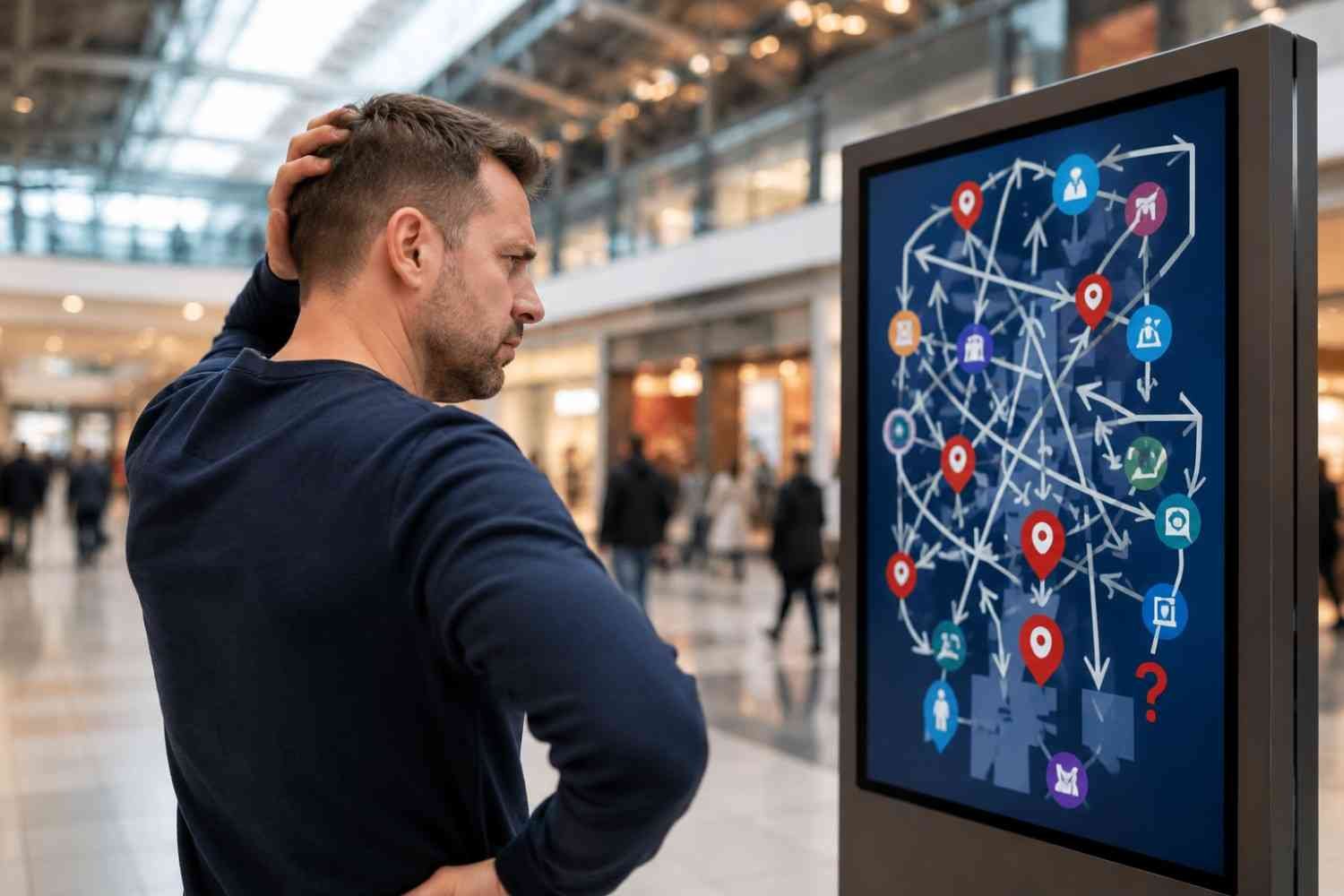
The issue isn’t lack of effort, it’s lack of intent.
Many businesses install screens or signs without thinking about the experience they’re creating. The result is clutter instead of clarity.
Effective signage isn’t about adding more. It’s about placing the right message in the right moment.
This is exactly where the future of digital signage is heading: less noise, more relevance, and a stronger connection between environment and behavior.
One Simple Framework That Actually Works
If you want signage to improve customer experience, think in terms of flow:
- What does the customer see first?
- What do they need to know next?
- Where might they hesitate?
- How can signage remove that friction?
When you design around these questions, signage stops being decoration and starts becoming guidance.
FAQs: Smart Customer Experience Signage Ideas That Actually Engage People
1. What is customer experience signage?
It refers to signage designed to improve how customers interact with a space, focusing on engagement, navigation, and overall experience rather than just information.
2. How can signage improve customer engagement?
By making interactions more dynamic using real-time data, interactivity, and personalized content that responds to user behavior.
3. What are the best types of interactive signage?
Lift-and-learn displays, touchscreen kiosks, QR/NFC stations, and adaptive digital screens are among the most effective.
4. Where should signage be placed for maximum impact?
Key areas include entrances, waiting zones, checkout points, and transitional spaces where customers might need guidance or engagement.
Final Thoughts
Customer experience signage works best when it feels invisible. Not because it isn’t there, but because it blends seamlessly into how people move and interact. When signage responds to behavior instead of interrupting it, the entire space feels smoother and more intuitive.
And that’s really the goal. Not louder screens or bigger displays, but smarter interactions that guide without forcing attention. Once you get that right, everything else starts to fall into place.