


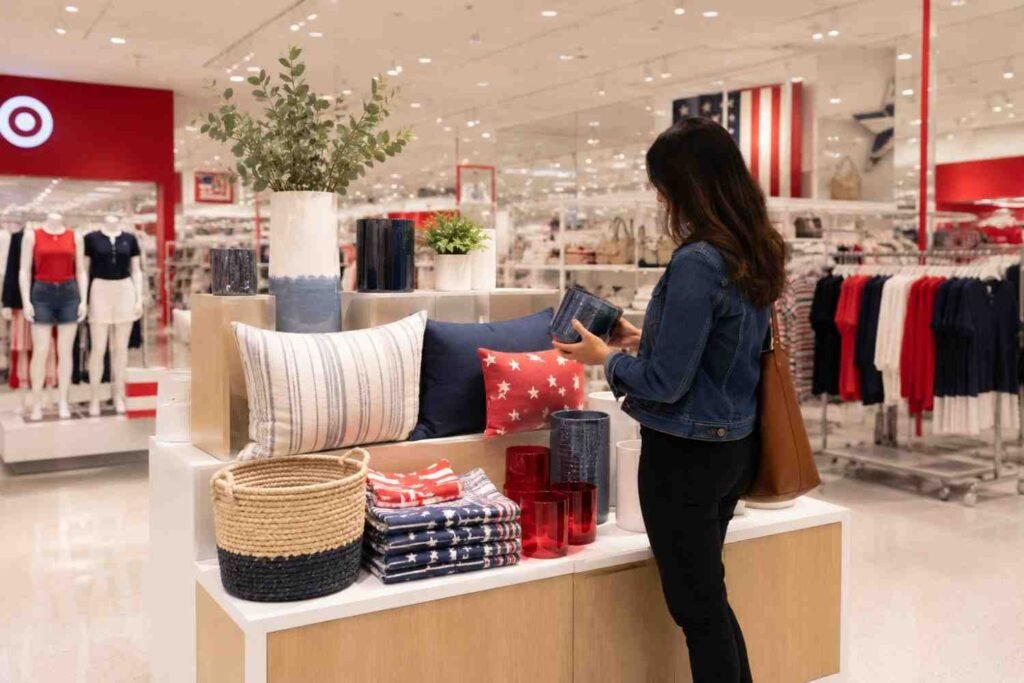
Walk into any busy retail store, and one thing becomes obvious pretty quickly. People rarely buy products based on logic alone. Most decisions happen in seconds. A shopper notices a display, pauses for a moment, picks something up, and suddenly a purchase happens that was never planned before entering the store. That shift from casual browsing to buying is exactly where strong retail displays make their impact.
Retailers have spent years trying to understand what keeps customers engaged inside physical stores. Discounts help, but attention matters more. Modern shoppers are overloaded with choices, have shorter attention spans, and endless digital distractions. That is why retail display engagement strategies have become less about decoration and more about psychology, movement, interaction, and emotional response. Stores that understand this are creating environments that quietly guide buying behavior without making customers feel pressured.
Why Retail Displays Influence Buying Behavior So Strongly
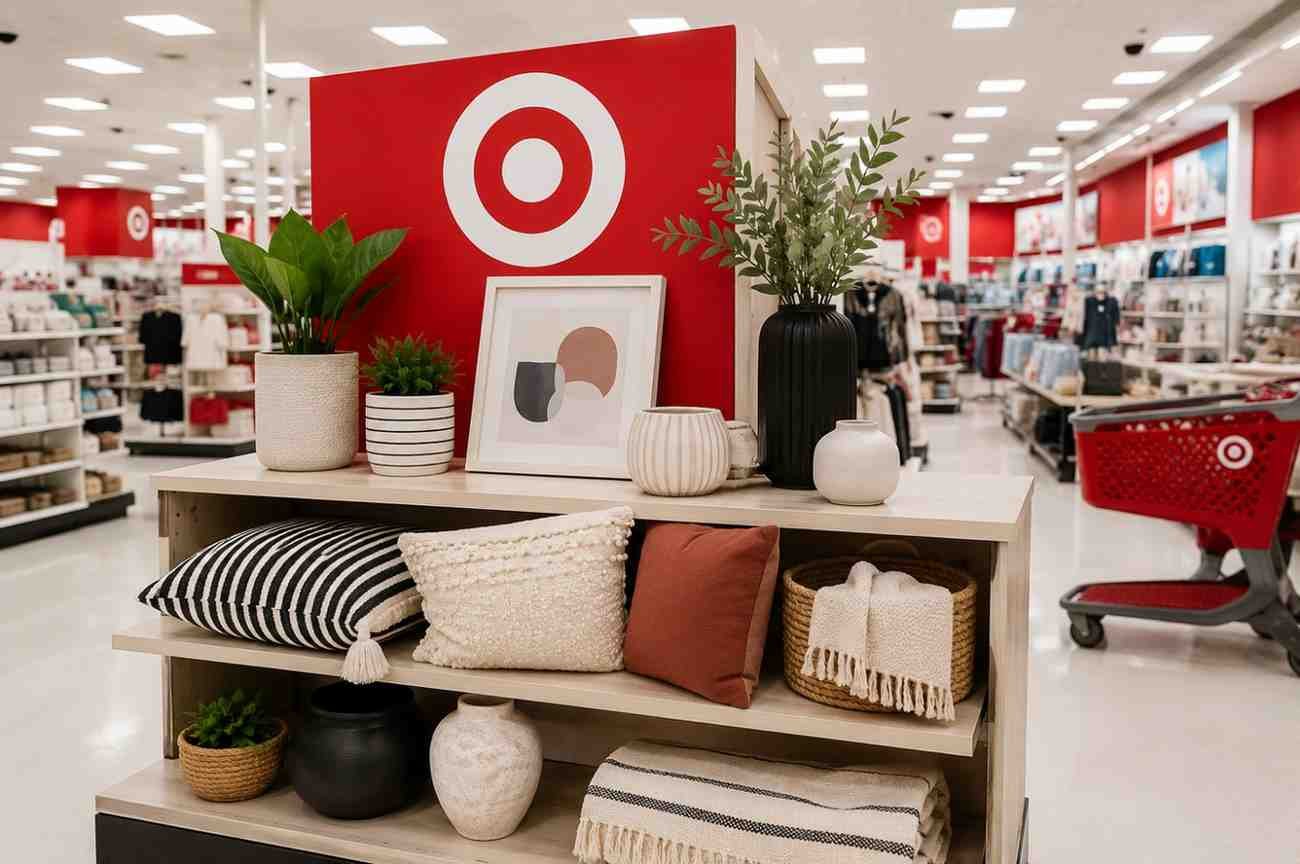
Most buying decisions inside stores happen visually. Customers react to placement, lighting, color, accessibility, and even how easy a product feels to grab. A cluttered display creates confusion. A clean and intentional display creates confidence.
One major reason retail displays work so well is that they reduce decision fatigue. When products are grouped clearly and displayed with purpose, shoppers spend less mental energy trying to compare options. That comfort often leads to faster purchasing decisions.
Many retailers also underestimate how much emotional response matters in physical shopping. A themed display, seasonal setup, or immersive product arrangement helps customers picture the product in their own lives. That visualization is powerful because people do not just buy products anymore. They buy experiences, moods, and convenience.
Product Placement Still Controls Attention

Placement remains one of the biggest drivers behind successful retail customer engagement. Some areas inside stores naturally attract more attention than others, and experienced retailers use these spaces carefully.
Checkout areas still dominate impulse buying behavior as well. Small convenience items placed near payment counters often perform well because customers are mentally finished shopping and more likely to make fast, low-risk purchases.
A few placement tactics consistently work well:
- Keep high-priority products at eye level
- Avoid overcrowded shelving
- Use end-caps for promotions and seasonal products
- Rotate entry displays regularly
- Place complementary products close together
Visual Merchandising Is More Psychological Than Artistic
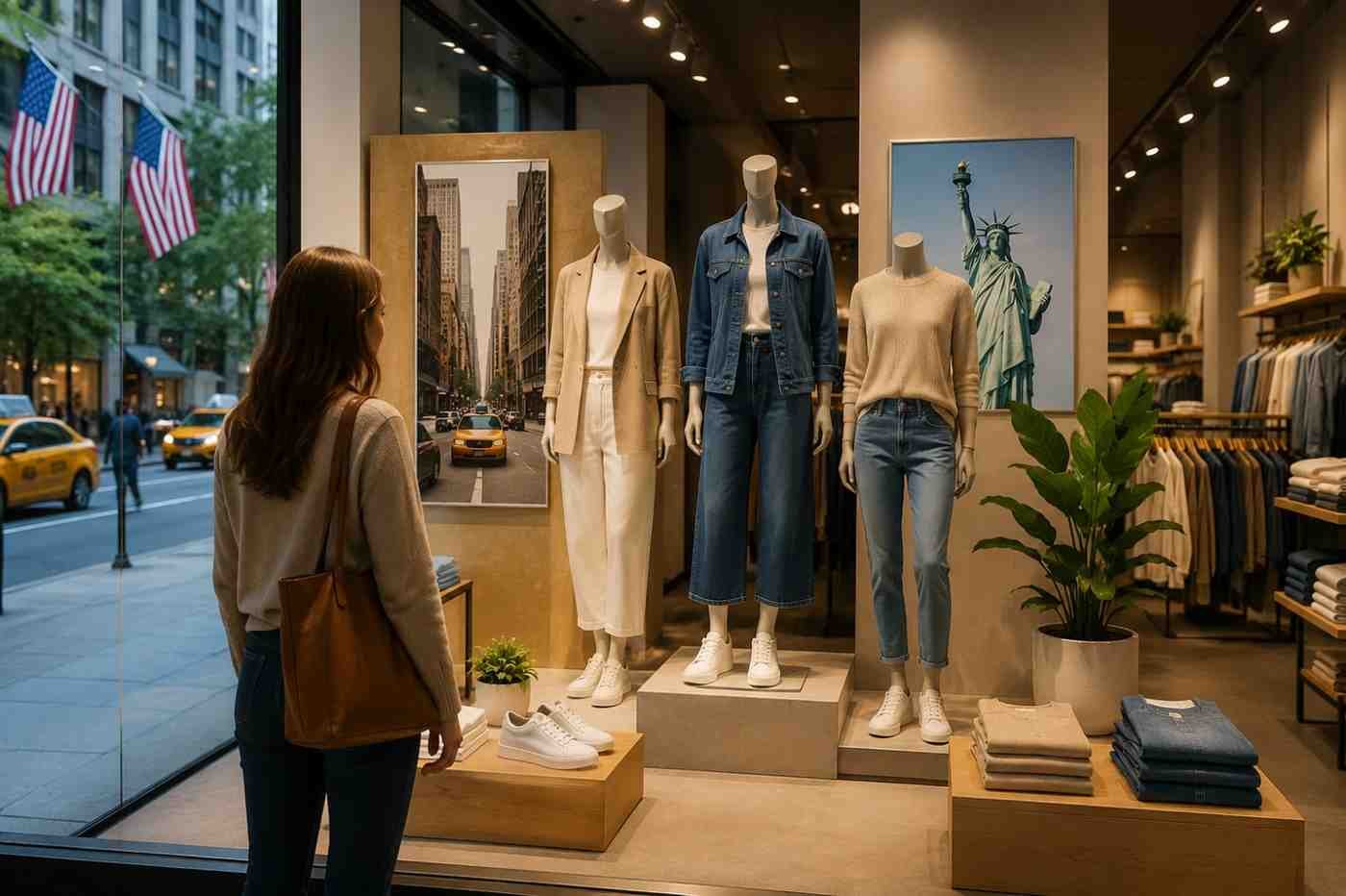
A lot of people think visual merchandising strategies are mostly about aesthetics. In reality, they are heavily tied to consumer psychology.
Color choices alone can change how shoppers react to products. Red creates urgency and excitement, which is why it appears so often in clearance sections. Blue feels trustworthy and calming, making it common in technology and service-focused retail spaces. Yellow naturally draws attention and works well for highlighting new arrivals.
Lighting has an equally strong effect. Bright and focused lighting makes products appear more premium and easier to notice. Dim or uneven lighting can make even quality products feel overlooked.
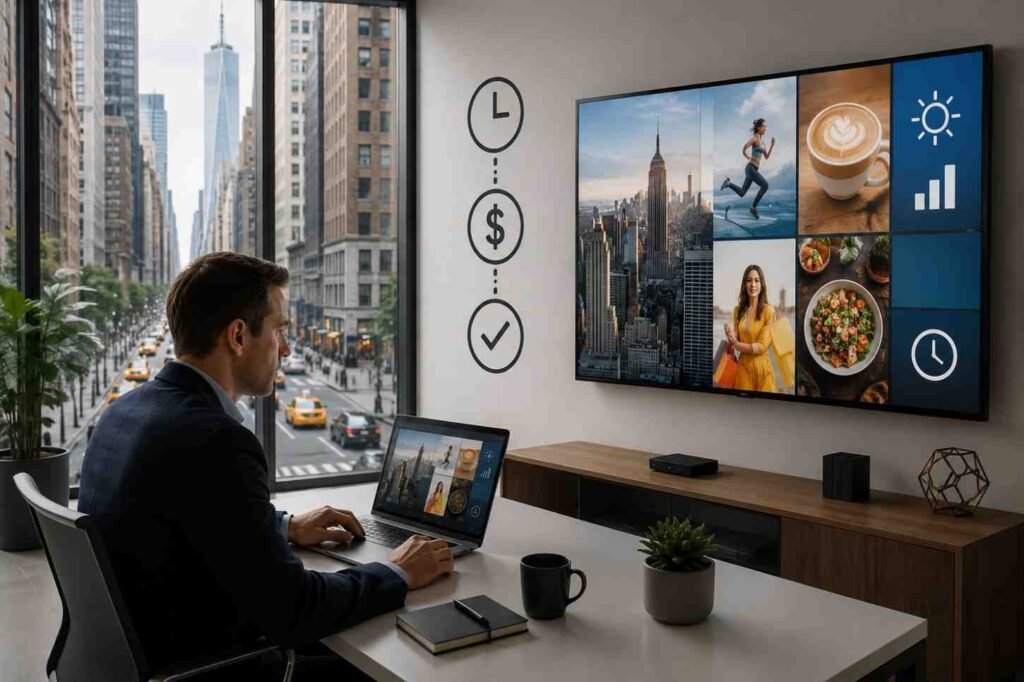
This is also where modern retailers are blending physical layouts with smarter digital experiences. Many businesses now combine traditional merchandising with interactive screens, motion-based displays, and connected signage systems. Brands investing in digital display marketing explained strategies are seeing stronger engagement because the shopping experience feels more dynamic and personalized, rather than static.
Interactive Retail Displays Are Changing Store Engagement
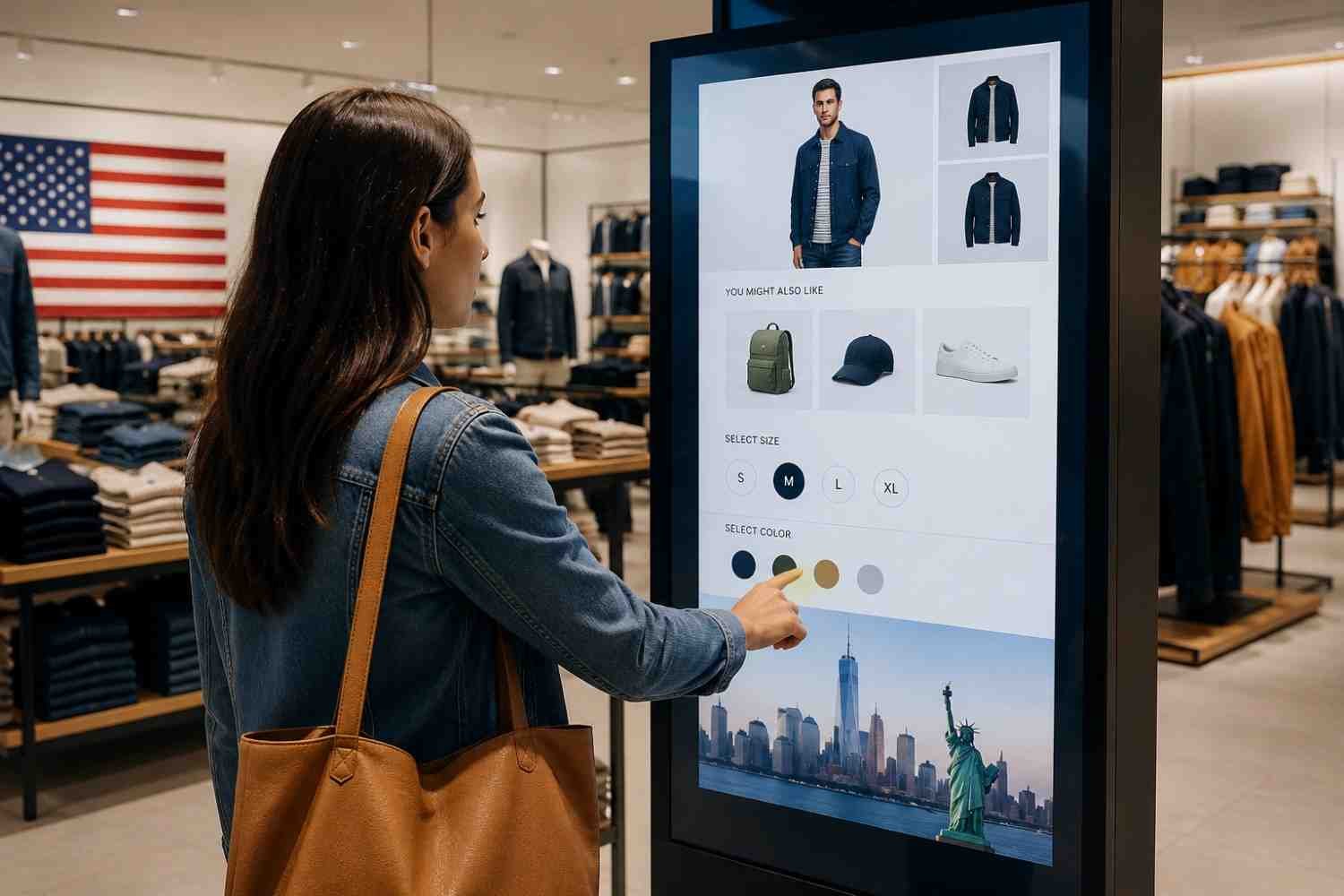
Static shelving no longer holds attention the way it once did. Customers now expect experiences that feel immersive, responsive, and convenient.
Interactive retail displays are becoming far more common because they encourage participation instead of passive viewing. Touchscreens, smart mirrors, QR-connected product demos, and digital catalogs help customers explore products independently without waiting for assistance.
Some of the most effective engagement-driven display tactics include:
- Smart mirrors for virtual product trials
- Motion-triggered digital signage
- QR-linked product demonstrations
- Interactive product comparison screens
- Personalized promotional messaging
The key difference is that these displays make customers feel involved rather than sold to.
Simplicity Often Performs Better Than Complexity
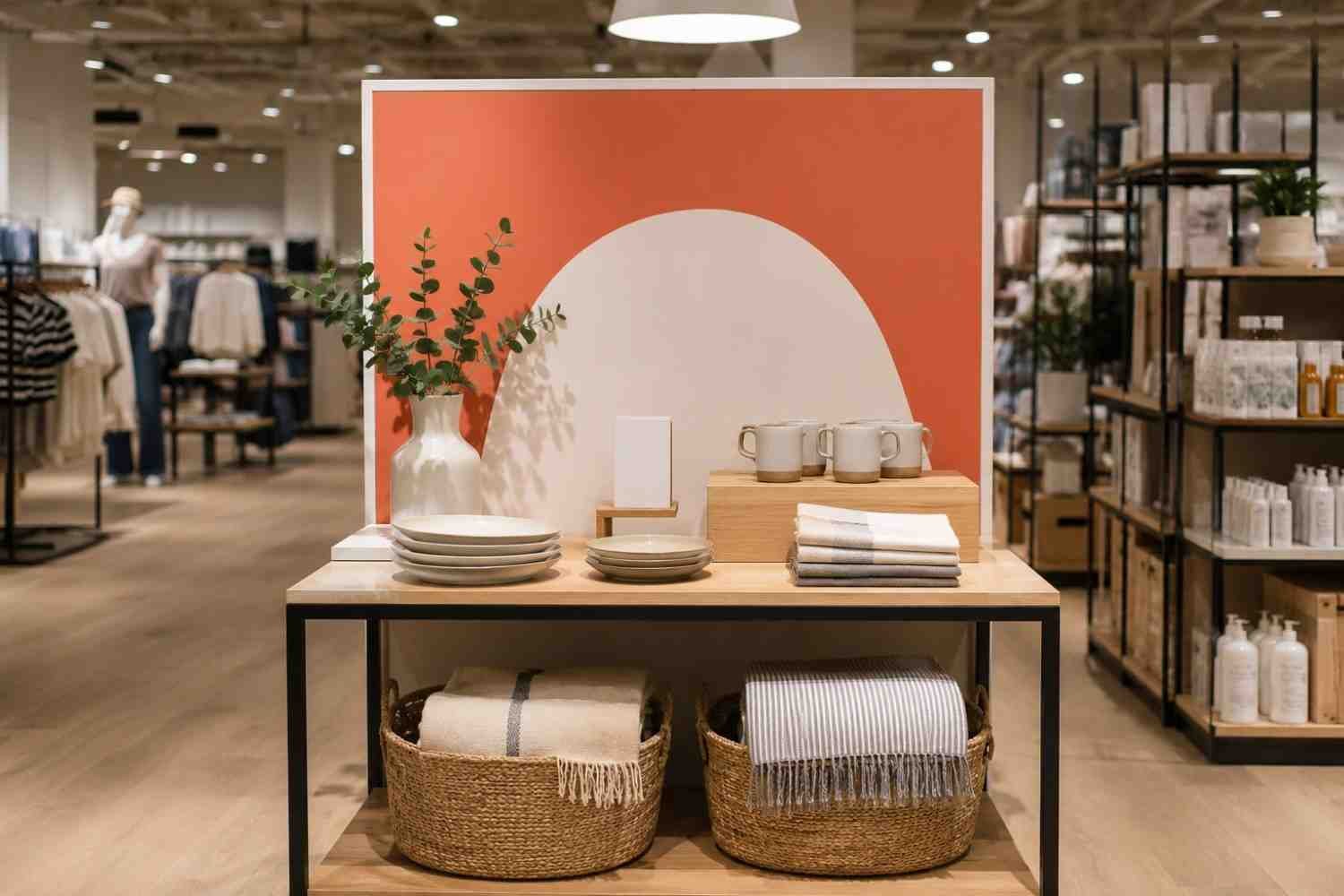
One mistake retailers frequently make is trying to communicate too much at once. Crowded signage, excessive promotional messaging, and overloaded displays reduce clarity.
Most shoppers decide whether a display interests them within a few seconds. If they cannot immediately understand what the display offers, they move on.
Strong retail display ideas usually focus on one central message:
- one featured product
- one seasonal concept
- one promotional focus
- one emotional trigger
Simple layouts also create cleaner visual pathways, helping products stand out more naturally.
Retailers that consistently refresh displays tend to perform better as well. Seasonal rotations, updated themes, and fresh layouts prevent stores from feeling repetitive. Even small visual changes can encourage returning customers to explore more areas of the store.
FAQs: Retail Display Engagement Strategies That Actually Influence Buying Decisions
1. What are retail display engagement strategies?
Retail display engagement strategies are techniques retailers use to attract shoppers’ attention, improve interaction, and increase purchase decisions through product placement, visual merchandising, and interactive experiences.
2. Why is product placement important in retail stores?
Product placement affects visibility and accessibility. Products placed at eye level, near checkouts, or on end-cap displays usually receive higher engagement and stronger sales performance.
3. How do interactive retail displays improve customer engagement?
Interactive retail displays encourage participation through touchscreens, smart mirrors, QR experiences, and digital signage. These tools make shopping more immersive and informative.
4. What is cross-merchandising in retail?
Cross-merchandising involves placing related products together to encourage additional purchases. Examples include pairing snacks with beverages or travel accessories with luggage.
Wrapping Note
Retail displays have evolved far beyond shelves and signage. They now shape how customers feel, move, interact, and ultimately decide to buy. The strongest retail display engagement strategies are the ones that quietly remove friction, create curiosity, and make shopping feel intuitive rather than transactional. Stores that understand shopper psychology are building experiences that feel memorable without appearing overly engineered.
As retail spaces continue blending physical experiences with interactive technology, engagement will matter even more than visibility alone. Customers may enter stores casually, but the right display still has the power to change what ends up in their cart.