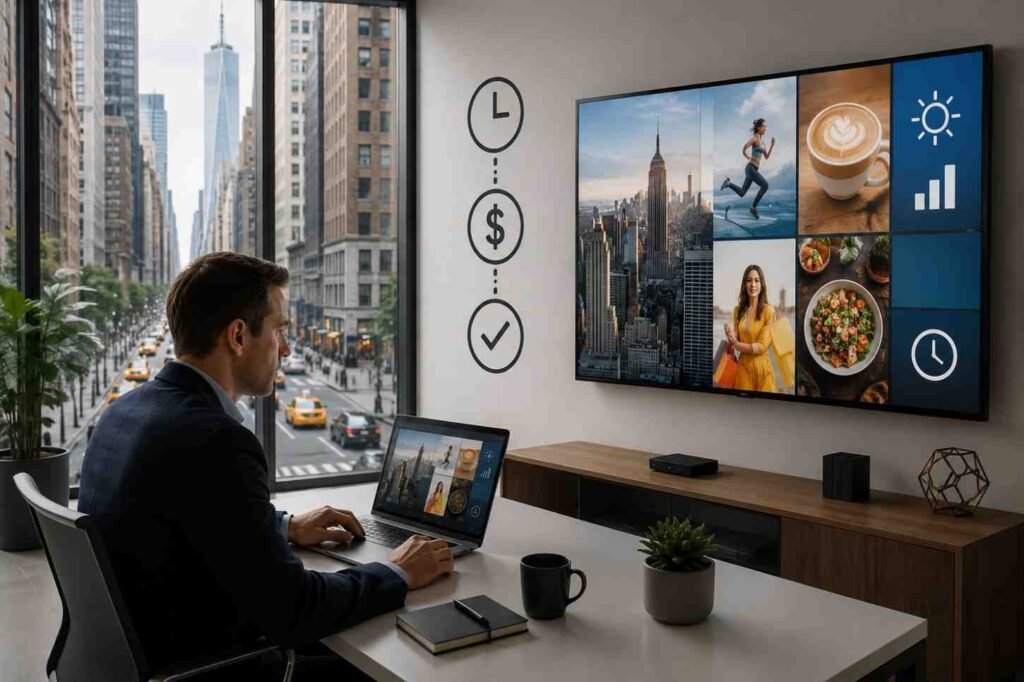


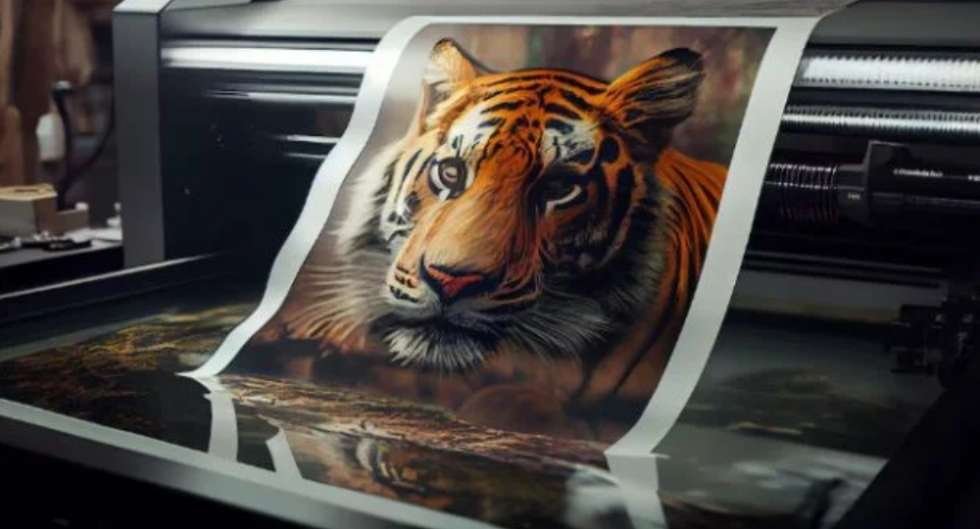


I started taking business design seriously after realizing customers often judge a company before reading a single line of text. Weak visuals create hesitation. Strong visuals create trust instantly. That shift completely changed how I approached graphic design tips for business marketing across websites, social media campaigns, email promotions, and digital ads.
The businesses growing fastest right now are not always producing more content. They are communicating more clearly. Their designs guide attention, reduce confusion, and make decisions easier for customers.
Good marketing design is not decoration. It is strategic communication.
Why Graphic Design Matters More Than Ever
Customers process visuals faster than text. That means your design often becomes your first sales pitch.
Stanford research found that 75% of users judge a business’s credibility based on website design.
That credibility directly impacts:
- trust
- conversions
- engagement
- customer retention
I have personally seen businesses improve click-through rates simply by improving spacing, typography, and CTA visibility. Better visuals reduce friction. When people understand your message faster, they respond faster.
That is also why the importance of consistent branding becomes more obvious as businesses scale across multiple marketing channels.
The Design Principles That Influence Customer Decisions
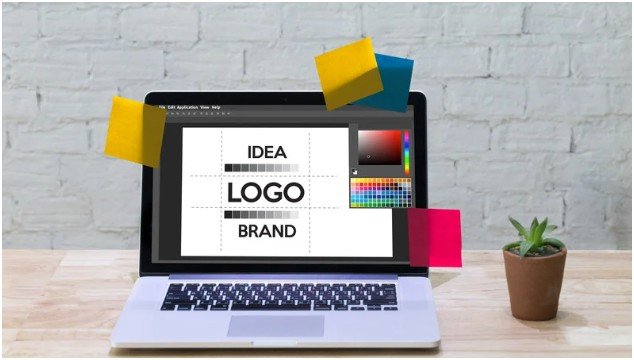
Most high-performing business visuals follow the same psychological structure. Designers often call this the C-R-A-P framework.
Contrast
Contrast controls attention. If everything looks visually equal, customers do not know where to focus.
Strong contrast helps users quickly notice:
- headlines
- promotions
- buttons
- product benefits
High-performing Instagram ads often use bright CTA buttons against neutral backgrounds because the eye naturally moves toward visual differences.
Repetition
Consistency builds familiarity.
Using the same colors, typography, logo treatments, and design style across platforms strengthens recognition. Businesses with inconsistent visuals often appear less trustworthy, even when the product itself is excellent.
Alignment
Alignment improves readability and professionalism.
Clean alignment reduces cognitive overload and helps visitors scan content. Misaligned layouts often feel chaotic, especially on mobile devices.
Proximity
Related content should stay visually connected.
For example, testimonials should sit close to customer photos, while product pricing should remain near the product image. Proper spacing helps users process information faster.
How Color Psychology Shapes Buying Behavior

Color heavily influences emotional response and customer perception.
Research published in Management Decision found that up to 90% of quick product judgments can relate to color alone. Management Decision Research Summary
Different colors often create different emotional reactions.
| Color | Emotional Association | Common Industries |
| Blue | Trust and stability | Finance, healthcare, SaaS |
| Red | Energy and urgency | Retail, food, promotions |
| Green | Wellness and growth | Eco brands, health |
| Black | Luxury and authority | Fashion, premium products |
| Yellow | Optimism and excitement | Lifestyle and youth brands |
I usually recommend limiting business palettes to one dominant color with one or two accent colors. Too many competing colors create visual fatigue and weaken brand identity.
Typography Choices That Improve Marketing Performance
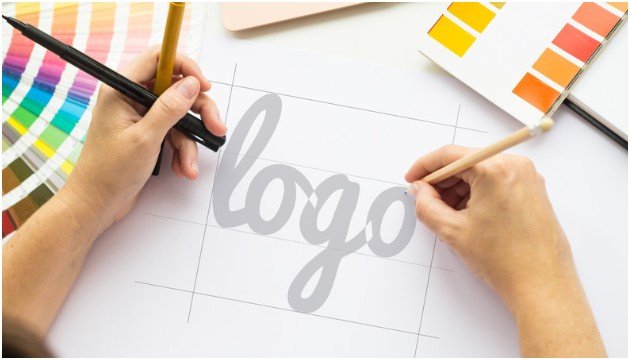
Typography quietly affects engagement more than most businesses realize.
One mistake I constantly see is brands using too many fonts in one design. That instantly weakens consistency.
The strongest business layouts usually rely on:
- a bold headline font
- a clean body font
- generous spacing
- larger mobile-friendly text
Modern users scan before they read. If the text feels cramped or difficult to process, they leave quickly.
Large typography, white space, and shorter paragraphs now outperform dense layouts across websites and social media.
Graphic Design Tips for Social Media Marketing

Social media platforms reward visuals that feel natural instead of overly corporate.
Instagram Ads
The best Instagram ads stop scrolling immediately.
Strong visual hooks often include:
- transformation images
- emotional reactions
- curiosity headlines
- problem-solving visuals
I have repeatedly seen raw creator-style content outperform polished studio ads because audiences respond better to authenticity.
Carousel Design
Carousel posts increase interaction because users actively engage through swiping.
One effective strategy is seamless carousel design, where one image flows across multiple slides. This creates curiosity and encourages continued engagement.
Carousels also work extremely well for tutorials, product comparisons, and educational content.
Reels and Stories
Vertical video dominates social media marketing in 2026.
Strong Stories and Reels usually feature:
- subtitles
- fast pacing
- strong hooks
- high-contrast text
- clear CTA placement
Most users watch silently, making captions essential for retention.
Website Design Tips That Improve User Experience

A business website should function like a guided sales funnel instead of a digital brochure.
The homepage must quickly answer:
- what the business does
- who it helps
- why customers should trust it
- what action visitors should take next
The hero section matters most because visitors form impressions within seconds.
Strong websites usually include:
- a clear value proposition
- visible CTA buttons
- social proof
- fast mobile loading
- simple navigation
Google now prioritizes mobile-first performance and user experience in rankings.
Modern layouts also avoid clutter. Large fonts, clean spacing, and intentional white space help users focus on the message instead of distractions.
Graphic Design Trends Businesses Should Watch in 2026
Design trends are becoming more human-centered.
Businesses are moving away from sterile perfection and using visuals that feel more authentic and approachable.
Popular trends now include:
- hand-drawn details
- grainy textures
- kinetic typography
- motion graphics
- micro-interactions
- AI-assisted personalization
- bento-grid layouts
Audiences increasingly trust brands that feel real rather than overly polished.
That shift explains why user-generated content and creator-style marketing continue to outperform traditional commercial designs across social platforms.
High-Converting Design vs Poor Marketing Design
| High-Converting Design | Poor Marketing Design |
| Clear headline | Vague messaging |
| Strong CTA visibility | Hidden buttons |
| Mobile-friendly layout | Cluttered structure |
| Consistent branding | Random design styles |
| Fast loading visuals | Heavy slow-loading graphics |
| Real customer imagery | Generic stock photos |
Many businesses accidentally hurt conversions through unnecessary complexity. Simpler communication almost always performs better.
FAQs
1. What are the best graphic design tips for business marketing?
The best strategies focus on branding consistency, strong contrast, mobile readability, visual hierarchy, and clear CTA placement.
2. Why is graphic design important for marketing?
Graphic design affects trust, engagement, readability, and conversion rates. Strong visuals help businesses communicate faster and appear more professional.
3. What colors work best in marketing design?
Blue often builds trust, red creates urgency, green supports wellness branding, and black communicates luxury. The right color depends on your audience and industry.
4. How does graphic design improve social media marketing?
Good design improves scroll-stopping power, engagement, and ad performance by making content easier to notice and understand quickly.
5. What is the biggest design mistake businesses make?
The most common mistake is clutter. Overcrowded layouts confuse customers and weaken conversions.
Your Marketing Should Not Look Forgettable
Most businesses do not lose customers because their product is bad. They lose customers because their messaging feels unclear or visually forgettable.
The strongest marketing design communicates value instantly. It guides attention naturally and builds trust before a customer reads every detail.
If I had to give one final recommendation, it would be this: simplify your visuals until the customer immediately understands the benefit. Clear communication consistently outperforms complicated design.