
Printing plays a crucial role in marketing, branding, packaging, and communication. From business cards to billboards, choosing the right printing technique can directly impact quality, cost, and turnaround time. This guide on types of printing methods explained will help you understand the most widely used printing technologies, their advantages, and when to use each.
What Are Printing Methods?
Printing methods refer to the different techniques used to transfer text or images onto materials such as paper, fabric, plastic, or metal. Each method uses a unique process, making it suitable for specific applications, volumes, and materials.
Selecting the right method depends on factors like quantity, budget, material type, and desired finish.
Major Types of Printing Methods
Digital Printing
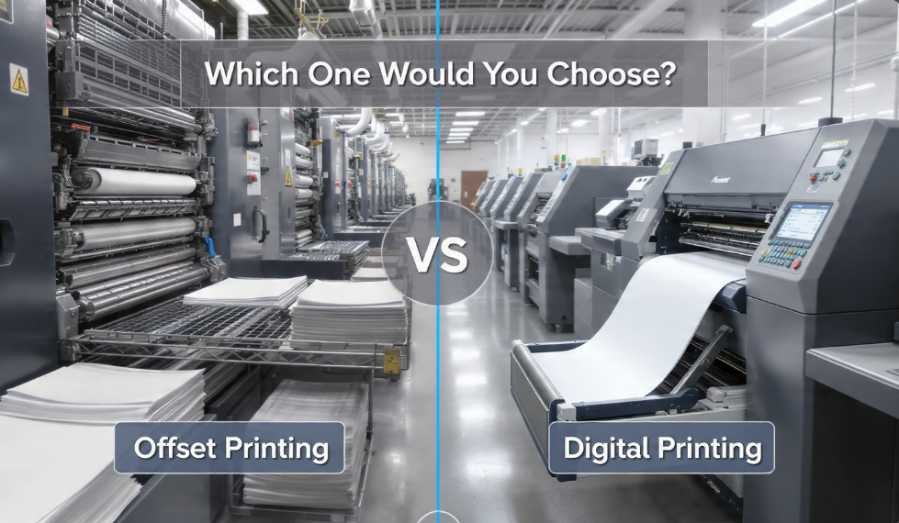
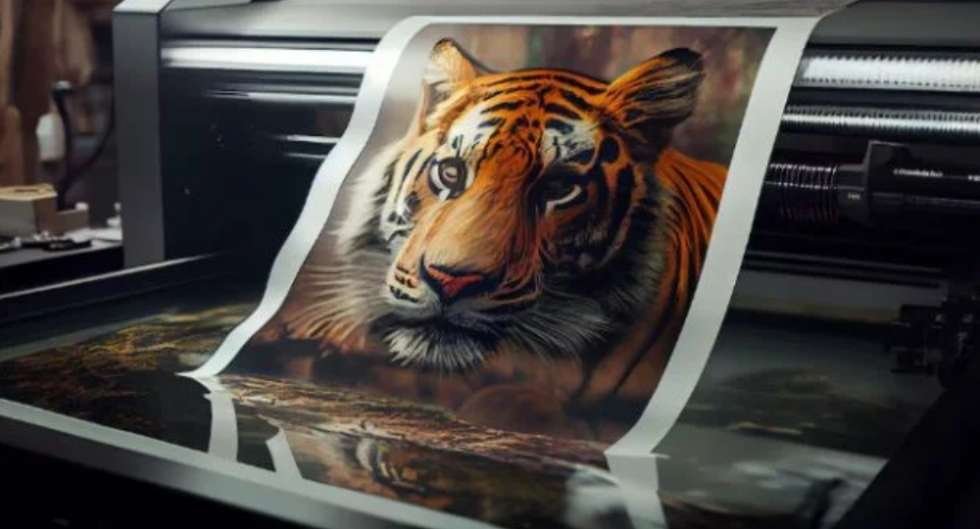
Digital printing is one of the most modern and widely used methods. It prints directly from digital files without the need for printing plates.
It is ideal for short runs, quick turnaround, and personalized printing. Businesses often use digital printing for brochures, flyers, and small marketing materials.
Its biggest advantage is flexibility. You can print small quantities without high setup costs, making it perfect for startups and small businesses.
Offset Lithography
Offset printing is a traditional method that transfers ink from a metal plate to a rubber blanket and then onto paper.
It is known for producing high-quality prints with excellent color accuracy. This method is best suited for large-volume projects like magazines, newspapers, and catalogs.
Although the setup cost is higher, the cost per unit decreases significantly for large print runs, making it cost-effective for bulk printing.
Flexography Printing
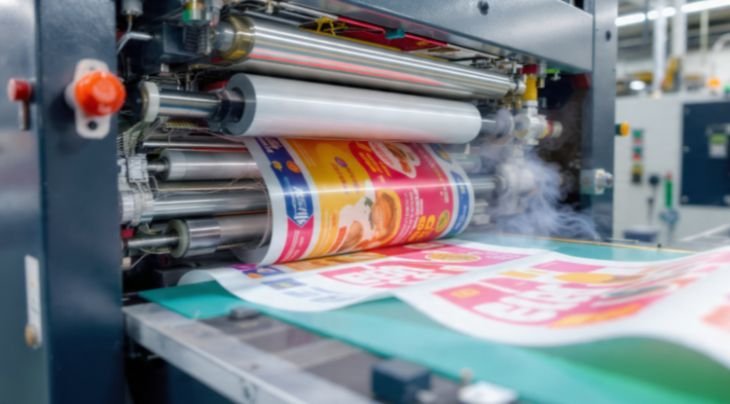
Flexography, often called flexo printing, uses flexible relief plates to print on a variety of materials.
It is widely used in packaging industries for printing on plastic, foil, cardboard, and labels. Flexo printing is fast, efficient, and highly versatile.
Its ability to print on non-porous materials makes it essential for food packaging, beverage labels, and industrial applications.
Screen Printing
Screen printing involves pushing ink through a mesh stencil onto a surface. It is commonly used for apparel, posters, and promotional products.
This method produces vibrant colors and durable prints, especially on fabrics. It is ideal for bulk orders like custom T-shirts and merchandise.
However, it is less efficient for highly detailed designs or small quantities due to setup requirements.
Gravure Printing
Gravure printing, also known as rotogravure, uses engraved cylinders to transfer ink onto the printing surface.
It is designed for extremely high-volume production and offers exceptional print quality and consistency.
This method is commonly used for magazines, catalogs, and large-scale packaging. While the setup cost is high, it becomes economical for massive print runs.
Sublimation Printing
Sublimation printing uses heat to convert ink into gas, which bonds directly with materials like polyester.
It is popular for custom apparel, sportswear, and promotional items such as mugs and phone cases.
The result is a vibrant, long-lasting print that does not crack or peel. However, it works best on light-colored polyester materials.
Letterpress Printing
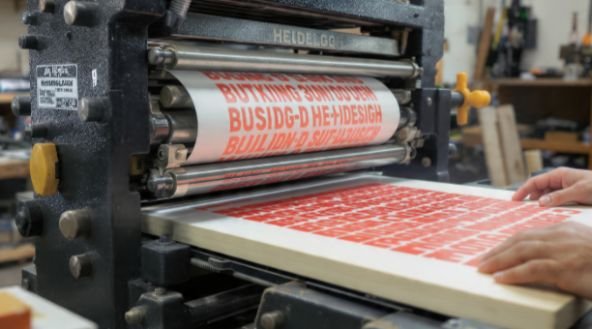
Letterpress is one of the oldest printing methods, using raised surfaces to press ink into paper.
It creates a distinctive textured effect that is highly valued for premium stationery, invitations, and artistic prints.
Although not commonly used for mass production, it remains popular for luxury printing projects.
LED UV Printing
LED UV printing uses ultraviolet light to instantly cure ink as it is printed.
This allows printing on a wide range of materials, including glass, metal, plastic, and wood. It produces sharp, durable, and high-resolution prints.
Businesses use this method for signage, promotional products, and customized items.
Thermal Transfer Printing
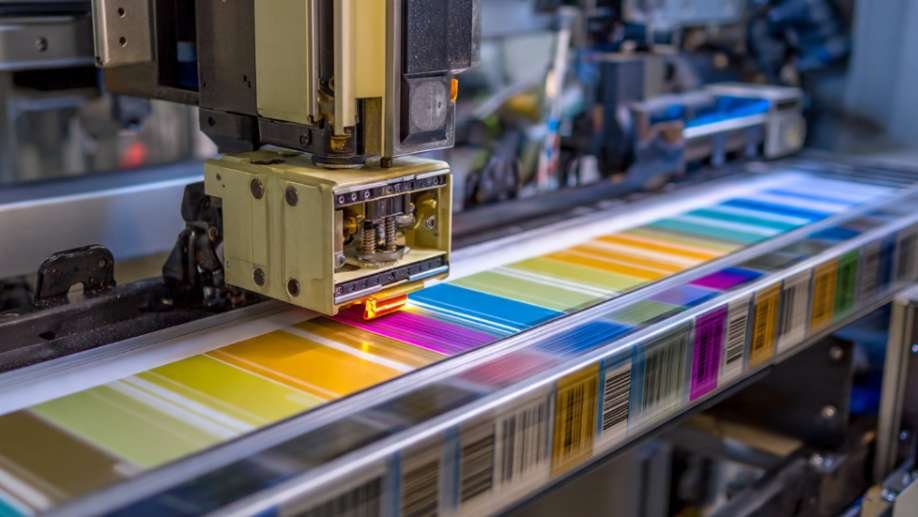
Thermal transfer printing uses heat to transfer ink from a ribbon onto a surface or directly onto heat-sensitive paper.
It is commonly used for printing barcodes, shipping labels, and receipts.
This method is fast, reliable, and widely used in logistics and retail industries.
How to Choose the Right Printing Method
Choosing the right printing method depends on your specific needs. Consider the following factors:
- Print volume: Large runs favor offset or gravure, while small runs suit digital printing
- Material: Fabric requires screen or sublimation printing, while packaging uses flexography
- Budget: Digital printing has low setup costs, while offset becomes cheaper for bulk
- Turnaround time: Digital printing is fastest for urgent projects
- Quality requirements: Offset and gravure offer the highest precision
Understanding these factors ensures you select the most efficient and cost-effective solution.
Advantages of Different Printing Methods
Each printing method offers unique benefits. Digital printing excels in speed and customization, while offset printing provides unmatched quality for large volumes.
Flexography stands out for packaging, and screen printing is ideal for durable designs on textiles. Sublimation offers vibrant, long-lasting prints, while UV printing enables printing on unconventional materials.
By aligning your needs with the right method, you can achieve better results and maximize your investment.
FAQs
What are the 8 types of printing methods?
The eight common printing methods include digital, offset, flexography, screen printing, gravure, letterpress, sublimation, and UV printing.
What are the five printing methods?
Five major printing methods are digital printing, offset lithography, flexography, screen printing, and gravure printing.
What are the four main types of printing?
The four main types are digital printing, offset printing, flexography, and screen printing.
What are the 4 basic printmaking techniques?
The four basic printmaking techniques are relief printing, intaglio printing, planographic printing (like offset), and stencil printing (like screen printing).
Final Thoughts on Choosing the Right Printing Method
Understanding the types of printing methods explained helps businesses and designers make smarter decisions when producing marketing materials, packaging, or custom products. Each method serves a specific purpose, and selecting the right one ensures better quality, efficiency, and cost control.
Whether you need high-volume production or customized short runs, knowing these techniques allows you to optimize your printing strategy. As printing technology continues to evolve, combining traditional and modern methods can deliver even better results.
To dive deeper into modern techniques, exploring what is digital printing process can further enhance your understanding of fast, flexible, and cost-effective printing solutions.