
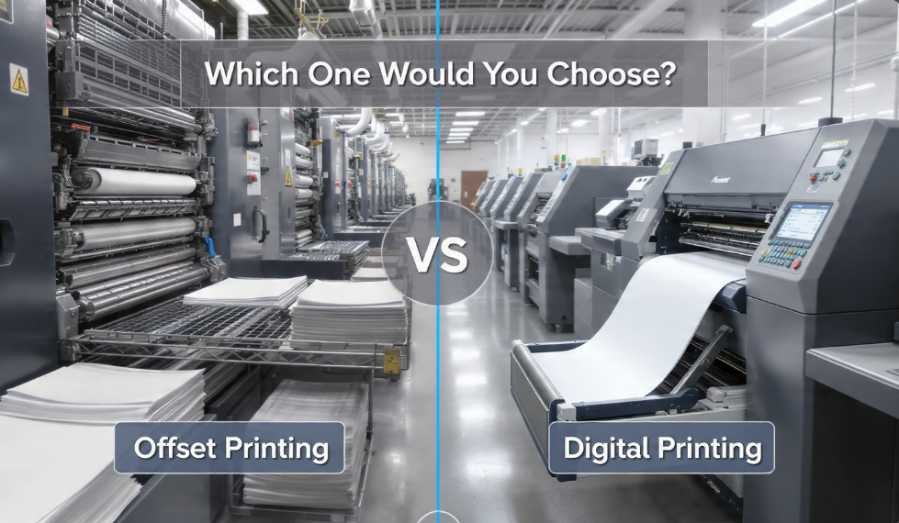
Choosing the right printing method can directly impact your costs, turnaround time, and overall print quality. Businesses often face a common question: should you go with offset printing or digital printing?
Both methods have their strengths, and the right choice depends on your project size, budget, and customization needs. This guide explains the differences, processes, pros and cons, and when to use each method.
What Is Offset Printing?
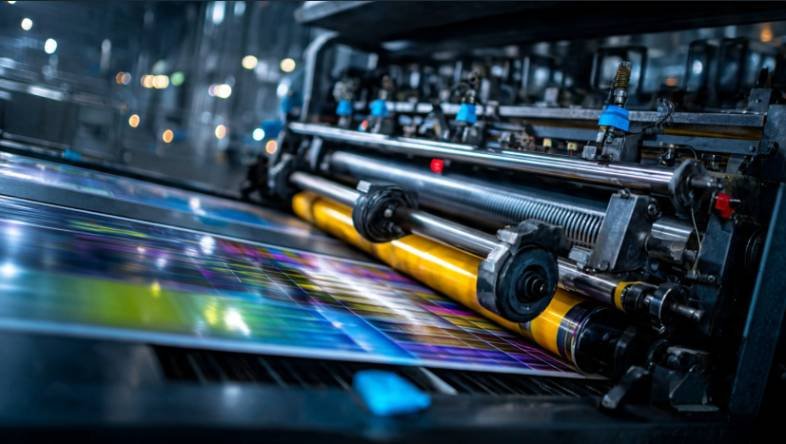
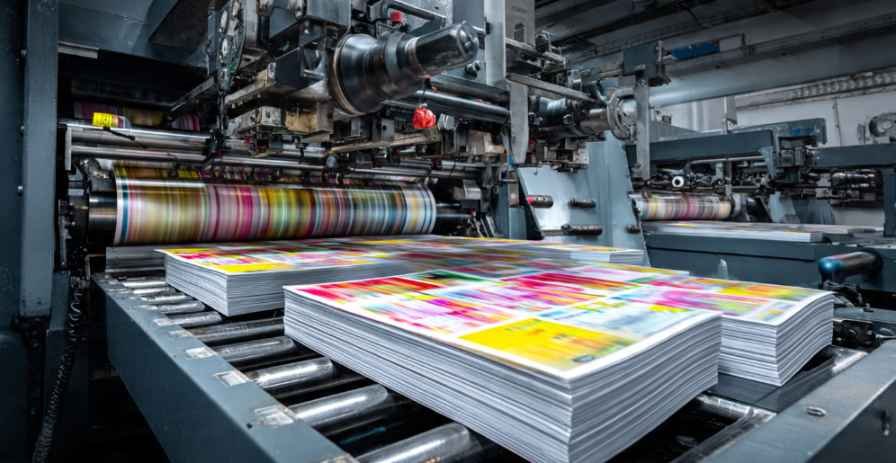
Offset printing is a traditional printing method that uses metal plates to transfer ink onto a rubber blanket, which then applies the image to paper. It is widely used for high-volume printing where consistency and color accuracy are critical.
This method typically uses the CMYK color model (cyan, magenta, yellow, black), along with Pantone spot colors for precise color matching.
How Offset Printing Works
Offset printing involves a multi-step process that ensures high-quality output. Each color requires a separate plate, making the setup more complex but highly accurate.
- Metal plates are created for each color used in the design
- Ink is transferred from the plate to a rubber blanket
- The blanket applies the ink onto paper or other materials
- Sheets pass through the press for each color layer
- Final prints are dried and finished
Because of this setup, offset printing is best suited for large print runs where the initial cost can be spread across many copies.
What Is Digital Printing?
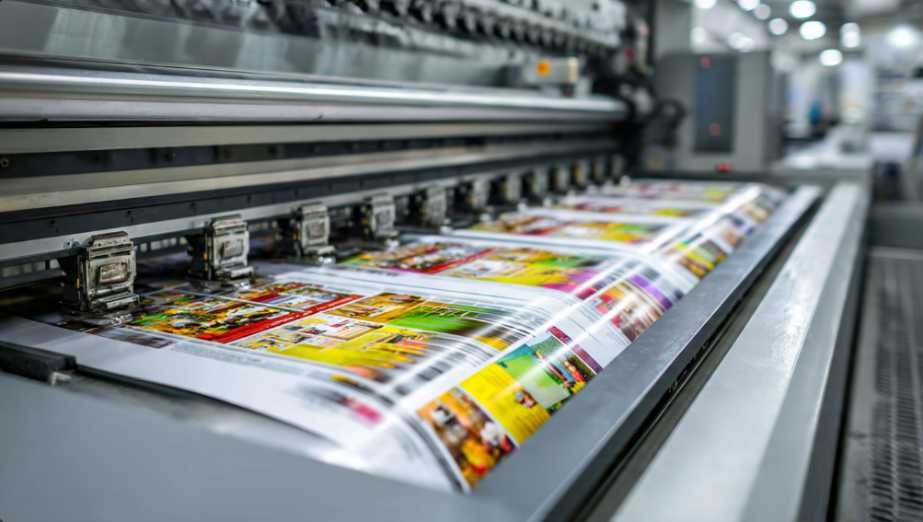
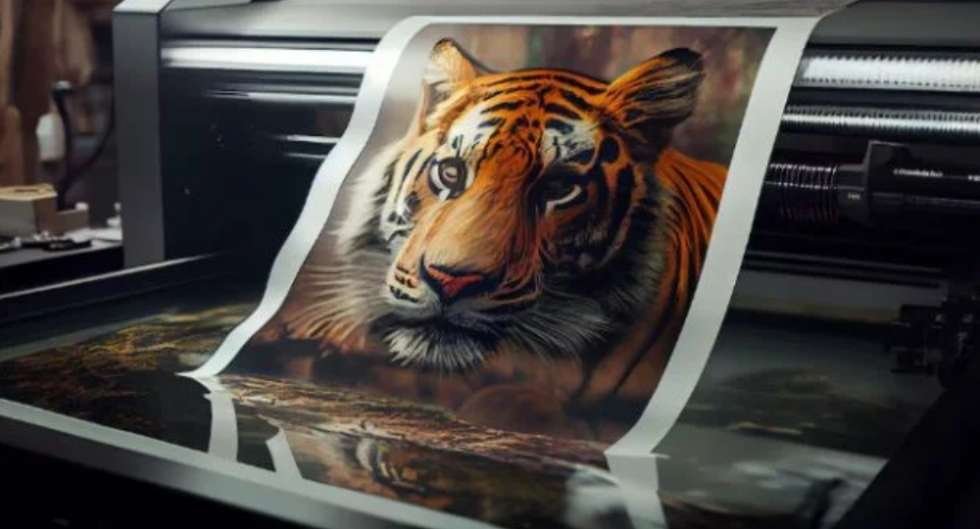
Digital printing is a modern method where digital files are sent directly to a printer without the need for plates. It uses inkjet or toner-based technology to produce prints quickly and efficiently.
This method is ideal for short runs, on-demand printing, and personalized materials.
How Digital Printing Works
Digital printing simplifies the process by eliminating plate creation and reducing setup time.
- A digital file is prepared and sent directly to the printer
- The printer applies ink or toner directly onto the material
- Prints are produced quickly with minimal setup
- Finishing processes like cutting or binding are applied
Because of its speed and flexibility, digital printing is widely used for small business marketing materials.
Key Differences Between Offset and Digital Printing
Understanding the differences helps businesses choose the right method for their needs.
Comparison Overview
- Setup cost is high in offset printing due to plate creation, while digital printing has minimal setup costs
- Offset printing is more cost-effective for large quantities, whereas digital printing is better for small batches
- Digital printing offers faster turnaround times compared to offset printing
- Offset printing provides superior color accuracy and consistency, especially with Pantone colors
- Digital printing supports variable data printing, allowing each print to be customized
Advantages of Offset Printing
Offset printing is known for its premium quality and efficiency in large-scale production. It is often used by publishers and large businesses.
- Lower cost per unit for bulk printing
- Exceptional color accuracy and consistency
- Ability to use custom Pantone inks
- High-quality image reproduction
- Suitable for a wide range of paper types and finishes
However, it requires higher upfront investment and longer setup time.
Advantages of Digital Printing
Digital printing is designed for speed, flexibility, and convenience. It is widely used by small businesses and marketing teams.
- Fast turnaround, often same-day printing
- No need for plates, reducing setup costs
- Ideal for short runs and small batches
- Supports variable data printing for personalization
- Easy to update designs without additional cost
While quality is high, it may not match the precision of offset printing for certain color requirements.
When Should You Choose Offset Printing?
Offset printing is the best option when your project involves large volumes and requires consistent, high-quality output.
You should choose offset printing if you need more than 1,000 copies, require exact color matching, or want to print on specialty papers. It is commonly used for books, magazines, catalogs, and large brochures.
When Should You Choose Digital Printing?
Digital printing is ideal for projects that require speed and flexibility. It is perfect for businesses that need quick results without committing to large quantities.
Choose digital printing if you need fewer than 500 copies, require fast delivery, or want to personalize each print. It is commonly used for flyers, business cards, and targeted marketing campaigns.
Cost Comparison: Offset vs Digital Printing
Cost is one of the most important factors when choosing a printing method. Offset printing has higher initial setup costs but becomes more economical as the quantity increases.
Digital printing, on the other hand, has lower upfront costs but a higher cost per unit for large runs. Businesses should evaluate their print volume and budget before making a decision.
Quality Comparison
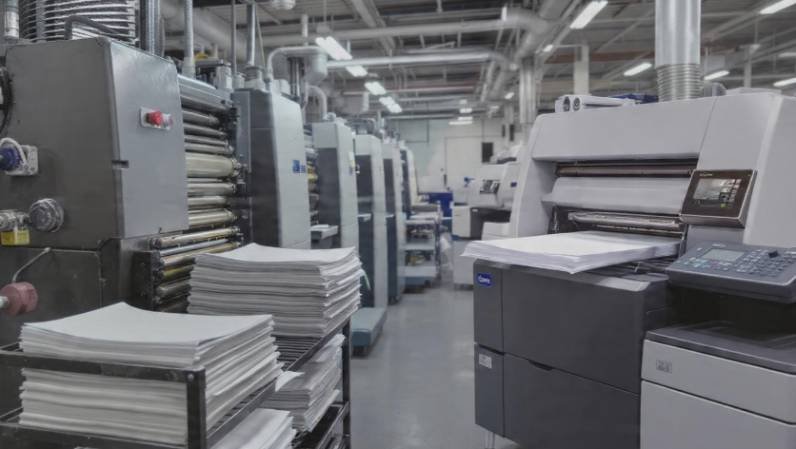
Offset printing is considered the gold standard for print quality, especially when precise color matching is required. It produces sharper images and more consistent results across large batches.
Digital printing has improved significantly and offers excellent quality for most applications. However, slight variations in color may occur, especially across different machines.
Frequently Asked Questions
Which is better, offset or digital printing?
Neither is universally better. Offset printing is ideal for large volumes and high-quality color accuracy, while digital printing is better for small runs, fast turnaround, and customization.
Is offset printing more expensive than digital?
Offset printing has higher upfront costs but becomes cheaper per unit for large quantities. Digital printing is more affordable for small print runs.
Can digital printing match offset quality?
Digital printing offers high quality, but offset printing still provides superior color accuracy and consistency, especially for large-scale projects.
What is variable data printing?
Variable data printing (VDP) allows each printed piece to be customized with unique information, such as names or addresses. This feature is only available with digital printing.
Which printing method is faster?
Digital printing is much faster because it does not require plate setup. Offset printing takes longer due to its preparation process.
Making the Right Printing Choice for Your Business
Understanding the differences between offset and digital printing helps businesses make smarter decisions based on their goals. If your priority is high-volume production with perfect color accuracy, offset printing is the right choice. If you need speed, flexibility, and personalization, digital printing is the better option.
Many businesses use a combination of both methods depending on their needs. By aligning your printing strategy with your marketing and operational goals, you can maximize efficiency and reduce costs.
As printing technology continues to evolve, learning what is digital printing process alongside traditional methods will help you stay competitive and adaptable in a fast-changing business environment.