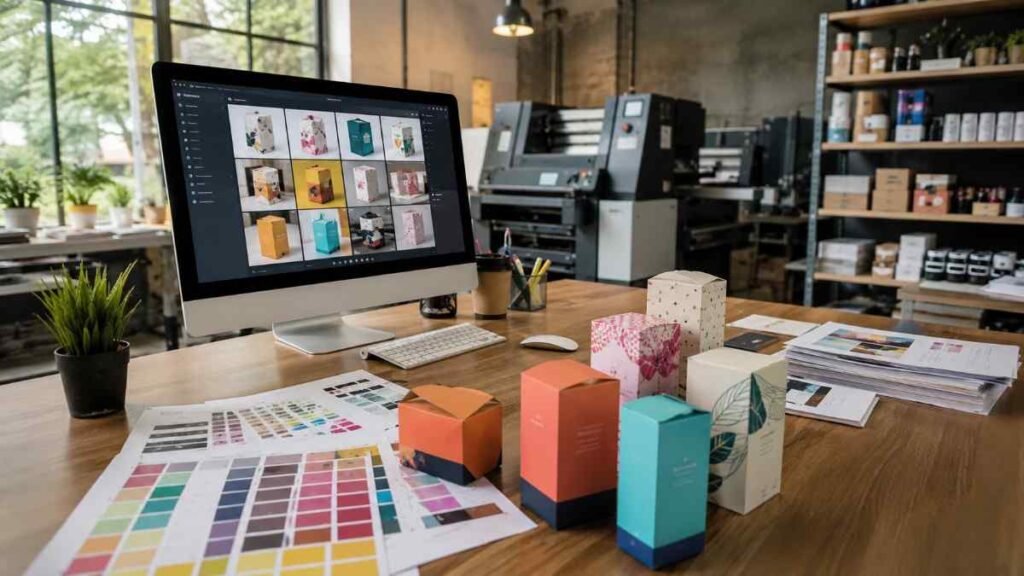

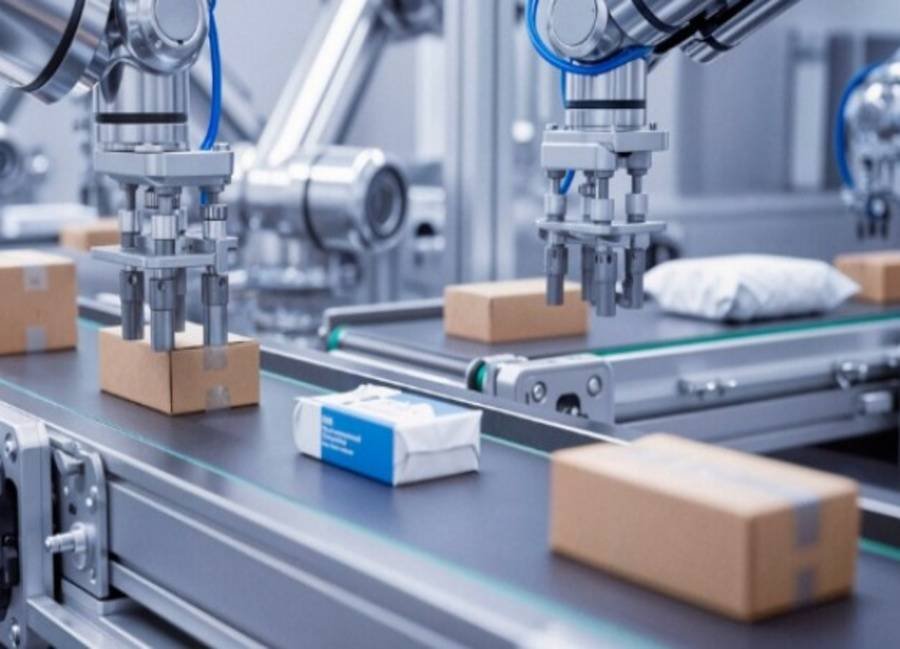
Packaging used to be simple. I looked at a box, pouch, label, or bottle and thought only about how it looked on a shelf. Now, I see packaging as something much bigger. It can protect products, share data, reduce waste, prevent counterfeiting, and even connect buyers with a brand after purchase.
That is why Smart Packaging Innovations: Businesses Should Watch has become such an important topic for companies that want better safety, stronger branding, and smarter supply chains.
What Is Smart Packaging?
Smart packaging uses technology to make packaging more useful than traditional product wrapping. Instead of only holding or protecting an item, it can track, monitor, verify, or communicate information.
This may include QR codes, NFC tags, radio frequency identification labels, freshness indicators, temperature sensors, antimicrobial materials, and connected labels. Some packaging tells customers where a product came from. Some helps businesses monitor shipping conditions. Some even alert users when food, medicine, or cosmetics may no longer be safe.
Why Smart Packaging Matters for Modern Brands
Today’s buyers want more than a good-looking package. They want trust, transparency, safety, and convenience. A simple scan on a package can show product details, usage instructions, sustainability claims, reviews, warranty information, or authenticity proof.
For businesses, smart packaging also improves inventory control and product protection. It can reduce returns, catch supply chain issues early, and help brands understand how customers interact with products after purchase.
Active Packaging vs Intelligent Packaging vs Connected Packaging
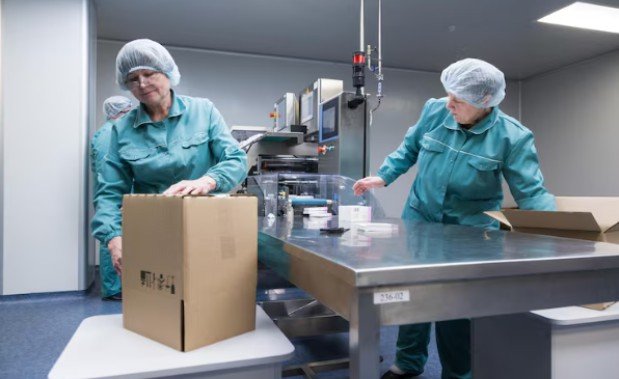
Active packaging works inside the package to improve product quality. For example, moisture control, oxygen absorbers, and antimicrobial layer by layer coating can help extend shelf life. Intelligent packaging monitors product conditions. It may show freshness, temperature exposure, or damage during shipping.
Connected packaging links the physical product to digital content. QR codes, NFC chips, and scannable labels can lead buyers to product pages, tutorials, loyalty programs, or authentication tools.
Top Smart Packaging Innovations Businesses Should Watch
QR Code Packaging
QR codes are one of the easiest ways to start with smart packaging. They are affordable, simple to print, and familiar to most customers. A QR code can send buyers to product instructions, ingredient details, how-to videos, recycling guidance, or promotions. For smaller businesses, this is often the most practical first step.
NFC-Enabled Packaging
NFC packaging lets customers tap a product with their phone to access digital content. It feels smoother than scanning a code and can create a more premium experience.
Brands can use NFC for authentication, loyalty rewards, product education, and limited-edition campaigns. It works especially well for beauty, luxury goods, supplements, and specialty food products.
RFID Tracking Labels
RFID labels help businesses track products through warehouses, stores, and delivery routes. Unlike barcodes, RFID tags do not always need a direct line of sight to be scanned.
This makes them useful for inventory accuracy, theft reduction, shipment tracking, and retail operations. Businesses with high product volume can benefit most from RFID packaging.
Freshness and Temperature Sensors
Freshness and temperature sensors are important for food, beverages, medicine, skincare, and other sensitive products. These sensors can show whether a product has been exposed to unsafe heat, cold, or storage conditions.
Anti-Counterfeit Smart Labels
Counterfeit products damage trust and revenue. Smart labels can help verify whether a product is real by using QR codes, NFC chips, tamper-evident seals, or serialized tracking. This is especially useful for cosmetics, electronics, health products, luxury goods, and specialty retail items.
AR Packaging Experiences
Augmented reality packaging adds a digital layer to the physical package. Customers can scan a product and see interactive visuals, games, tutorials, 3D product views, or brand stories. AR packaging can make a product more memorable, especially in crowded categories where shelf attention matters.
Sustainable Smart Packaging Materials
Smart packaging is not only about digital tools. Many brands are also looking at sustainable materials, recyclable structures, compostable films, lightweight packaging, and food packaging waste-reducing designs.
The best approach combines technology with responsible material choices. This helps brands communicate environmental claims more clearly while reducing unnecessary packaging waste.
Benefits of Smart Packaging for Businesses
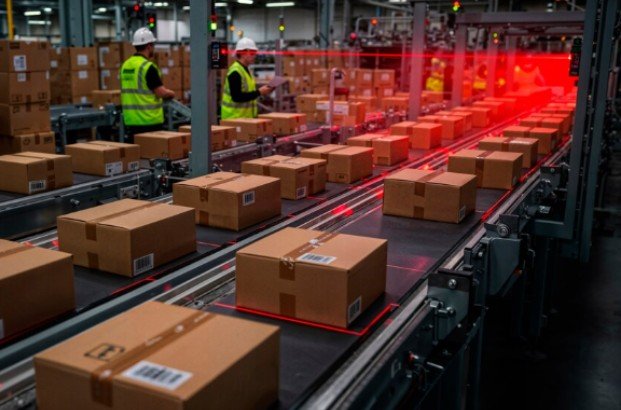
Smart Packaging Innovations: Businesses Should Watch can help brands improve product safety, customer trust, and operational control. The biggest benefits include better product visibility, stronger anti-counterfeit protection, longer shelf life, improved customer engagement, and easier access to product information.
Smart packaging also supports better marketing. A package can become a direct communication channel after the sale. Instead of losing contact once a customer leaves the store, brands can guide them to videos, offers, reviews, care instructions, and reorder pages.
Smart Packaging by Industry
Food brands can use freshness indicators, temperature sensors, QR codes, and active packaging to reduce spoilage. Beauty brands can use NFC labels, QR tutorials, authentication tools, and refill instructions. Retail brands can use RFID for inventory and anti-theft control.
Pharma and wellness brands can use smart labels for safety, expiration tracking, dosage guidance, and authenticity checks. E-commerce brands can use connected inserts, scannable packaging, and return-friendly labels to improve the post-purchase experience.
Cost, ROI, and Adoption Challenges
Smart packaging does not have to start with expensive technology. A business can begin with QR codes and digital landing pages, then move into NFC, RFID, or sensors later.
The main challenge is choosing technology that matches the product. Not every brand needs advanced sensors. A local product line may only need scannable packaging. A national supply chain may need RFID and condition monitoring.
The best ROI usually comes when smart packaging solves a clear problem, such as spoilage, counterfeiting, poor customer education, weak tracking, or low repeat purchases.
Future of Smart Packaging
Smart Packaging Innovations: Businesses Should Watch will continue growing as buyers expect more transparency and companies need better supply chain control.
In the future, packaging will likely become more personalized, trackable, interactive, and sustainability-focused. The brands that win will not simply add technology for show. They will use it to solve real customer and business problems.
Frequently Asked Questions
1. What are Smart Packaging Innovations: Businesses Should Watch?
They include QR codes, NFC labels, RFID tracking, freshness sensors, temperature indicators, anti-counterfeit labels, AR packaging, and sustainable smart materials.
2. Is smart packaging expensive?
It depends on the technology. QR codes are low-cost, while RFID, NFC, and sensors cost more. Many businesses start small and upgrade as they grow.
3. Which industries benefit most from smart packaging?
Food, beauty, healthcare, wellness, retail, luxury goods, and e-commerce benefit strongly because they need safety, trust, tracking, and customer engagement.
4. Does smart packaging help with sustainability?
Yes, when used correctly. It can reduce waste, improve recycling guidance, extend shelf life, and support clearer sustainability claims.
Final Takeaways
I believe smart packaging is no longer just a trend. It is becoming a practical business tool. A package can now protect a product, guide a buyer, verify authenticity, collect data, and support better brand trust.
The smartest move is to start with the problem first. If customers need more information, use QR codes. If products are counterfeited, use authentication labels. If freshness matters, consider sensors. When the technology matches the need, smart packaging becomes more than an upgrade. It becomes a real growth advantage.