


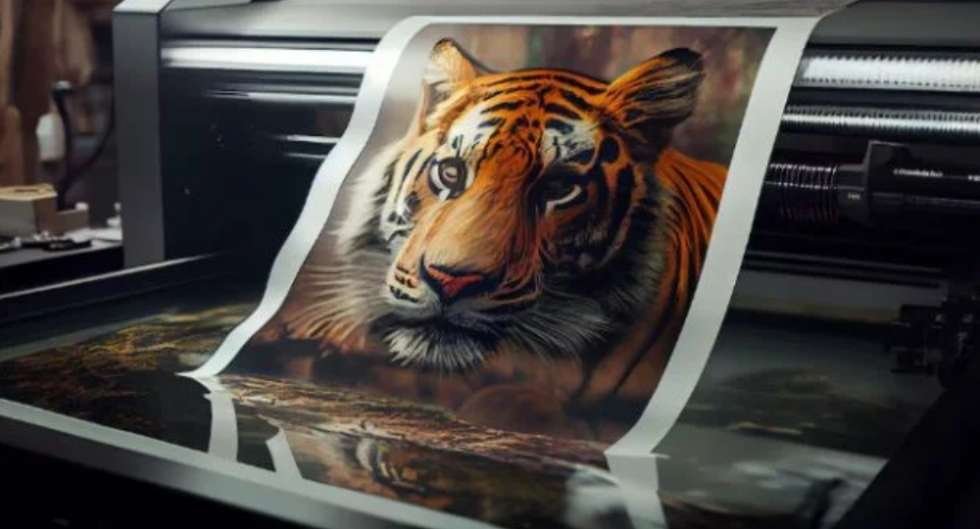

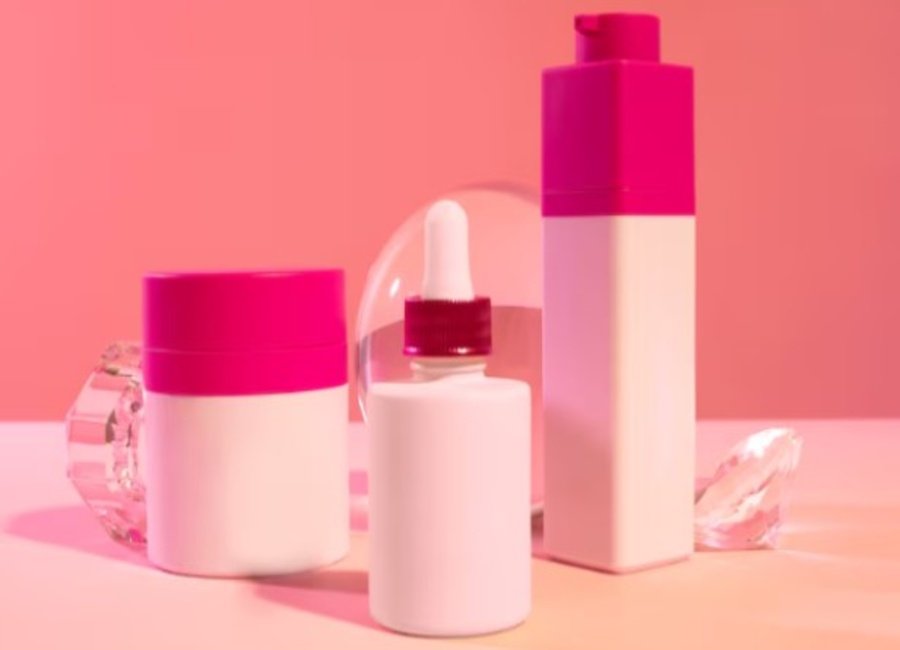
When I look at a skincare bottle, supplement jar, lip gloss box, or haircare label, I usually judge the product before I ever read the full ingredient list. That is why Packaging Design Tips for Health and Beauty Products matter so much for brands that want attention, trust, and repeat buyers.
Good packaging does more than protect the product. It tells shoppers what the brand stands for, how safe the formula feels, and whether the item belongs in their daily routine.
Why Packaging Matters in Health and Beauty
Health and beauty products are personal. People put them on their skin, hair, face, or body, so the packaging must feel clean, trustworthy, and easy to understand.
A strong design can make a simple product feel premium. A weak design can make even a great formula look cheap, confusing, or risky. That first impression often decides whether someone picks up the product or scrolls past it online.
Know Your Buyer Before You Design
Before choosing colors, fonts, or bottle shapes, I would first ask who the product is made for. A luxury anti-aging serum needs a different look than a fun lip balm or a daily wellness supplement.
For younger beauty buyers, bold colors and playful layouts may work well. For wellness shoppers, calm colors, simple claims, and clean spacing often build more trust. For premium skincare, minimal design, glass bottles, and soft finishes can create a high-end feel.
Use Colors That Match the Product Promise
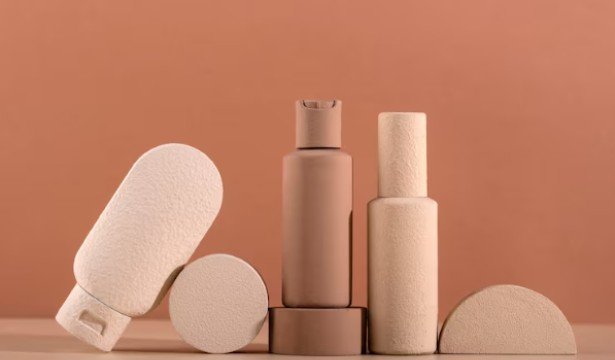
Color is one of the fastest ways to communicate emotion. Soft blue can feel calming. Green can suggest nature or freshness. White can feel clean and clinical. Black, gold, and deep neutral tones can make beauty packaging feel more luxurious.
Keep Label Design Clear and Trustworthy
Health and beauty labels should never feel crowded. Shoppers want to quickly understand what the product is, who it is for, and why it is useful.
The front label should highlight the product name, main benefit, size, and one or two important details. The back label can include ingredients, directions, warnings, and brand information. Clean spacing, readable fonts, and organized sections make the product feel more professional.
Choose Materials That Fit the Formula
Packaging materials should protect the product and support the brand image. Glass works well for premium serums, oils, and fragrances because it feels elegant and protects many formulas. PET and other bioplastic options can work for shampoos, lotions, and everyday products because they are lightweight and practical.
Paperboard is useful for outer boxes, gift sets, and retail displays. Aluminum and refillable packaging can help brands that want a modern, sustainable image. The best choice depends on cost, product stability, shipping needs, and customer expectations.
Make Sustainability Easy to Understand
Many buyers care about eco-friendly packaging, but they also want clear information. If a package is recyclable, refillable, reusable, or made with reduced plastic, say it clearly.
Avoid vague claims like “green” or “earth-friendly” without proof. Specific statements feel more honest. For example, a brand can mention recyclable cartons, refill pouches, reduced plastic pumps, or responsibly sourced paperboard.
Add Premium Finishes Without Overdesigning
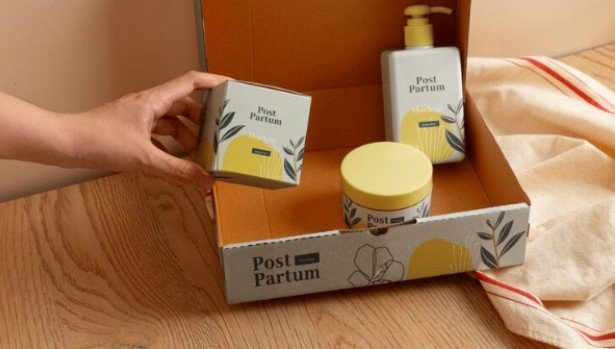
Foil stamping, embossing, matte coating, soft-touch finishes, and textured labels can make packaging feel more expensive. These details work well for cosmetics, skincare, fragrance, and giftable beauty products.
However, too many finishes can make the design messy. I prefer using one or two premium details with purpose. A small foil logo or embossed brand mark often looks better than a package overloaded with shine and decoration.
Design for Function, Hygiene, and Daily Use
A beautiful package still needs to work well. Pumps should dispense smoothly. Caps should close tightly. Droppers should feel controlled. Tubes should be easy to squeeze. Jars should feel hygienic and secure.
Health and beauty shoppers notice small frustrations quickly. If a product leaks, spills, sticks, or feels hard to open, the packaging damages the whole brand experience.
Think About Shelf Appeal and Online Appeal
Retail packaging must stand out on shelves. Ecommerce packaging must look good in photos and survive shipping. A strong design should work in both places.
For shelves, contrast, shape, and clear labeling matter. For online selling, the product should photograph well, show benefits clearly, and create a strong unboxing moment. Inserts, clean cartons, and protective packaging can make the delivery feel more premium.
Avoid Common Packaging Mistakes
Many brands make the mistake of using tiny text, confusing claims, weak color contrast, or packaging that does not match the price point. Another common issue is copying luxury brands too closely, which makes the product feel less original.
Greenwashing is another mistake. If sustainability claims are unclear or exaggerated, shoppers may lose trust. Packaging should feel honest, useful, and aligned with the product inside.
Health and Beauty Packaging Checklist
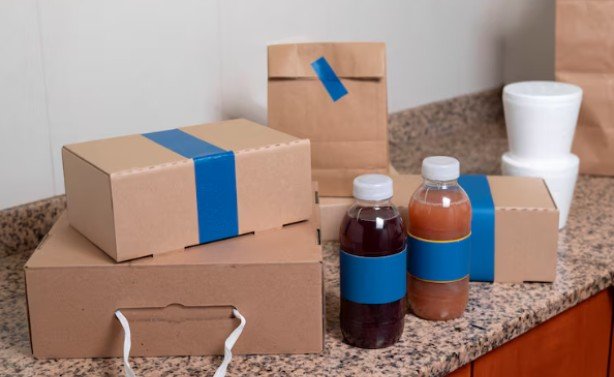
A strong package should answer a few simple questions. Is the product easy to identify? Is the main benefit clear? Does the design match the buyer’s lifestyle? Are the ingredients and directions readable? Does the material protect the formula? Does it feel worth the price? When those answers are strong, the packaging becomes more than a container. It becomes part of the sales strategy.
Frequently Asked Questions
1. What are the best Packaging Design Tips for Health and Beauty Products?
The best tips are to keep labels clear, choose colors that match the product promise, use safe and practical materials, highlight key benefits, and make the packaging feel clean, trustworthy, and easy to use.
2. What makes beauty packaging look premium?
Premium beauty packaging often uses clean typography, strong spacing, glass bottles, matte finishes, foil details, embossed logos, and a simple color palette. The design should feel elegant without looking crowded.
3. Why is sustainable packaging important for beauty brands?
Sustainable packaging helps brands appeal to conscious buyers. It can reduce waste, improve brand trust, and make the product feel more modern when the claims are clear and honest.
4. How can small brands improve packaging on a budget?
Small brands can improve packaging by using better label design, clearer product claims, strong color choices, quality photography, neat outer boxes, and simple finishes instead of expensive custom structures.
Final Touch Before the Product Hits the Shelf
I always see packaging as the silent salesperson of a health and beauty product. It speaks before the formula, price, or reviews get a chance.
When the design feels clear, clean, attractive, and trustworthy, shoppers feel more confident buying. That is why smart packaging is not just about looking good. It helps a product earn attention, build trust, and create a better customer experience from the first glance.