

Commercial printing plays a critical role in how businesses communicate, market, and build their brand identity. From brochures and business cards to large banners and product packaging, it enables companies to produce high-quality printed materials at scale.
If you’re wondering what is commercial printing, this guide will walk you through its meaning, methods, applications, and how it differs from other types of printing.
What Is Commercial Printing?
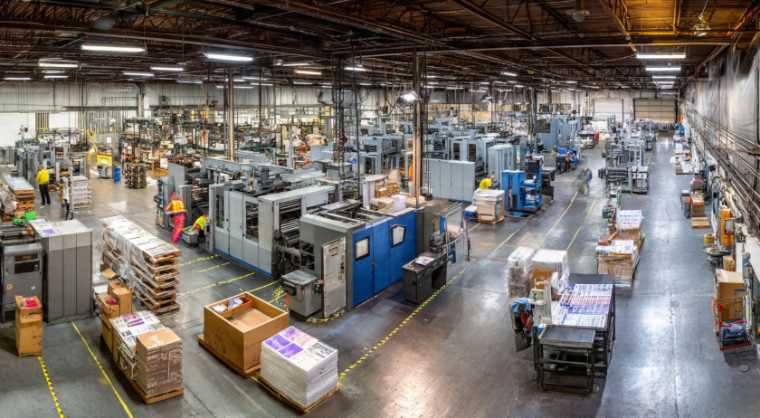
It refers to the large-scale production of printed materials for business use. It involves professional printing services that use advanced machinery and techniques to produce high volumes of consistent, high-quality output.
Unlike desktop printing, which is limited to small-scale or personal use, commercial printing is designed for bulk production, precision, and professional-grade results. Businesses rely on commercial printers for marketing materials, operational documents, and branded assets.
Commercial printing is essential for companies that need reliable, scalable, and visually consistent printed products.
Key Methods Used in Commercial Printing
Commercial printing uses several advanced techniques depending on the project size, material, and customization needs.
- Offset lithography is widely used for large print runs and delivers high-quality, consistent results
- Digital printing is ideal for short runs, quick turnaround times, and personalized printing
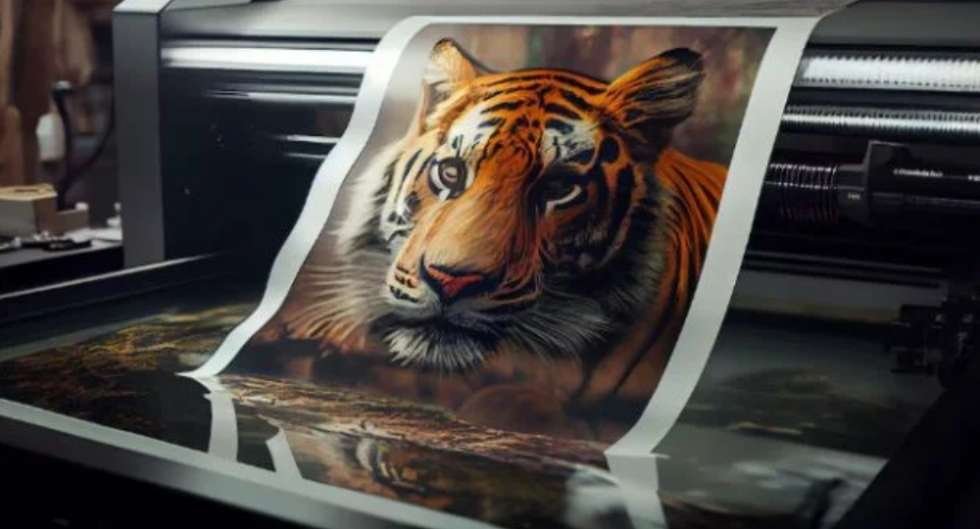
- Large format printing is used for banners, posters, signage, and billboards
- Flexography is commonly used for packaging materials such as labels and cartons
Each method serves a specific purpose. Businesses choose the technique based on volume, cost, turnaround time, and design requirements.
Types of Products Created Through Commercial Printing

It covers a wide range of business materials across industries. These include both marketing and operational assets.
- Marketing materials such as brochures, flyers, catalogs, and posters
- Corporate stationery including business cards, letterheads, and envelopes
- Publishing materials like magazines, books, and journals
- Packaging products such as labels, boxes, and wrappers
- Promotional items like banners, signage, and trade show displays
These printed materials help businesses maintain brand consistency and communicate effectively with customers.
Industries That Use Commercial Printing
It is used across almost every industry. Businesses depend on it for branding, communication, and marketing.
Retail companies use it for packaging, promotional materials, and signage. Healthcare organizations rely on it for patient information, forms, and brochures.
Educational institutions use it for books, course materials, and certificates. Real estate firms need brochures, flyers, and property listings. Financial institutions use printed documents for reports, statements, and marketing campaigns.
This wide application makes it a foundational service for business operations.
How Commercial Printing Works
The process involves multiple stages to ensure high-quality output. It begins with design and ends with finished printed materials ready for distribution.
The first step is prepress, where the design is prepared for printing. This includes formatting, color correction, and proofing to ensure accuracy. Once approved, the printing stage begins using the selected method such as offset or digital printing.
After printing, the finishing stage adds the final touches. This may include cutting, folding, binding, laminating, or coating. These finishing processes enhance the appearance and durability of the printed materials.
The entire workflow is optimized for efficiency, consistency, and scalability.
Services Offered by Commercial Printing Companies

These companies offer more than just printing. They provide end-to-end solutions to support businesses.
Prepress services help prepare designs and ensure print readiness. Printing services handle the actual production using advanced equipment. Finishing services include binding, trimming, and special coatings. Some providers also offer distribution and mailing services.
These additional services make commercial printing a complete solution for businesses looking to streamline their printing needs.
Benefits of Commercial Printing for Businesses
Commercial printing offers several advantages that make it essential for professional communication.
High-quality output ensures sharp images, accurate colors, and professional presentation. Bulk production reduces cost per unit, making it cost-effective for large orders. Consistency ensures that all printed materials maintain the same design and branding standards.
It also supports scalability, allowing businesses to handle large campaigns or product launches efficiently. Professional finishing options add durability and visual appeal, enhancing the overall impact of printed materials.
Commercial Printing vs Desktop Printing
One of the most common questions is how it differs from desktop printing.
Desktop printing is suitable for small, personal, or office use. It uses basic printers and is limited in quality, volume, and format size. Commercial printing, on the other hand, uses industrial-grade equipment to produce high-quality materials in large quantities.
It also offers advanced finishing options and supports a wider range of materials and formats. This makes it the preferred choice for businesses that require professional results.
Commercial Printing vs Industrial Printing
Commercial printing and industrial printing are often confused, but they serve different purposes.
It focuses on marketing, branding, and communication materials such as brochures, catalogs, and packaging. Industrial printing is used in manufacturing processes, such as printing on textiles, electronics, or specialized materials.
Industrial printing is more technical and production-focused, while commercial printing is designed for business communication and marketing.
Choosing the Right Printing Method
Selecting the right method depends on your business needs. For large print runs with consistent design, offset printing is the best option. For smaller quantities or personalized materials, digital printing is more efficient.
Large format printing is ideal for visual displays, while flexography works best for packaging. Understanding your requirements helps you choose the most cost-effective and suitable method.
Frequently Asked Questions
What is considered commercial printing?
It includes any large-scale printing done for business purposes. This covers marketing materials, packaging, corporate stationery, and publications produced using professional printing equipment.
What are the four types of printing?
The four common types are offset printing, digital printing, large format printing, and flexographic printing. Each type is used for different applications based on volume and material.
How does commercial printing work?
It works through a process that includes design preparation, printing using specialized machines, and finishing steps like cutting, binding, and laminating to produce final materials.
What is the difference between industrial printing and commercial printing?
It focuses on business communication and marketing materials, while industrial printing is used in manufacturing processes such as printing on fabrics, electronics, or specialized surfaces.
Why Commercial Printing Still Matters in a Digital World
Even in a digital-first environment, printed materials continue to play a powerful role in branding and communication. Physical materials create a tangible connection with customers, making marketing campaigns more memorable and impactful.
Understanding what is commercial printing helps businesses choose the right tools for their communication strategy. Whether you need brochures, packaging, or large-scale signage, it provides the quality and scalability required for professional results.
As printing technology evolves, businesses also explore related processes like what is digital printing process to achieve faster turnaround and greater customization, ensuring they stay competitive in a rapidly changing market.