
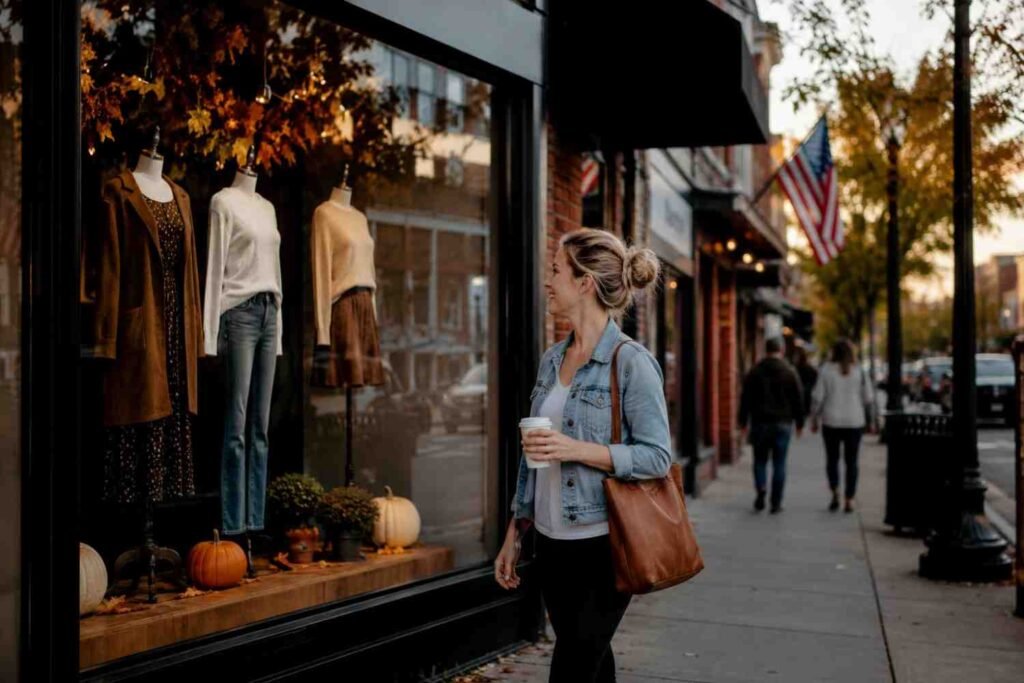
You’ve probably seen it happen. People walk past your store, glance for a second, and keep moving. No pause, no curiosity, nothing. It’s frustrating, especially when you know your product is solid, your pricing is fair, and your store looks decent from the inside.
The truth is, foot traffic isn’t just about location anymore. It’s about interruption. If your display doesn’t interrupt someone’s movement visually or mentally, they won’t even register your store. The good part? You don’t need a big budget to fix that. You just need smarter display marketing for foot traffic.
Why Most Store Displays Get Ignored
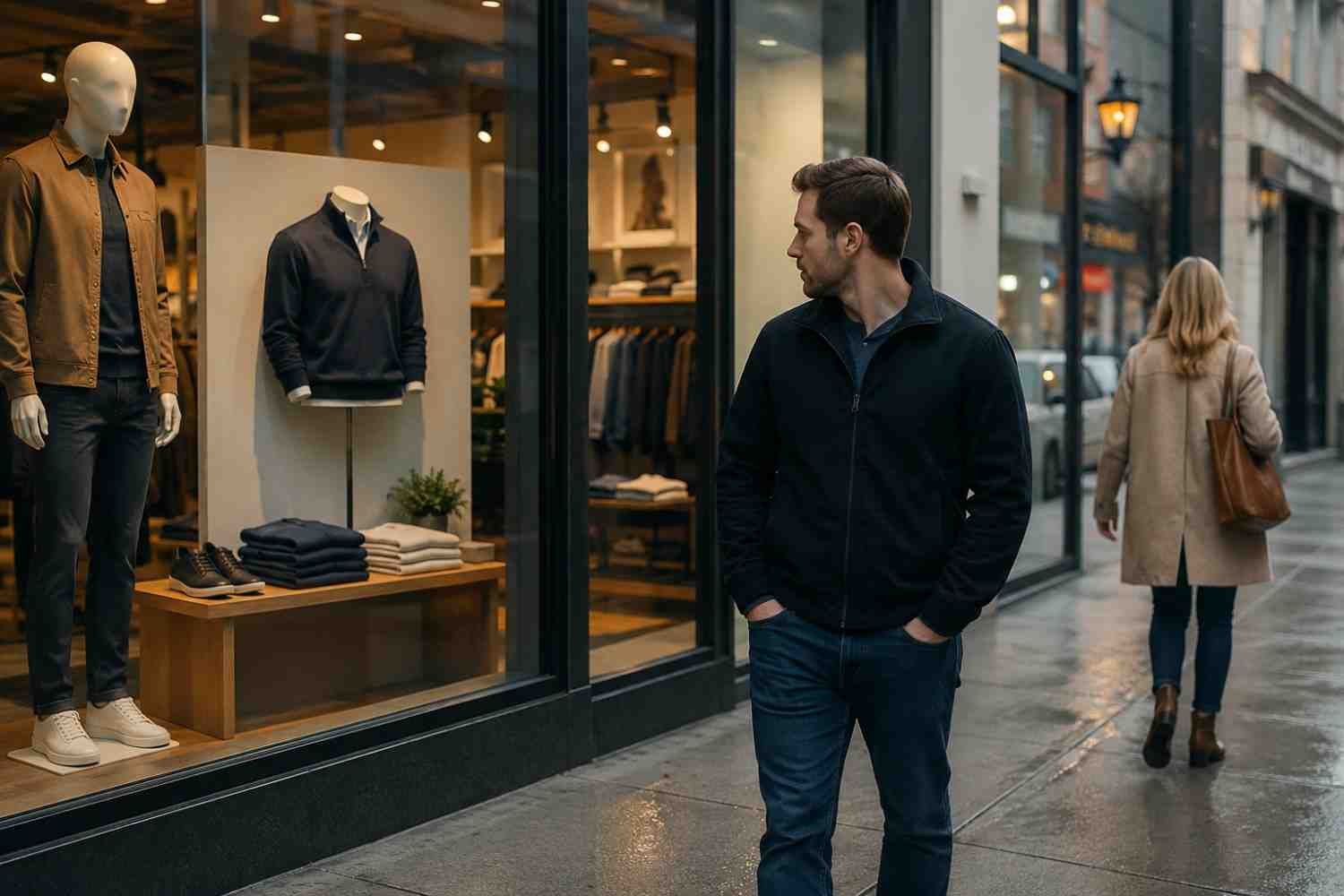
Most storefronts fail for a simple reason: they blend in.
Generic signage, cluttered windows, or outdated displays don’t give people a reason to stop. And once your display becomes “invisible,” even regular passersby stop noticing it completely.
There’s also a second issue: many stores focus on looking good instead of being noticeable. But in a busy street environment, attention always comes before aesthetics.
What Actually Makes People Stop Walking
People don’t stop because something looks nice. They stop because something feels different.
That difference can come from:
- Movement
- Clear messaging
- Visual contrast
- Curiosity-driven elements
Your goal isn’t to impress, it’s to interrupt just enough to earn a second look. That second look is where the entry begins.
Low-Cost Display Ideas That Actually Work
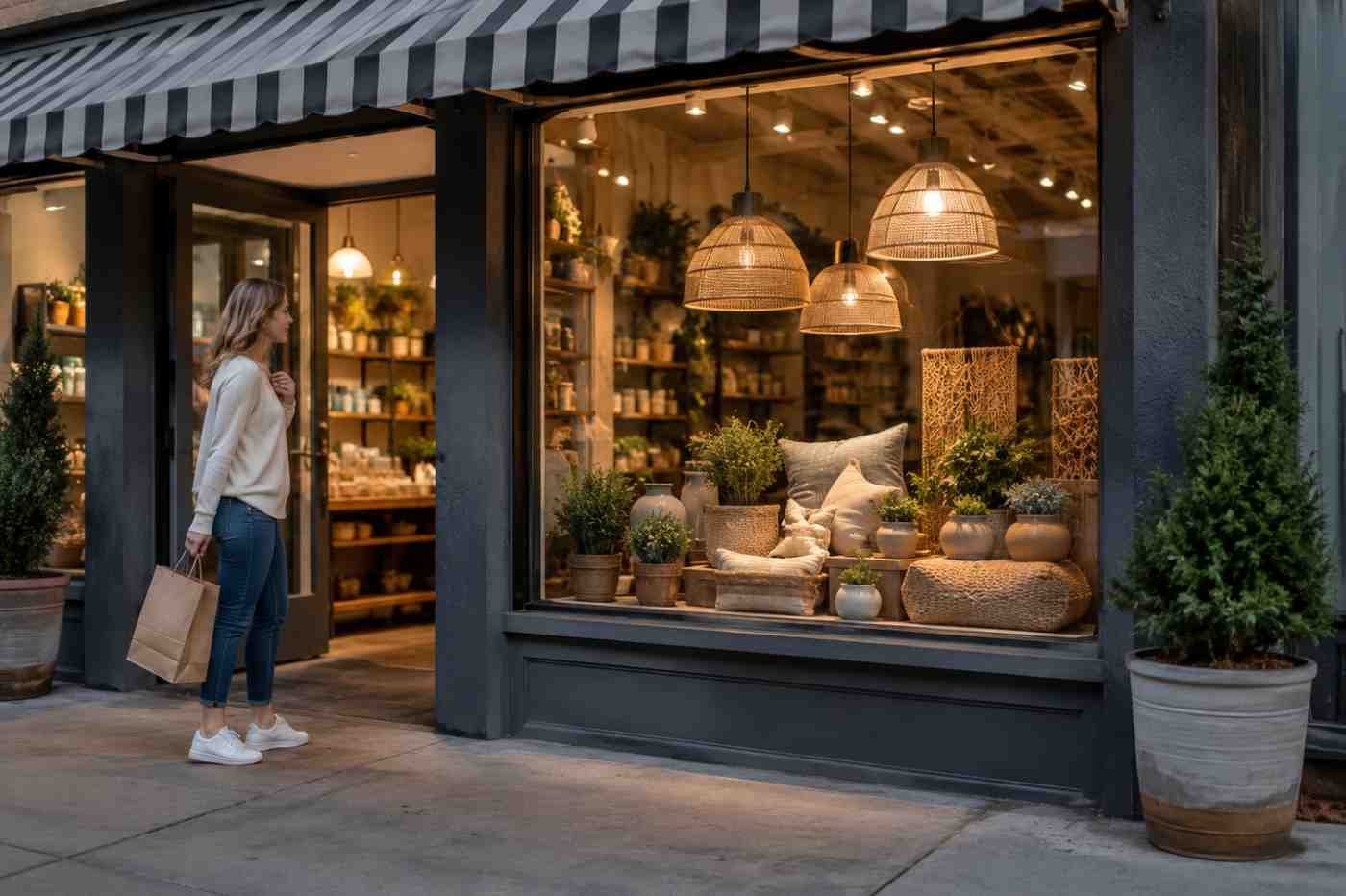
You don’t need expensive setups. Some of the most effective display tactics are simple but intentional.
Use Sidewalk Displays to Create a Pause
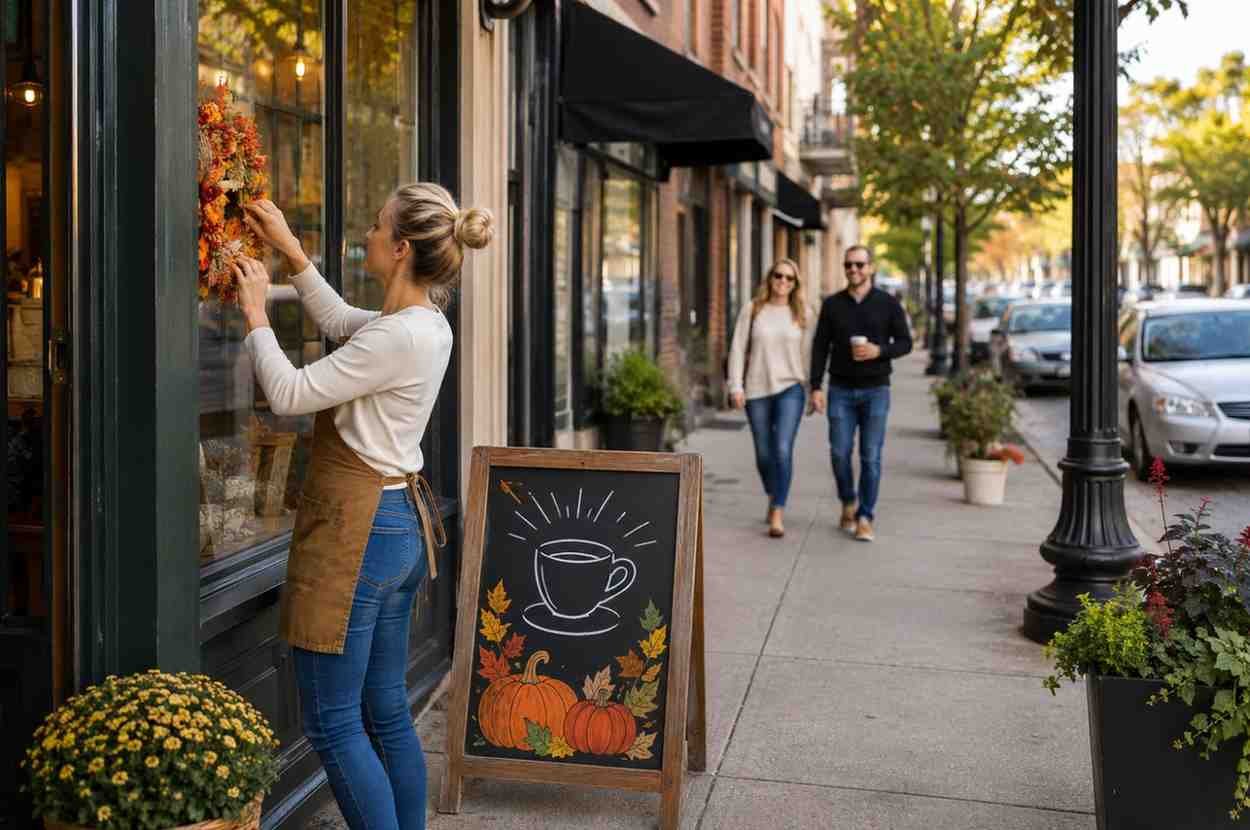
A-frame boards or sandwich signs work because they step into the customer’s path literally.
But the message matters more than the board itself. Instead of generic offers, use something that sparks curiosity or feels immediate. Think daily deals, quick benefits, or even slightly playful messaging.
Focus on Eye-Level Product Placement
Where you place your products changes how people perceive your store.
Items displayed around eye level naturally attract more attention. When key products are visible from outside without effort, people are more likely to engage.
This is one of the simplest adjustments that can noticeably increase walk-ins.
Add Movement Without Overcomplicating It
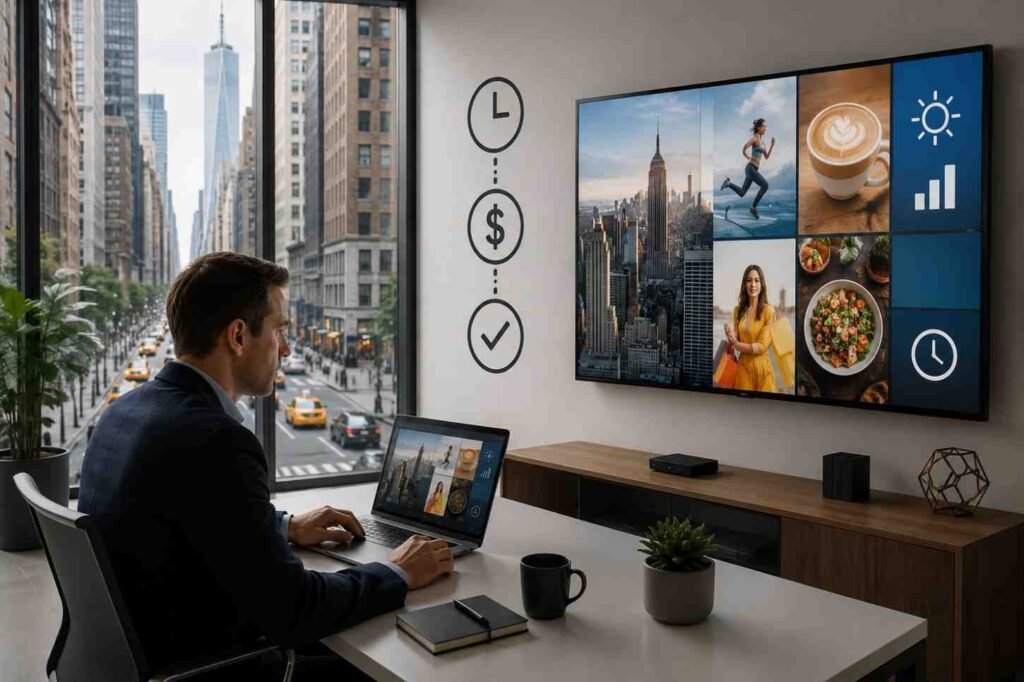
Static displays fade into the background. Movement grabs attention instantly.
This doesn’t mean expensive screens. Even simple elements like:
- Flag banners
- Light animations
- Subtle motion displays
can make your storefront feel alive instead of static.
Refresh Displays More Often Than You Think
One of the biggest mistakes is leaving the same display for too long.
People who pass your store regularly stop noticing it after a point. Changing your window setup every couple of weeks keeps things fresh and gives people a reason to look again.
Bridging Offline Displays With Digital Attention
Foot traffic doesn’t start only on the street anymore. It often begins online, even for physical stores.
Use Hyper-Local Targeting
Instead of running broad campaigns, focus on people who are already nearby.
Geo-targeted ads can show your store to people within a specific radius. This works especially well when someone is already in the area and deciding where to go next.
Make Your Store Visible on Maps
Many people discover nearby stores while actively searching.
Keeping your business profile updated with accurate information, photos, and availability increases the chances of someone choosing your store over others.
Offer Store-Only Incentives
Give people a reason to visit physically.
Simple offers like:
- In-store discounts
- Free samples
- Limited-time deals
help convert online attention into actual visits.
Local Visibility Still Matters More Than You Think
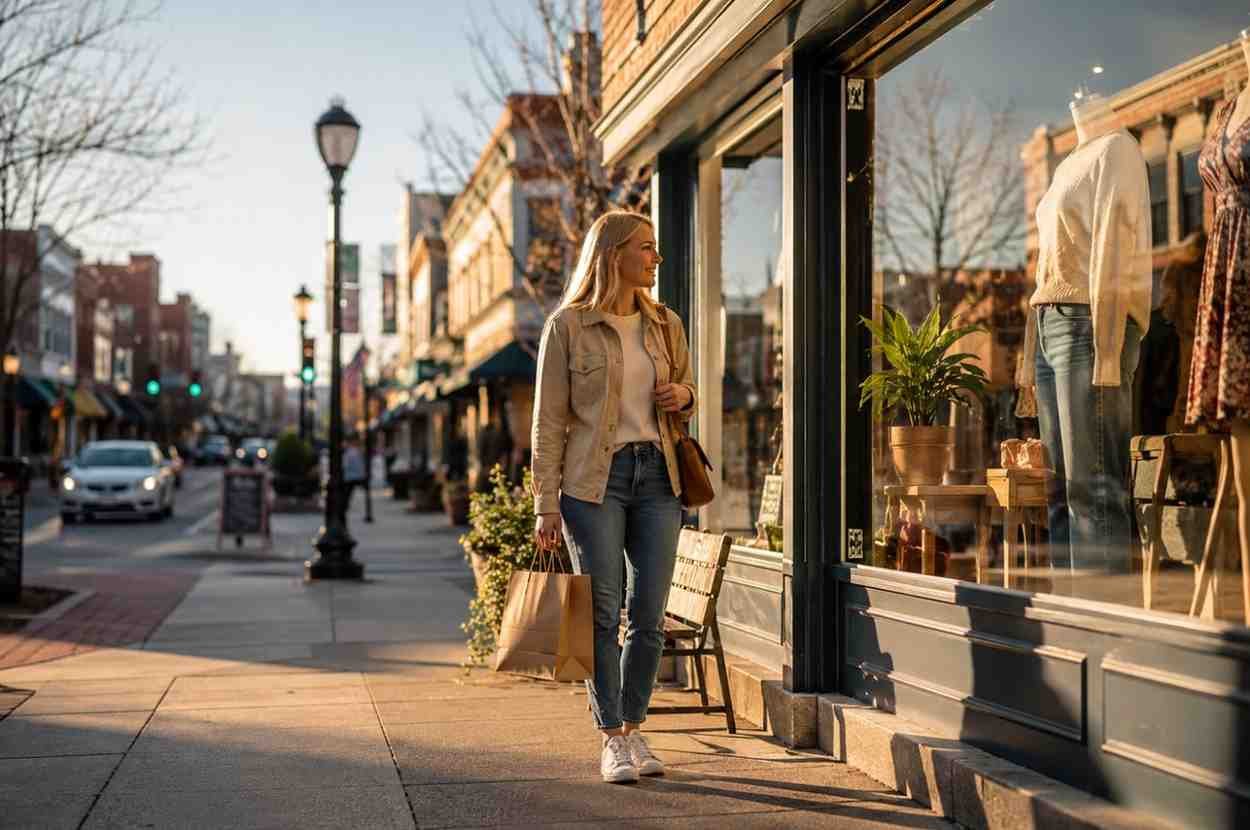
Even with digital tools, physical presence in your immediate area plays a huge role.
Partnering with nearby businesses, exchanging visibility, or creating something shareable inside your store can extend your reach without increasing your budget.
Some stores create small “photo corners” or interactive spots that naturally encourage visitors to share their experience. Over time, this builds organic visibility.
What Happens After They Walk In Matters Just As Much
Getting people inside is only half the job.
Once they enter, the experience needs to support their decision. If the inside feels disconnected from what they saw outside, the effect breaks instantly.
This is where retail display engagement strategies become important, not just to attract people, but to keep them interested once they’re inside.
Small Changes That Bring Better Results
You don’t need a full redesign to improve foot traffic. You need better alignment between attention and action.
Focus on:
- Making your display noticeable first
- Keeping messaging clear and immediate
- Updating visuals regularly
- Connecting online visibility with physical presence
These adjustments may seem small, but they directly affect how many people stop, look, and walk in.
FAQs: Practical Display Marketing for Foot Traffic Without Overspending
1. What is display marketing for foot traffic?
It refers to using physical and digital displays to attract people nearby and encourage them to enter a store.
2. Do I need expensive displays to increase foot traffic?
No. Simple, well-placed displays with clear messaging often perform better than expensive but cluttered setups.
3. How often should I change my store display?
Ideally, every two to three weeks to keep it fresh and noticeable for regular passersby.
4. Can digital marketing really increase in-store visits?
Yes. Local targeting, map visibility, and in-store offers can significantly influence physical foot traffic.
Final Thoughts
Display marketing for foot traffic isn’t about doing more; it’s about doing the right things more intentionally. When you shift your focus from “looking good” to “getting noticed,” your storefront starts working the way it should.
The biggest difference comes from understanding behavior. People don’t stop unless something catches them off guard. Once you start designing for that moment, everything else, curiosity, entry, and even conversion begin to follow naturally.