
I’ve personally noticed that some products immediately feel more trustworthy, premium, or exciting before I even read the label. That instant reaction explains exactly why packaging design affects sales has become one of the most important conversations in branding and retail marketing today.
Across the United States, brands now compete in overcrowded stores, packed ecommerce marketplaces, and fast-moving social feeds where consumers make decisions in seconds. Packaging is no longer just a protective layer around a product. It has evolved into a silent salesperson that directly influences customer psychology, buying behavior, perceived value, and long-term loyalty.
Industry research consistently shows that packaging heavily shapes purchasing decisions. Some studies suggest nearly three-quarters of consumers admit packaging design impacts what they buy. Businesses that redesign their packaging strategically often experience measurable increases in conversions, while poorly executed redesigns can cause dramatic revenue losses.
One of the most famous examples involved Tropicana’s 2009 packaging redesign. The company replaced its recognizable orange-with-straw imagery with a minimalist generic look that confused shoppers and weakened shelf recognition. Within two months, sales reportedly dropped by roughly 20%, resulting in losses exceeding $30 million before the company restored the original design.
That example still demonstrates how emotionally connected consumers become to visual packaging familiarity.
Why Packaging Design Influences Buying Decisions So Quickly
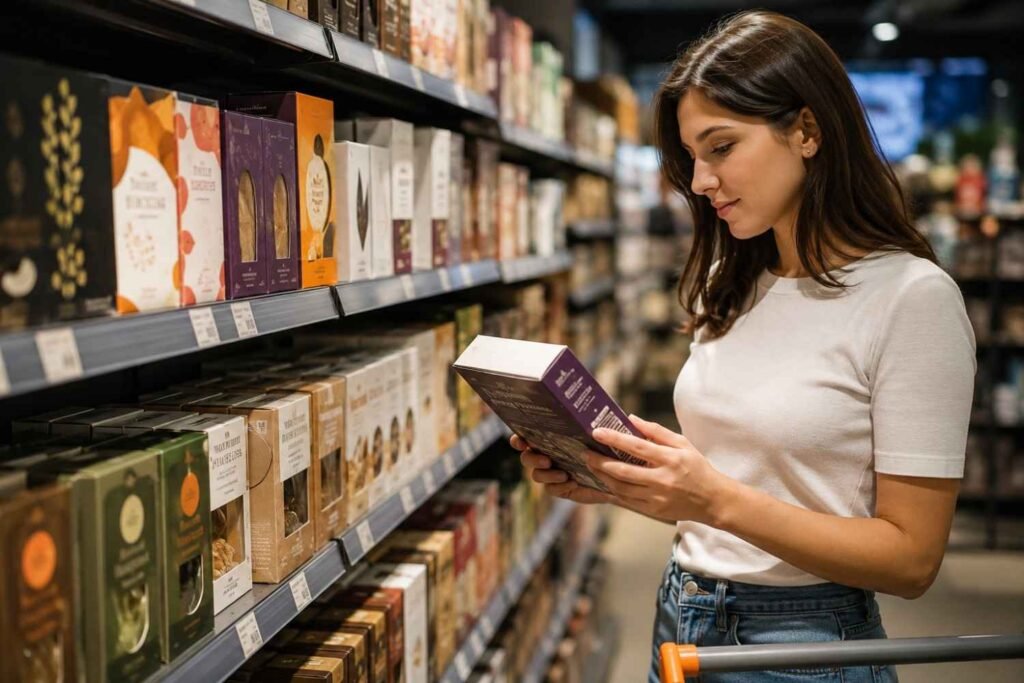
Modern shoppers process visual information almost instantly. Studies regularly suggest consumers form first impressions within seven seconds or less after seeing a product. That tiny window determines whether customers pick up the product, ignore it completely, trust the brand, compare prices, or emotionally connect with the packaging.
Retail environments especially depend on these rapid psychological reactions. Consumers rarely analyze every product logically. Instead, the brain uses mental shortcuts to simplify decision-making. Successful packaging designs strategically influence those shortcuts through color psychology, typography, texture, structure, branding consistency, emotional triggers, and even strong business branding ideas that help products feel more recognizable and trustworthy.
This explains why how packaging design affects sales goes far beyond aesthetics alone.
The Psychology Behind High-Converting Packaging
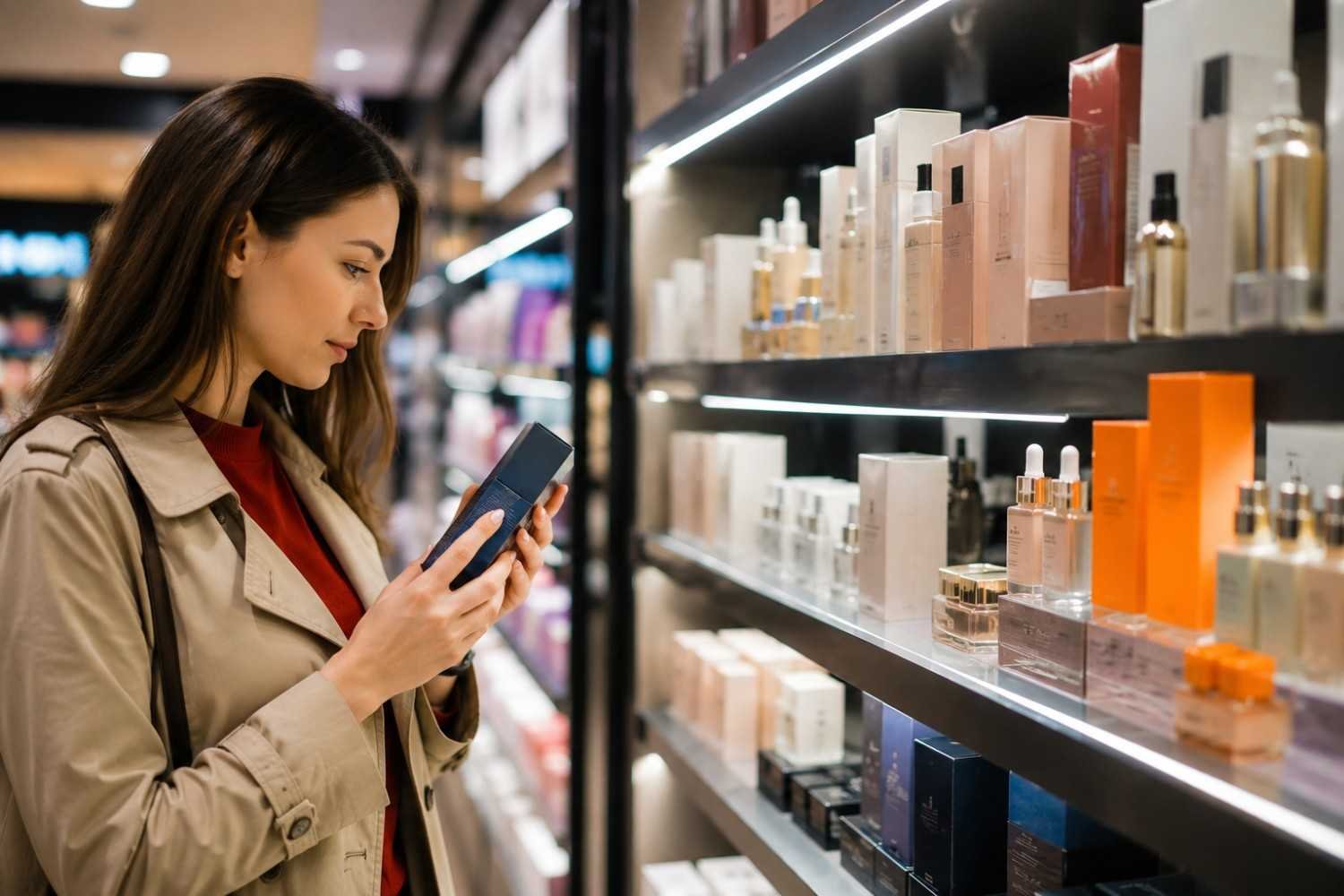
One of the strongest psychological principles influencing packaging success is known as the Halo Effect. When consumers see premium packaging materials, elegant typography, or clean minimalist design, they subconsciously assume the product itself must also be higher quality.
Luxury skincare brands, premium coffee companies, and high-end electronics manufacturers rely heavily on this effect. Matte finishes, textured surfaces, embossed lettering, and sturdy materials create stronger perceptions of value before customers even experience the product itself.
Another important concept is the Von Restorff Effect, sometimes called the Isolation Effect. This principle explains why products that visually break patterns on crowded shelves become easier to remember.
If every competitor uses blue packaging, a bold orange package instantly attracts attention. If most products feel cluttered, a minimalist package often becomes visually dominant.
Impulse buying behavior also plays a major role in retail packaging performance. Some retail analysts estimate impulse purchases account for a massive percentage of in-store buying decisions throughout the United States. Bright colors, limited-edition messaging, transparent cutouts, and emotional imagery often trigger immediate reactions before logical cost analysis even begins.
How Packaging Color Psychology Shapes Consumer Trust
Color psychology remains one of the most powerful packaging tools in modern branding.
Research frequently suggests color may influence up to 85% of immediate purchasing decisions depending on the product category. Different colors trigger different emotional associations inside the consumer’s mind.
Red often creates urgency, appetite, or excitement. Green connects with wellness, sustainability, and environmental responsibility. Black communicates sophistication and luxury. Blue typically reinforces reliability and trustworthiness.
I’ve seen many businesses underestimate how strongly color consistency impacts long-term brand recognition. The most successful brands maintain recognizable palettes across product lines, advertisements, shipping materials, and ecommerce visuals.
That consistency helps consumers instantly identify products even before reading the brand name.
Information Hierarchy Matters More Than Most Brands Realize
Packaging should communicate quickly and clearly.
Consumers generally scan packaging using predictable eye movement patterns. Many packaging strategists describe this as a Z-pattern scanning process, especially on store shelves and mobile shopping screens.
If customers cannot immediately identify:
- the brand
- the product type
- the core benefit
they often experience decision fatigue and move on.
Clean information hierarchy dramatically improves readability and conversions. Successful packaging designs prioritize:
- bold brand visibility
- simple messaging
- strong contrast
- readable typography
- uncluttered layouts
Overdesigned packaging frequently performs worse because it overwhelms shoppers with too much information at once.
Why Tactile Packaging Increases Perceived Product Value
Physical touch directly influences customer psychology.
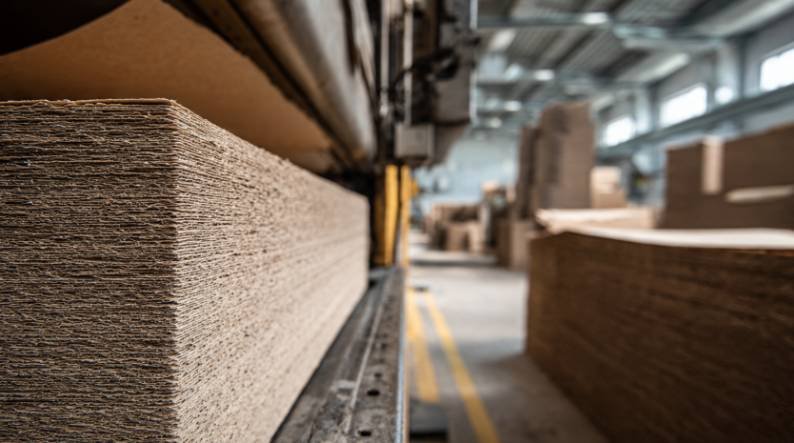
Heavy cardboard, textured finishes, magnetic closures, and embossed details create stronger ownership perception before the product is even opened. Consumers naturally associate tactile quality with product quality.
Cheap flimsy packaging can immediately damage trust, especially for premium-priced products.
This becomes extremely important in industries such as:
- cosmetics
- supplements
- jewelry
- luxury food
- electronics
- subscription boxes
Brands that invest in tactile packaging experiences often justify higher pricing because customers perceive the entire experience as more valuable.
How Packaging Design Impacts Sales Across Retail and Ecommerce
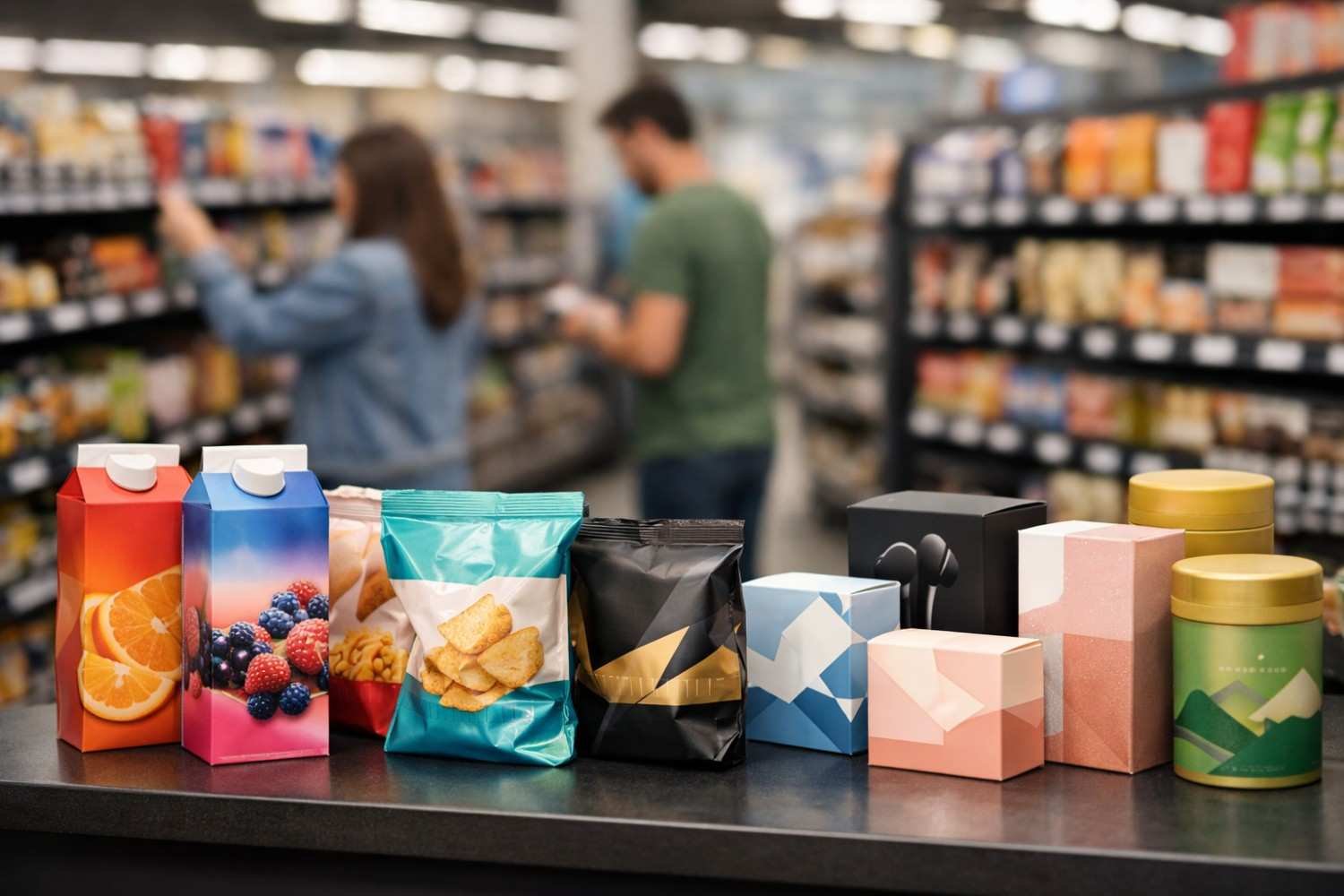
Packaging priorities change depending on where customers buy products.
In physical retail environments, packaging must maximize shelf visibility from several feet away. Large typography, contrast, and recognizable branding become essential because consumers scan shelves rapidly.
Ecommerce packaging operates differently.
Online shoppers first encounter products as tiny smartphone thumbnails. Packaging designs must remain visually clear even at reduced digital sizes. Simple branding, bold visuals, and uncluttered layouts generally perform best for online conversion optimization.
Direct-to-consumer brands now prioritize unboxing experiences almost as heavily as shelf appeal. Social platforms like TikTok, Instagram, and YouTube transformed packaging into shareable content marketing.
Branded tissue paper, thank-you cards, personalized inserts, QR codes, and premium shipping experiences encourage customers to post unboxing videos online, generating organic exposure and emotional brand loyalty.
Sustainability Has Become a Sales Driver
Sustainable packaging is no longer a niche marketing trend in the United States. It has become a major purchasing factor for modern consumers.
Recent consumer research shows many shoppers are willing to spend more on products packaged using recyclable or eco-friendly materials. Sustainability now influences:
- trust
- reputation
- repeat purchases
- customer loyalty
- brand perception
Many consumers actively look for:
- recyclable packaging
- biodegradable materials
- compostable mailers
- soy-based inks
- reduced plastic usage
- FSC-certified paper
Brands that clearly communicate sustainability efforts directly on their packaging often build stronger emotional connections with environmentally conscious buyers.
At the same time, sustainability alone does not guarantee success. Packaging still needs to remain visually appealing, durable, functional, and recognizable.
Functional Packaging Also Increases Repeat Purchases
Structural packaging improvements often influence customer retention more than businesses expect.
Consumers appreciate packaging that improves convenience through:
- resealable pouches
- easy-pour spouts
- durable closures
- portable containers
- stackable designs
Functional packaging reduces frustration while increasing usability.
That usability directly shapes repeat buying behavior because customers remember how easy the product felt to use in everyday life.
Why Consistent Packaging Builds Long-Term Brand Recognition
Some of the strongest brands in America maintain highly recognizable packaging systems across every product category.
Consistency builds familiarity, and familiarity builds trust.
When consumers repeatedly encounter the same:
- typography
- layout style
- visual hierarchy
- colors
- packaging materials
the brand becomes easier to remember.
This long-term recognition eventually reduces customer hesitation during future purchases because familiarity creates psychological comfort.
The Future of Packaging Design and Consumer Behavior
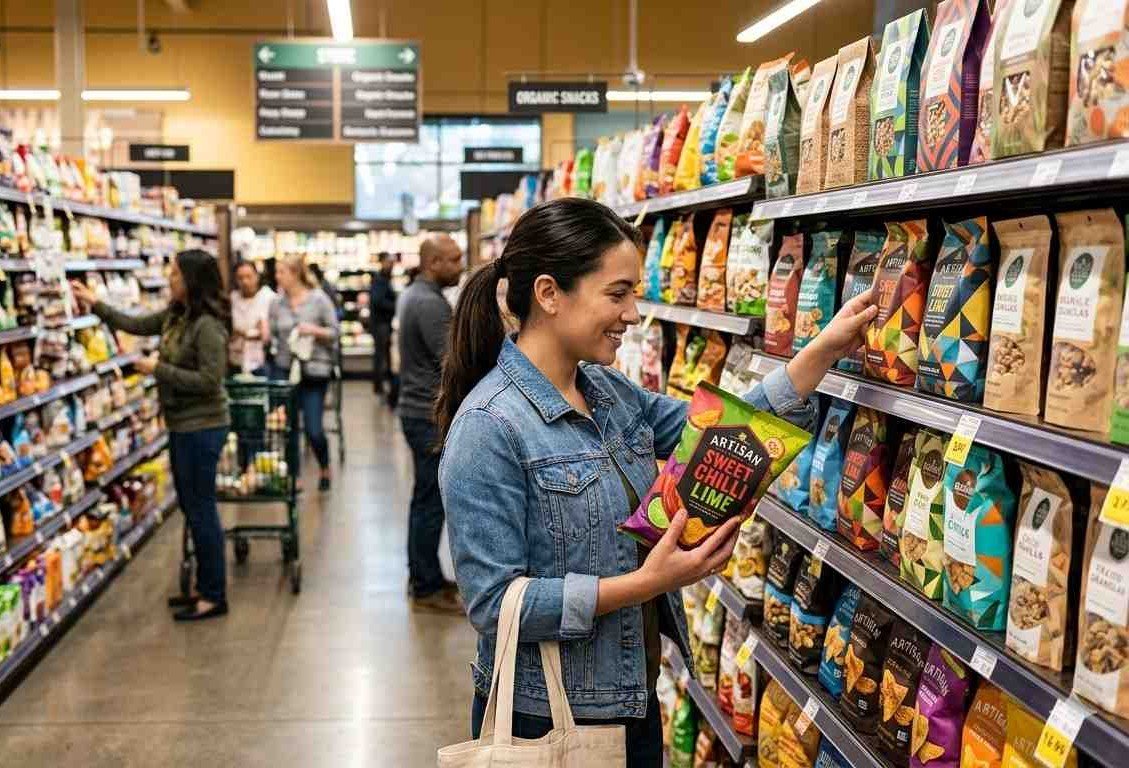
The future of packaging continues evolving alongside technology, ecommerce growth, and shifting consumer expectations.
Brands increasingly experiment with:
- smart packaging
- QR integrations
- augmented reality experiences
- minimalist packaging
- personalized inserts
- interactive labels
- AI-driven customization
- sustainable materials
Consumers now expect packaging to deliver both functionality and emotional experience simultaneously.
Businesses that understand how packaging design affects sales will continue gaining advantages in crowded markets because packaging increasingly shapes customer perception before the product itself ever gets used.
Frequently Asked Questions (FAQs)
1. Why does packaging design influence consumer behavior?
Packaging creates first impressions, emotional reactions, and perceived value within seconds. Strong packaging improves trust, recognition, and buying confidence.
2. What packaging colors increase sales most effectively?
Red often increases urgency, blue builds trust, green supports eco-friendly branding, and black typically reinforces premium positioning depending on the product category.
3. Does sustainable packaging improve customer loyalty?
Yes. Many modern consumers prefer brands that use recyclable and environmentally responsible packaging because sustainability improves brand perception and long-term trust.
4. Why do ecommerce brands focus heavily on unboxing experiences?
Unboxing experiences encourage social sharing, emotional engagement, repeat purchases, and organic marketing exposure across platforms like TikTok and Instagram.
5. How can businesses improve packaging conversions?
Businesses usually improve conversions through stronger branding consistency, cleaner typography, better visual hierarchy, premium materials, and customer-focused functionality.