
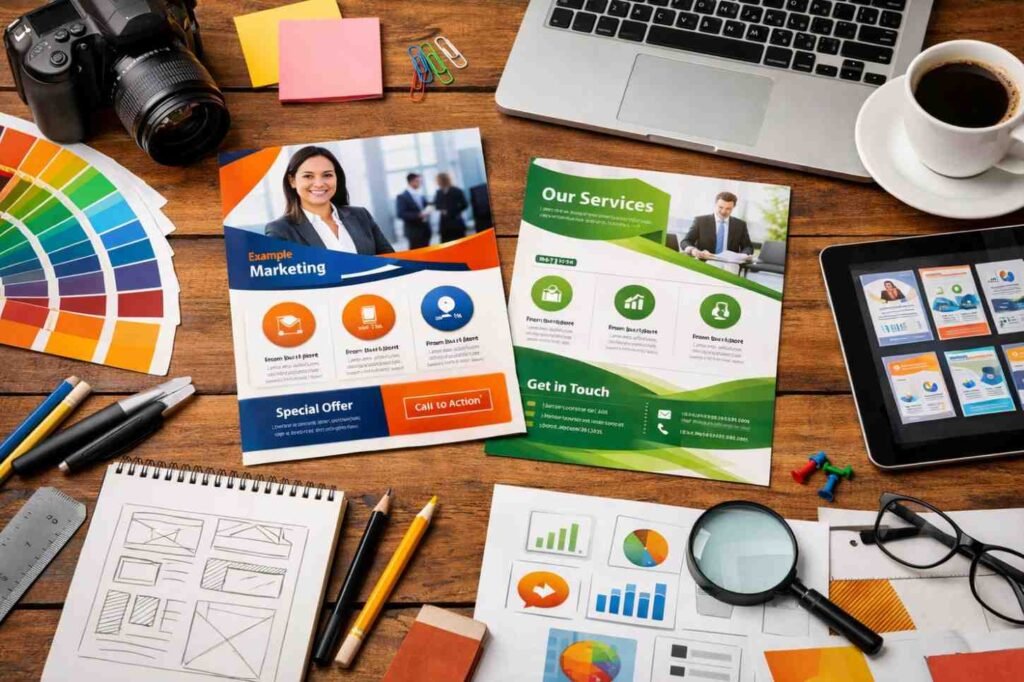
Flyers continue to play a major role in modern marketing because they create something digital ads often cannot: immediate physical attention. While online promotions disappear with a quick scroll, a professionally designed flyer can stay in someone’s home, office, mailbox, or car long enough to influence real purchasing decisions.
That is exactly why restaurants, retail stores, gyms, healthcare clinics, real estate agents, and local businesses across the United States still invest heavily in flyer campaigns.
What I’ve noticed is that the highest-performing flyers are not overloaded with information or distracting visuals. They are built strategically. They focus on one audience, one clear benefit, and one direct call to action.
When strong copywriting is combined with clean layouts, authentic branding, smart color psychology, and digital tools like QR codes, flyers become far more powerful than simple printed advertisements.
Why Flyer Marketing Still Works in the US
Digital advertising dominates modern marketing, but printed flyers continue performing well for local businesses because they create physical visibility. Social media ads disappear in seconds. Flyers stay in homes, offices, vehicles, counters, and community boards much longer.
Restaurants, gyms, medical clinics, retail stores, real estate agents, salons, contractors, and event organizers still rely heavily on direct mail flyers and local distribution campaigns because they help businesses target nearby audiences effectively.
Modern flyer campaigns also work well because they now connect directly with digital platforms using QR codes, promo codes, landing pages, and mobile offers.
Start With One Audience and One Goal
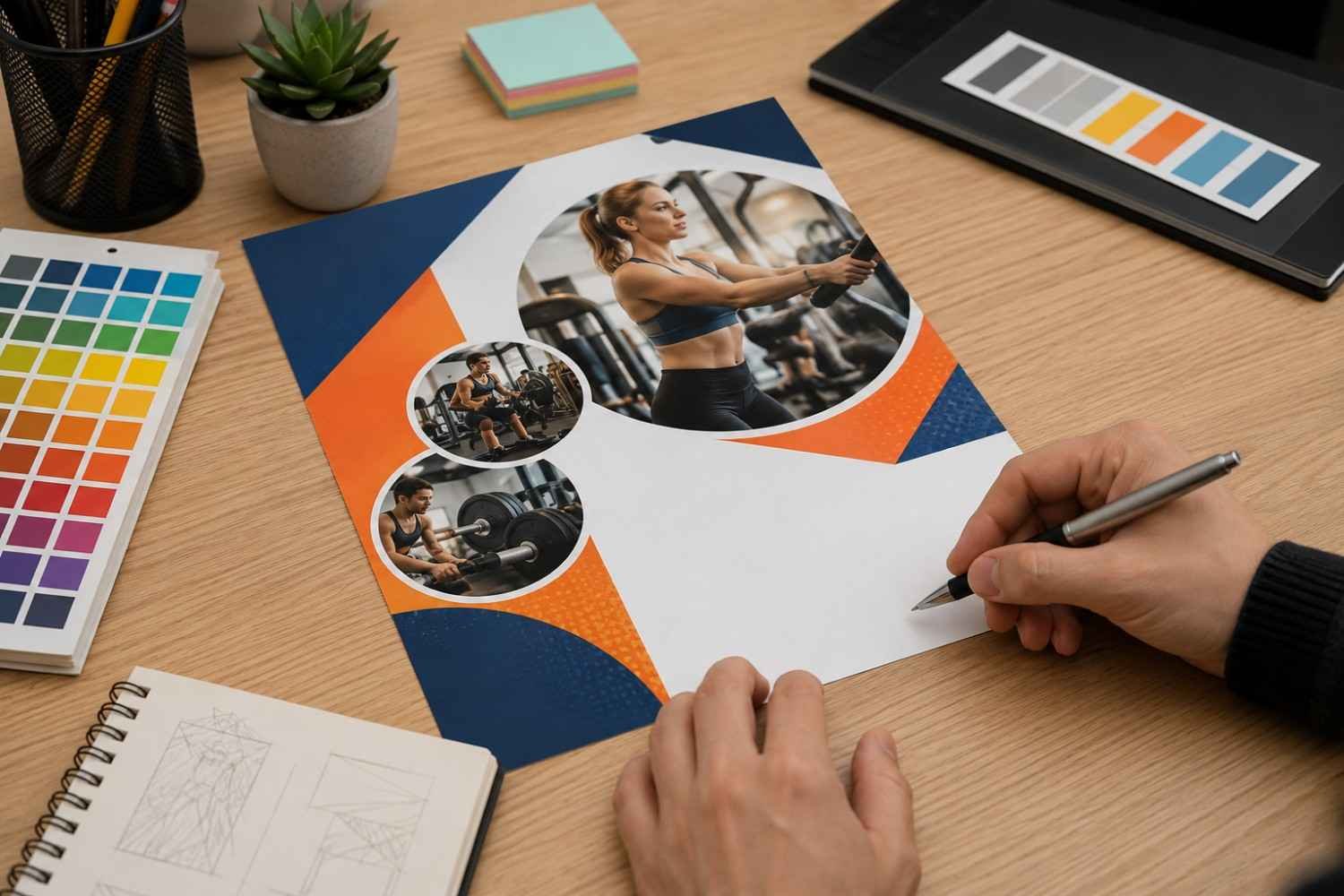
One of the biggest mistakes businesses make is trying to target everyone at once. Strong flyer campaigns focus on one specific audience and one core message.
Before designing anything, I always define:
- Who the flyer is for
- What problem the customer has
- What action I want them to take
A flyer promoting a luxury spa should feel completely different from a flyer advertising a roofing company or nightclub event.
The strongest marketing materials answer one question immediately:
“What is in it for me?”
Customers care about benefits first. If your flyer does not instantly communicate value, most people will ignore it.
Write Headlines That Stop People Immediately
Headlines usually determine whether someone keeps reading or throws the flyer away. The best-performing flyer headlines are short, benefit-focused, and emotionally engaging.
I’ve personally seen better results when headlines stay under 10 words because they are easier to scan quickly.
Examples include:
“Save 40% This Weekend Only”
“Free Consultation for New Customers”
“Your Dream Kitchen Starts Here”
Strong action words also improve performance significantly. Words like “save,” “claim,” “book,” “discover,” and “upgrade” encourage faster decision-making.
Keep the Flyer Copy Short and Persuasive
Many businesses overload flyers with excessive information. That approach usually hurts readability and lowers conversions.
Customers scan flyers instead of reading them carefully. Every sentence should feel direct and useful.
Instead of explaining every service in detail, focus on solving one specific problem.
For example, instead of saying:
“We provide comprehensive residential landscaping solutions for homeowners.”
Say:
“Get a beautiful lawn without spending weekends working outside.”
The second version feels more personal, faster, and emotionally persuasive.
One of the smartest flyer design tips for marketing is keeping the entire message concise enough for someone to understand within seconds.
Create Strong Visual Hierarchy
Visual hierarchy determines where people look first. Without structure, flyers feel confusing and cluttered.
I usually design flyers with this reading flow:
Headline first.
Main visual second.
Benefits third.
Call to action last.
The most important information should always appear larger and more visually dominant. Headlines need larger font sizes than supporting text. Promotional offers should stand out immediately.
White space also matters more than most businesses realize. Empty space improves readability, creates balance, and makes flyers feel more professional.
Use Authentic Images Instead of Generic Stock Photos

Low-quality or overused stock photography immediately reduces trust. Customers can usually recognize generic images instantly.
Businesses across the US now perform better when they use:
- Real products
- Actual staff photos
- Authentic customer experiences
- Original business imagery
Restaurants should use real food photography. Real estate flyers should feature professional property images. Fitness brands should show authentic gym environments instead of staged stock photos.
Trust plays a huge role in flyer engagement.
Choose Fonts and Colors Carefully
Typography directly impacts how professional your flyer feels.
I recommend using no more than two font families because excessive typography creates visual chaos. Clean sans-serif fonts often perform best for readability.
Color psychology also affects customer response. Bright colors work well for entertainment and retail promotions. Luxury brands often perform better with matte finishes, minimal palettes, and sophisticated neutral tones.
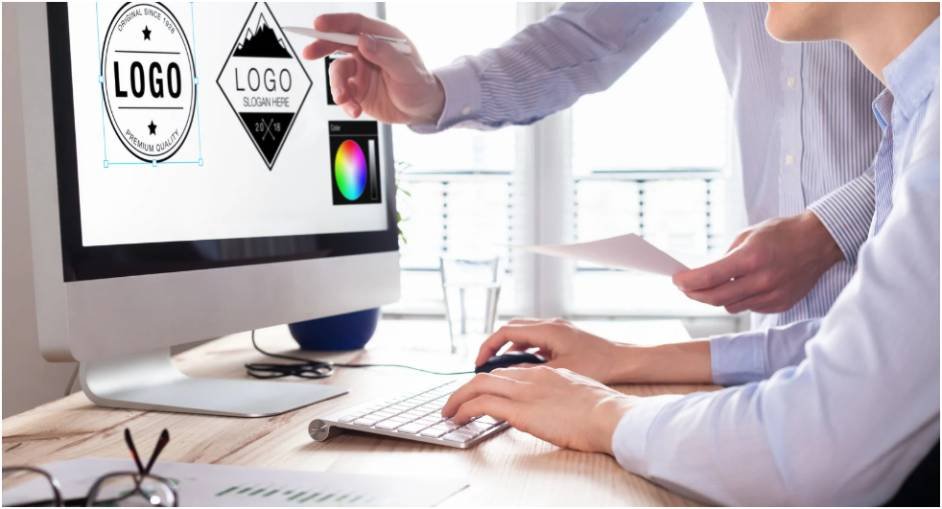
Consistency matters too. Your flyer should visually match your website, signage, social media graphics, packaging, and overall brand identity.
Add a Clear and Direct Call to Action
Many flyers fail because they never clearly tell customers what to do next.
A strong call to action should feel obvious and immediate.
Examples include:
“Call Today for a Free Estimate”
“Scan to Claim Your Discount”
“Book Online Before Friday”
“Visit Our Grand Opening Event”
The strongest flyer campaigns remove confusion completely. Customers should instantly understand the next step.
Connect Print Marketing With Digital Tracking
Modern marketing campaigns perform best when businesses track engagement accurately. One of the most effective flyer design tips for marketing today is integrating QR codes directly into printed materials. QR codes allow businesses to connect physical advertising with online actions instantly.
Businesses investing in branded packaging and custom label printing are also using QR-enabled flyers to create more connected customer experiences across both print and digital marketing channels.
Businesses can use QR codes to direct customers toward:
- Online booking pages
- Restaurant menus
- Event registration forms
- Landing pages
- Promo offers
- Product catalogs
Promo codes also help businesses measure return on investment more accurately.
Use Professional Print Specifications

Design quality alone is not enough. Printing quality also affects customer perception.
Professional flyers should typically use:
- 300 DPI resolution
- CMYK export settings
- Proper bleed margins
- High-resolution images
Glossy coatings often work well for restaurants, nightlife promotions, and retail campaigns because they create vibrant visuals.
Matte finishes usually feel more premium for luxury brands, healthcare companies, consultants, law firms, and real estate professionals.
Paper thickness also impacts how durable and trustworthy a flyer feels.
Common Flyer Design Mistakes That Hurt Conversions
Many businesses unknowingly damage their marketing performance with avoidable design mistakes.
Overcrowded layouts confuse readers. Tiny fonts reduce readability. Weak headlines fail to attract attention. Multiple competing promotions dilute the message.
I also see businesses forgetting mobile behavior. Many customers now scan flyers while multitasking. If people cannot understand your offer quickly, they move on immediately.
The highest-performing flyers usually feel visually clean, emotionally persuasive, and strategically focused.
Frequently Asked Questions (FAQs)
1. What makes a flyer effective for marketing?
A strong flyer uses clear messaging, bold visuals, and one direct call to action that encourages immediate response.
2. Are flyers still effective for small businesses?
Yes, flyers remain highly effective for local promotions, events, restaurants, retail stores, and service-based businesses.
3. What should every marketing flyer include?
Every flyer should include a strong headline, key customer benefit, contact information, and a clear CTA.
Final Thoughts
The businesses generating the strongest results with flyer marketing are not necessarily spending the most money. They are focusing on clarity, psychology, branding, and customer behavior.
Once I started treating flyers as conversion tools instead of simple advertisements, the results improved dramatically. Small improvements in copywriting, layout structure, visual hierarchy, and tracking can completely change campaign performance.
As competition for consumer attention continues increasing across the United States, businesses that combine strategic design with measurable marketing tactics will continue standing out far more effectively than brands using outdated promotional methods.