
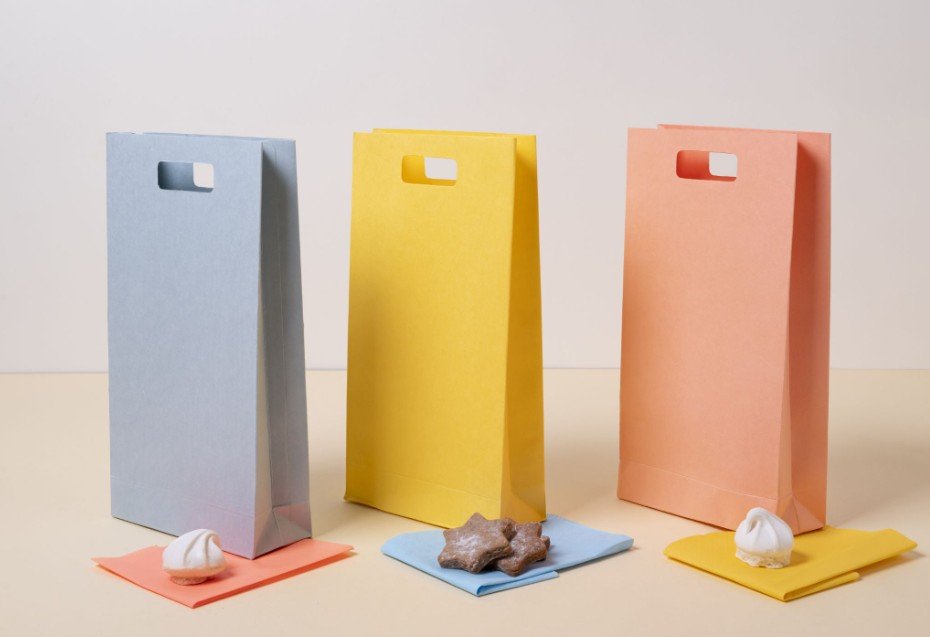
I’ve noticed something interesting over the past few years. The brands creating the strongest shelf presence today are no longer relying on generic “clean” packaging alone. Customers now expect packaging to feel emotional, intelligent, sustainable, and memorable before they even touch the product itself.
That shift is exactly why packaging design trends are evolving faster than ever across the United States. Modern consumers want packaging that reflects transparency, premium quality, environmental responsibility, and even digital connectivity. Businesses that fail to adapt often start looking outdated very quickly, especially in crowded ecommerce and retail markets.
In 2026, packaging is no longer just a protective layer around a product. It has become part of the marketing strategy, customer experience, and brand identity all at once.
Why Packaging Design Is Becoming More Strategic
Packaging now influences far more than shelf appearance. It affects customer trust, social media visibility, unboxing experiences, and long-term brand perception.
Many American consumers make buying decisions within seconds. That means packaging must instantly communicate quality, clarity, and authenticity without overwhelming the buyer.
I’ve personally seen brands improve customer engagement simply by redesigning their packaging to feel more intentional and emotionally connected. Modern packaging now blends psychology, sustainability, and technology together in ways that were uncommon only a few years ago.
The strongest brands today are not simply designing containers. They are designing experiences.
Material-First Sustainability Is Redefining Eco Packaging
Sustainability has shifted far beyond recyclable labels and paper straws. One of the biggest changes happening right now involves material-first packaging systems designed to reduce waste from the beginning.
Many companies are moving toward mono-material packaging, where the entire package uses one recyclable material instead of combining difficult-to-separate layers. Aluminum, paperboard, and simplified plastics are becoming increasingly common because they improve recycling efficiency.
I’m also seeing major innovation around regenerative materials. Seaweed-based films, mushroom-grown mycelium packaging, compostable mailers, and biodegradable protective inserts are becoming more commercially viable across multiple industries.
Another emerging trend involves carbon labeling directly on the package itself. Instead of hiding sustainability information on websites, brands now place carbon footprint data visibly on the front label as part of the design language.
Consumers appreciate honesty and measurable sustainability efforts far more than vague environmental claims.
Dopamine Packaging Is Taking Over Retail Shelves
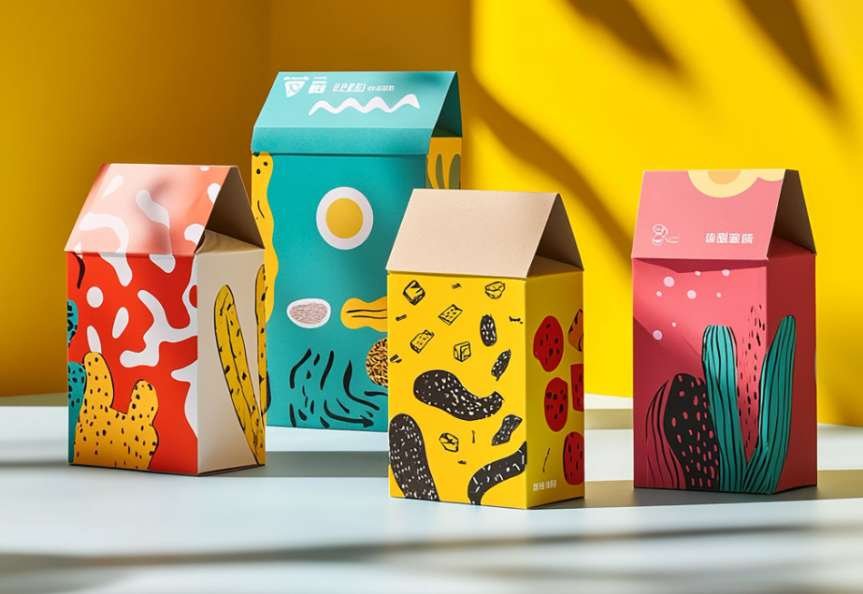
Minimalism still exists, but many brands are now moving toward emotionally stimulating visuals designed to trigger instant excitement.
Bright colors, playful typography, oversized graphics, and intentionally bold contrasts are becoming extremely popular in beauty, beverage, snack, and wellness industries. Designers often call this “dopamine packaging” because it aims to create quick emotional responses that spark curiosity and joy.
This approach works especially well for younger audiences who are heavily influenced by visual culture on TikTok and Instagram.
I’ve noticed that brands using expressive packaging often perform better in social sharing environments because the packaging itself becomes part of the customer experience.
The goal is not randomness. Successful dopamine packaging still follows strong branding principles while feeling energetic and memorable.
Modern Nostalgia Is Creating Emotional Familiarity
Another trend gaining momentum involves combining vintage aesthetics with modern structure.
Instead of fully retro packaging, brands are blending nostalgic elements like 1970s serif typography, 1990s neon color palettes, vintage mascots, and old-school illustrations with modern layouts and cleaner spacing.
This creates familiarity without making products feel outdated.
Consumers often respond emotionally to designs that remind them of earlier memories, especially during uncertain economic periods. Nostalgic packaging can make brands feel comforting, trustworthy, and more human compared to overly corporate competitors.
Food brands, candy companies, coffee roasters, and lifestyle products are using this strategy particularly well across American retail markets.
Tactile Packaging Creates Instant Premium Perception
Physical texture has become one of the most overlooked parts of modern branding.
Today’s premium packaging frequently uses soft-touch coatings, textured paper, foil stamping, embossing, debossing, and layered finishes to create stronger sensory engagement before the product is even opened.
Luxury packaging now focuses heavily on physical interaction because tactile experiences influence perceived value subconsciously.
I’ve personally noticed that customers often associate heavier materials and textured finishes with higher quality products even when the product itself remains unchanged.
This strategy performs especially well for skincare, fragrance, jewelry, electronics, and high-end ecommerce packaging.
The Portal Concept Is Reshaping Smart Packaging
One of the fastest-growing innovations involves turning packaging into a digital gateway.
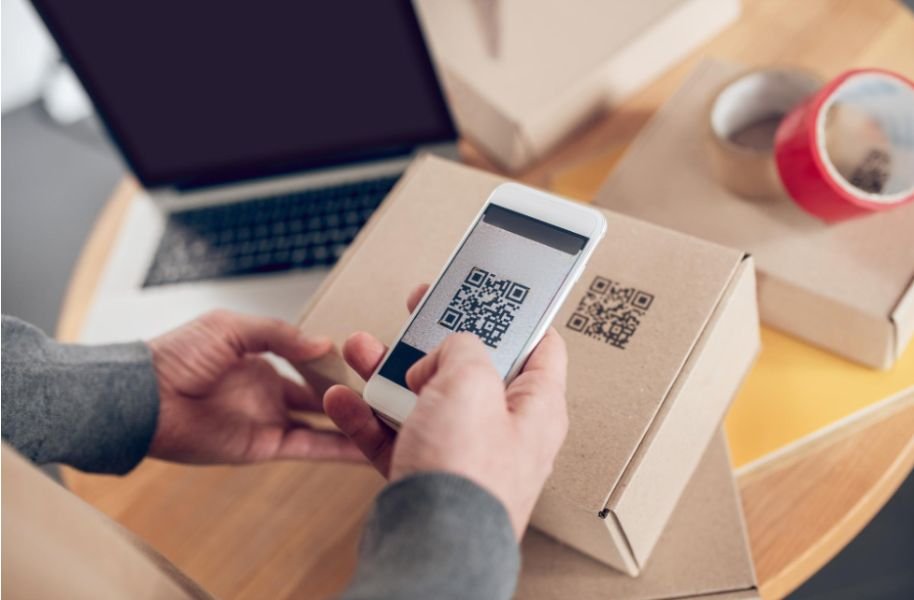
Rather than functioning only as a container, modern packaging now connects customers directly to digital experiences through QR codes, augmented reality, and NFC technology.
Many ecommerce companies are now exploring how QR codes on packaging improve customer engagement by connecting physical products directly to interactive digital experiences, loyalty programs, and personalized brand storytelling.
This “portal packaging” concept allows brands to launch:
Instructional videos
Interactive storytelling
Product authentication systems
Loyalty rewards
Refill reminders
Exclusive digital experiences
High-end products increasingly use NFC chips embedded inside packaging to verify authenticity and fight counterfeiting.
Meanwhile, augmented reality packaging continues growing because consumers enjoy immersive experiences that connect physical products with digital content.
For ecommerce brands especially, smart packaging helps extend customer interaction beyond the original purchase.
Radical Transparency Is Becoming a Branding Advantage
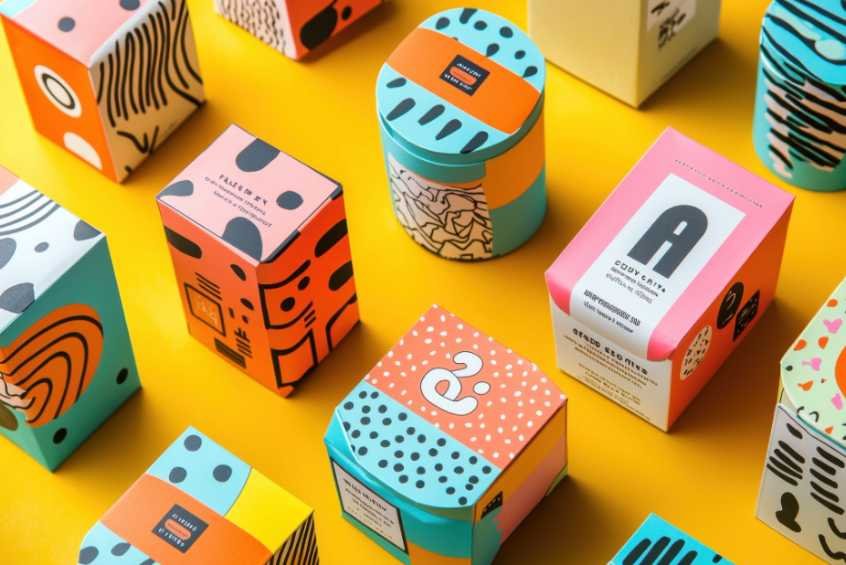
Many consumers no longer trust overly polished marketing language. That is why brands are embracing radical transparency across packaging design.
Instead of complicated visuals, many products now rely on oversized typography, ingredient-first labeling, simplified claims, and honest messaging.
Clear product windows are also returning across multiple industries because customers increasingly want to physically see what they are buying.
This trend works especially well in wellness, beauty, food, and supplement categories where trust directly influences purchasing decisions.
I’ve noticed that simpler, more transparent packaging often feels more authentic than highly overdesigned alternatives.
Customers want clarity, not confusion.
Refillable Prestige Is Changing Luxury Packaging
One of the most exciting luxury packaging movements right now involves refillable prestige systems.
Rather than disposable containers, brands are creating permanent outer vessels made from glass, ceramic, brushed aluminum, or stainless steel. Customers then purchase lightweight refill pods separately.
This strategy combines sustainability with luxury aesthetics.
The outer packaging becomes something customers want to display rather than throw away.
High-end skincare, fragrance, candle, and wellness brands are investing heavily in this model because it improves sustainability while strengthening long-term customer loyalty.
Consumers increasingly appreciate products that feel collectible, reusable, and emotionally valuable.
Ecommerce Is Influencing Packaging More Than Ever
The rise of ecommerce has dramatically changed packaging priorities in the United States.
Packaging now needs to:
protect products during shipping,
look impressive during unboxing,
photograph well on social media,
and reinforce branding immediately.
Many companies are designing packaging specifically for online visibility because user-generated content has become one of the strongest forms of marketing.
Brands that create memorable unboxing experiences often receive free promotion across TikTok, Instagram, and YouTube.
This is one reason why packaging design trends now focus heavily on visual storytelling, layered presentation, and emotional engagement instead of purely functional packaging.
How AI Is Influencing Packaging Development
Artificial intelligence is quietly transforming the design process behind modern packaging.
Many companies now use AI-assisted tools to:
test packaging layouts,
predict customer reactions,
optimize color combinations, and generate multiple design concepts faster than traditional workflows.
AI is not replacing designers. Instead, it is accelerating experimentation and helping brands personalize packaging more efficiently.
Personalized regional packaging, seasonal packaging variations, and limited-edition releases are becoming much easier to produce because digital printing technology continues advancing rapidly.
This flexibility allows brands to stay visually fresh without completely redesigning their identity every year.
What Brands Often Get Wrong About Packaging Trends
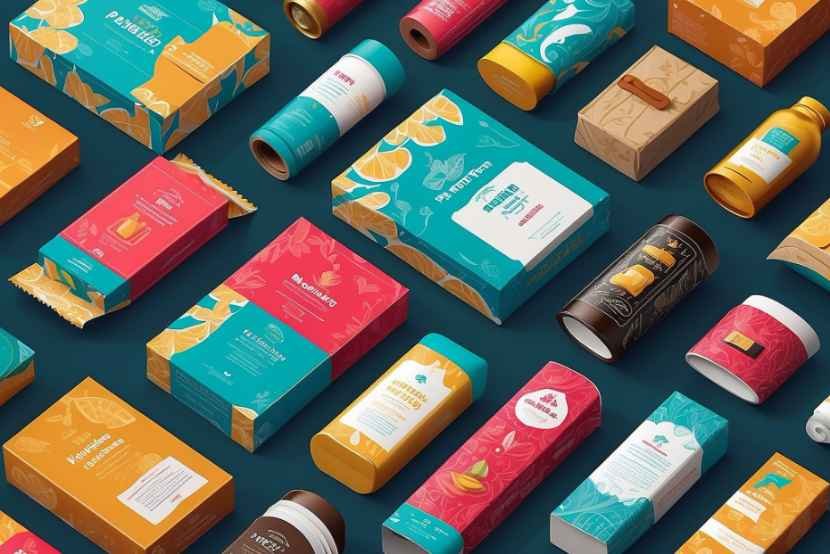
One major mistake I see involves blindly following trends without considering long-term brand consistency.
Not every brand should suddenly adopt neon colors or ultra-minimal layouts simply because competitors are doing it.
The strongest packaging strategies balance:
modern relevance,
functional usability,
brand recognition,
and customer expectations.
Overdesigned packaging can feel confusing. Trend overload can also make brands appear inconsistent or inauthentic.
The goal is not chasing every trend. The goal is adapting thoughtfully while maintaining a recognizable identity customers trust.
Frequently Asked Questions (FAQs)
1.What are the biggest packaging trends in 2026?
The biggest trends include regenerative packaging materials, dopamine packaging, tactile finishes, smart packaging technology, refillable prestige systems, and radical transparency branding.
2.Why is sustainable packaging becoming more advanced?
Consumers now expect measurable environmental responsibility. Brands are moving toward mono-material systems, biodegradable packaging, carbon labeling, and reusable packaging solutions.
3.What is dopamine packaging?
Dopamine packaging uses bold colors, playful shapes, and emotionally stimulating design elements intended to create instant excitement and shelf appeal.
4.How does smart packaging improve customer engagement?
Smart packaging connects customers to digital experiences through QR codes, AR features, NFC chips, loyalty programs, tutorials, and interactive storytelling.
5.Why are refillable packaging systems growing?
Refillable packaging reduces waste while creating premium reusable containers that customers keep long term, especially in beauty, wellness, and luxury markets.
The Future of Packaging Design Looks More Human
The future of packaging feels far more emotional, sustainable, interactive, and experience-driven than ever before. Consumers increasingly want brands to feel honest, environmentally responsible, visually engaging, and technologically connected.
That is exactly why packaging design trends are shifting toward smarter materials, sensory experiences, digital integration, refillable systems, and emotionally driven aesthetics.
Many companies are now using these innovations as part of larger business branding ideas that help products stand out in highly competitive retail and ecommerce markets. Packaging is no longer simply part of the product. For many brands, packaging has become the product experience itself.