
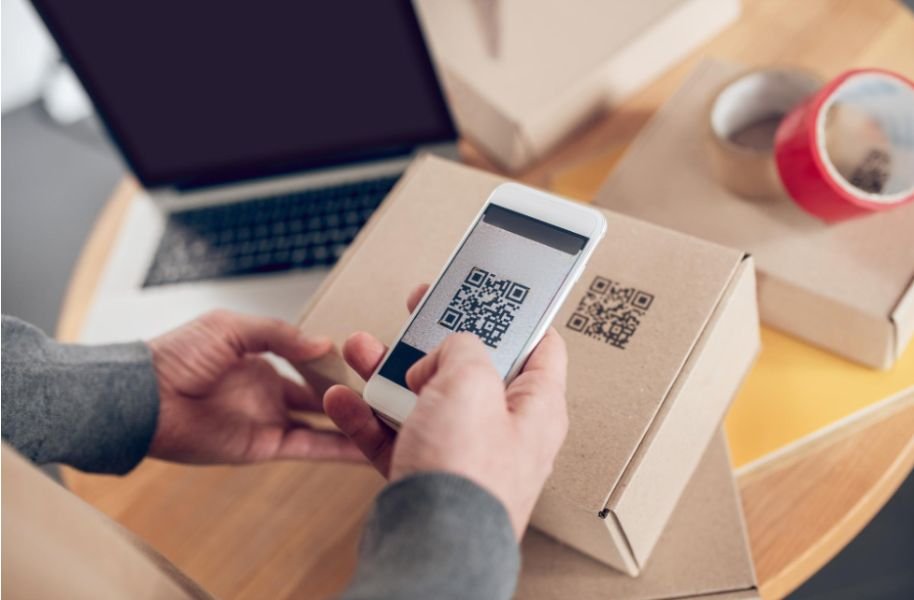
I think packaging ended once a customer picked up a product. Now, I see it differently. A package can start a conversation, answer questions, build trust, and guide buyers toward the next step. That is exactly How QR Codes on Packaging Improve Customer Engagement in today’s retail world.
A simple scan can turn a printed box, label, pouch, or bottle into a digital experience. Instead of forcing customers to search online, brands can place helpful information directly in their hands at the moment they are most interested.
Why QR Codes Make Packaging More Interactive
Traditional packaging has limited space. Brands can only fit so much on a label before it feels crowded. QR codes solve that problem by connecting physical packaging to digital content.
Many companies following the best packaging design trends for modern brands are also integrating QR experiences to make packaging feel more interactive and customer-focused.
A customer can scan a code to see product details, ingredients, tutorials, recipes, safety information, sustainability claims, or brand stories. This makes packaging feel more useful and less static.
It also gives customers control. They can choose what to explore based on their needs. That small act of scanning creates interaction, and interaction is the first step toward stronger engagement.
They Build Customer Trust Through Transparency
Modern shoppers want more than attractive packaging. They want proof. They want to know what is inside a product, where it came from, how it was made, and whether the brand is being honest.
QR codes help brands show that information without overwhelming the package design. A skincare brand can link to ingredient explanations. A food brand can share allergen details. A supplement company can show testing information.
A clothing brand can explain sourcing and care instructions. When customers get clear answers quickly, they feel more confident. That confidence can increase repeat purchases and brand loyalty.
QR Codes Support Better Product Education
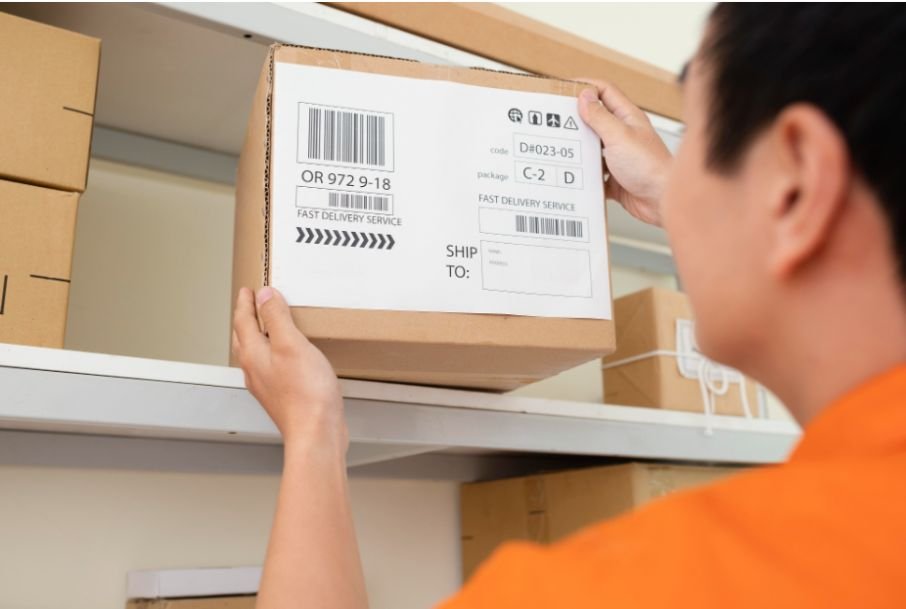
One of the strongest uses of QR codes is product education. Many products need explanation before customers can use them correctly. For example, a beauty product can link to a short tutorial. A food package can link to recipes.
A cleaning product can link to safe-use instructions. A tech accessory can link to setup videos. This improves the customer experience because people do not have to guess. They get helpful guidance at the exact moment they need it.
They Create Loyalty and Reward Opportunities
Packaging can also become a loyalty tool. A QR code can lead customers to rewards, discount codes, membership signups, product registration pages, or exclusive content. This is especially powerful because the customer has already bought or is considering buying the product.
That makes them more likely to engage than someone seeing a random online ad. Brands can use scan-based experiences to encourage second purchases, collect feedback, or invite customers into email and SMS programs.
Smart Packaging Helps Brands Collect Useful Data
QR codes are not only helpful for customers. They also help brands understand customer behavior. With dynamic QR codes, businesses can track scan volume, location, device type, and campaign performance.
This helps brands see which products, regions, packaging designs, or calls to action create the most engagement. That data can improve future packaging decisions. Instead of guessing what customers want, brands can learn from real scan behavior.
Better Calls to Action Increase Scan Rates
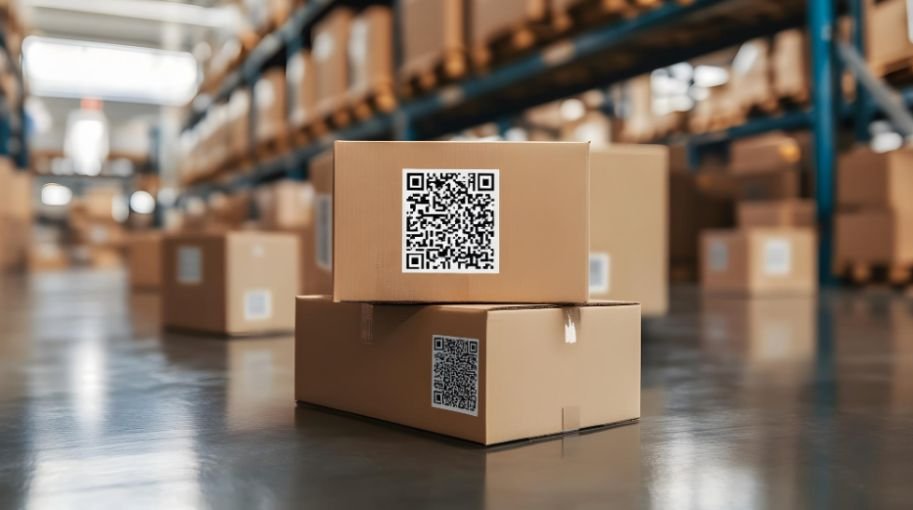
A QR code alone is not enough. Customers need a reason to scan. A strong call to action makes a big difference. Phrases like “Scan for recipes,” “Unlock rewards”, “Check product origin,” “Watch how to use it,” or “Get care tips” work better than a plain code with no explanation.
Placement matters too. The QR code should be easy to see, large enough to scan, and placed where customers naturally look. If the code is hidden, too small, or printed on a curved surface without testing, engagement can drop.
QR Codes Improve Post-Purchase Engagement
Customer engagement should not end after checkout. QR codes help brands stay connected after the sale. A customer can scan packaging at home to reorder, leave a review, register a warranty, join a community, or learn how to use the product better.
This keeps the brand present beyond the shelf. For ecommerce brands, this is especially useful. Packaging becomes a bridge between delivery and the next customer action.
They Make Sustainability Stories Easier to Share
Many brands want to talk about sustainability, but packaging space is limited. QR codes make this easier. A brand can link to recycling instructions, refill programs, sourcing details, carbon reduction efforts, or packaging disposal guidance.
Brands exploring eco-friendly packaging ideas for modern brands often use QR codes to explain sustainability efforts in more detail without overcrowding package designs.
This gives environmentally aware customers more information without cluttering the label. It also helps brands avoid vague claims. Instead of saying “eco-friendly,” they can show details that support the message.
Common QR Packaging Mistakes to Avoid
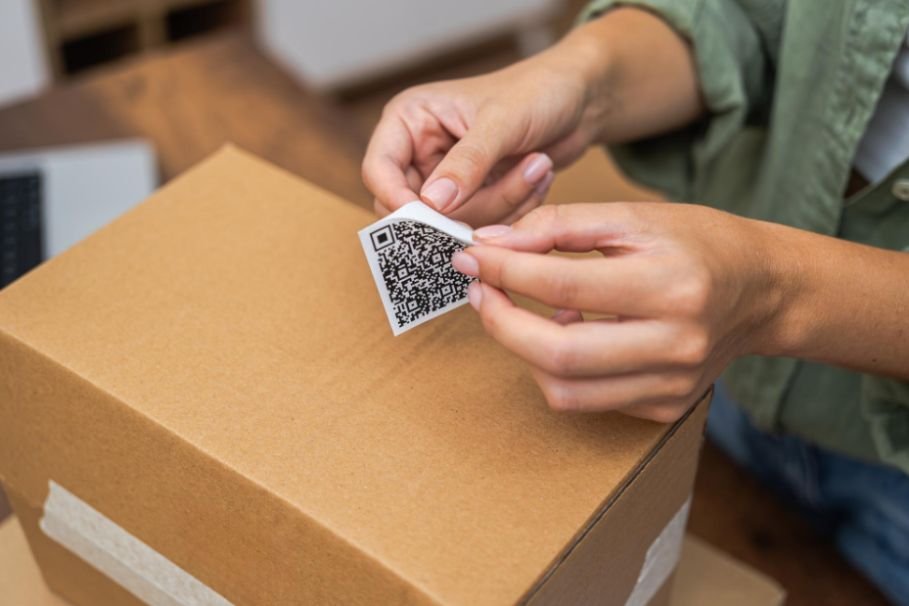
Some brands add QR codes without a strategy. That usually leads to weak results. The biggest mistake is sending customers to a boring homepage. The scan should lead to a specific experience that matches the promise on the package.
Other mistakes include using poor contrast, printing the code too small, skipping mobile optimization, failing to test scans, and not giving customers a clear benefit. A good QR experience should be fast, useful, and easy to understand.
The Future of QR Codes in Packaging
QR codes are becoming part of a larger smart packaging movement. More brands are using connected packaging to combine product information, customer support, loyalty, traceability, and marketing into one simple scan.
This shift matters because customers expect quick answers. They do not want to search through websites or contact support for basic information. They want instant access.
That is why How QR Codes on Packaging Improve Customer Engagement is no longer just a marketing question. It is becoming a packaging strategy, customer experience strategy, and brand trust strategy at the same time.
Frequently Asked Questions
1. How QR Codes on Packaging Improve Customer Engagement?
QR codes improve customer engagement by giving shoppers instant access to product details, videos, rewards, reviews, sustainability information, and brand stories through one quick scan.
2. What should a packaging QR code link to?
It should link to something useful, such as instructions, recipes, discounts, loyalty rewards, authenticity checks, product education, or customer support.
3. Are QR codes good for small businesses?
Yes. Small businesses can use QR codes to make packaging more professional, collect feedback, promote repeat purchases, and share helpful product information without increasing label space.
4. Where should QR codes be placed on packaging?
They should be placed where customers can easily see and scan them. Flat surfaces, back panels, side labels, and insert cards usually work well.
Final Thoughts
I see QR codes as one of the simplest ways to make packaging work harder. They do not just decorate a box or label. They open a direct path between the customer and the brand.
When used well, QR codes can build trust, answer questions, encourage loyalty, and make products feel more valuable. The key is to give people a real reason to scan. A useful experience will always perform better than a code added only for decoration.