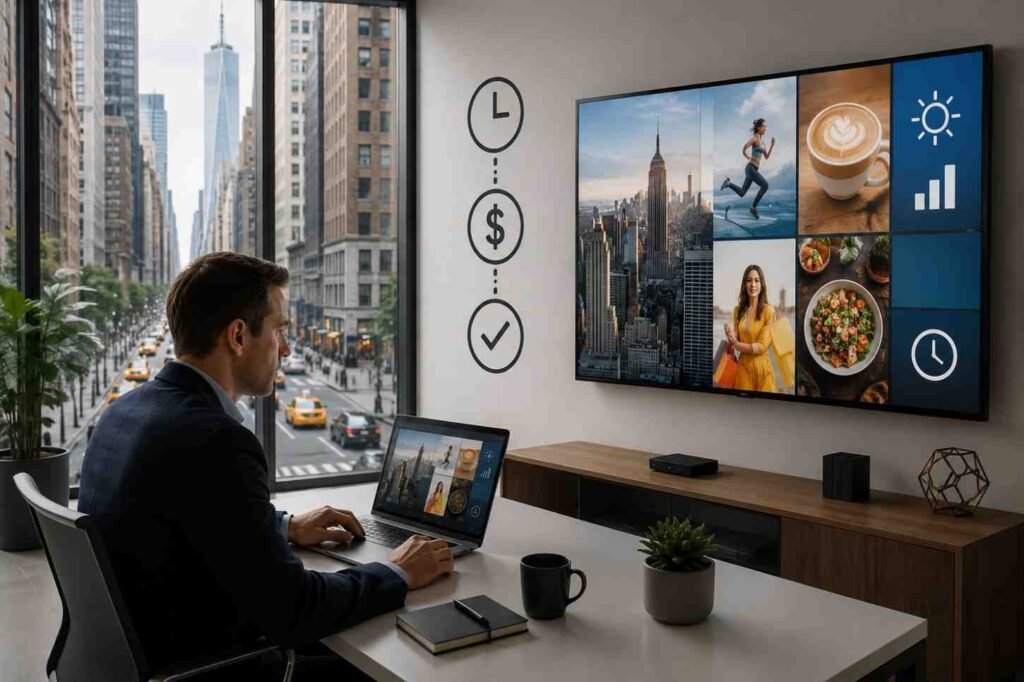



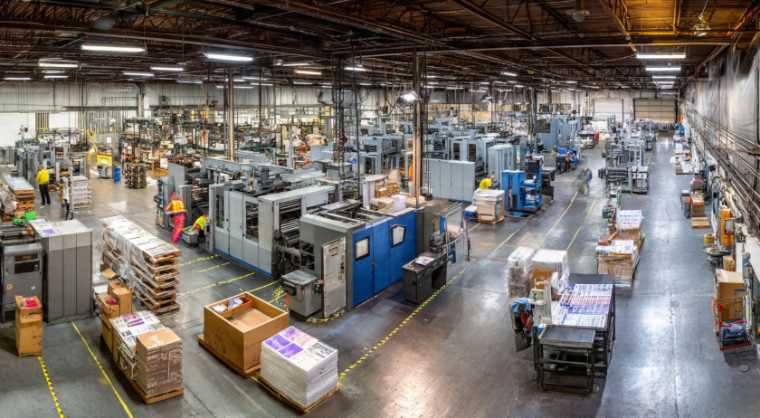
I’ve noticed that the brands growing fastest today are not necessarily the ones spending the most money on advertising. The businesses seeing the strongest long-term growth are usually the ones building connected marketing systems instead of isolated campaigns.
That is exactly why integrated marketing campaigns have become one of the most important strategies in modern business marketing.
Customers no longer interact with businesses through one platform alone. Someone may discover a brand through TikTok, research it on Google, join an email list, click a retargeting ad later, and finally purchase after seeing a product recommendation on Instagram. If those experiences feel disconnected, trust weakens quickly.
When every channel feels aligned, the customer journey becomes smoother and far more persuasive.
I’ve personally seen how businesses improve branding, customer engagement, and conversions simply by creating more consistency across their marketing channels.
What Are Integrated Marketing Campaigns?
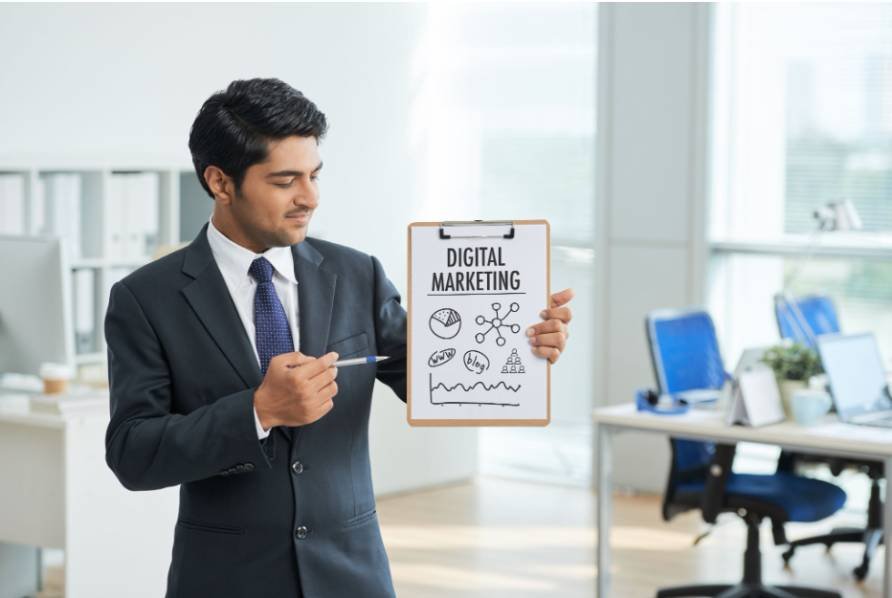
Integrated marketing is the process of aligning every communication channel under one unified brand message. Instead of running disconnected promotions across social media, email marketing, paid advertising, SEO, and print campaigns, businesses create one consistent customer experience across every touchpoint.
The goal is not simply to appear on multiple platforms. The goal is to make every platform feel connected.
For example, if a company launches a seasonal promotion, the landing pages, social media posts, Google Ads, email campaigns, video marketing content, and even packaging design should support the same campaign message.
That consistency helps businesses look more professional, trustworthy, and memorable.
Why Marketing Consistency Matters More Than Ever
Modern consumers are exposed to thousands of marketing messages daily. Attention spans are shorter, competition is higher, and customers are becoming more selective about which brands they trust.
One of the biggest reasons integrated marketing campaigns perform so well is familiarity. When people repeatedly see consistent messaging, visuals, and tone across multiple channels, they begin recognizing the brand faster.
That recognition plays a huge role in customer trust.
I’ve also noticed that businesses with connected campaigns often improve performance across several important areas simultaneously. Website traffic grows more steadily, customer retention improves, and marketing budgets become more efficient because content can support multiple channels at once.
Instead of creating separate assets for every platform, brands can repurpose content strategically. A webinar can become blog content. Blog content can become LinkedIn posts. Video clips can become Instagram Reels. Email campaigns can reinforce the same campaign messaging customers already saw through paid ads.
This creates stronger marketing efficiency without sacrificing consistency.
The Core Framework Behind Successful Campaigns

The strongest campaigns usually begin with one central idea. I often call this the “big campaign message.” Every piece of content, advertising, and customer communication grows from this single foundation.
Without one clear message, campaigns quickly become scattered and confusing.
That message then expands across carefully selected channels based on audience behavior. A B2B company may focus heavily on LinkedIn marketing, SEO, webinars, and email automation. An ecommerce brand may prioritize Instagram marketing, influencer partnerships, TikTok content, and SMS campaigns.
The key is selecting channels strategically rather than trying to dominate every platform at once.
Visual consistency also matters far more than many businesses realize. Strong integrated marketing campaigns maintain recognizable colors, typography, photography styles, logos, and tone of voice everywhere customers interact with the brand.
Customers should immediately recognize the business whether they see a YouTube advertisement, an email newsletter, or a printed direct mail piece.
How I Build High-Performing Marketing Systems
Whenever I study successful campaigns, I notice the best-performing brands rarely improvise randomly. They build repeatable systems.
The process usually starts with defining a measurable campaign objective. Some campaigns focus on lead generation. Others prioritize ecommerce sales, local brand awareness, customer retention, or product launches.
Once the objective is clear, businesses can create supporting assets around that goal. SEO content marketing, social media campaigns, email sequences, retargeting ads, video marketing, and print promotions should all reinforce the same customer journey.
Measurement is another major factor that separates average campaigns from exceptional ones.
Many companies still evaluate marketing channels individually, but modern customer journeys rarely happen on a single platform. Someone may first discover a business through organic search, later subscribe to an email list, and finally convert after seeing a Facebook retargeting campaign.
That is why cross-channel attribution matters so much today.
Integrated marketing campaigns perform best when businesses understand how channels influence each other rather than analyzing each platform separately.
The Biggest Mistakes Businesses Still Make

One of the most common problems I see is message overload. Businesses try to promote too many ideas simultaneously, which weakens clarity.
Strong campaigns stay focused on one core message customers can understand immediately.
Another major issue is disconnected internal communication. When the social media team promotes one offer while email campaigns push another message, the customer experience feels fragmented.
Integrated campaigns require alignment between sales teams, marketing departments, designers, content creators, and customer service teams.
I also see businesses making the mistake of copying identical content across every platform without adapting it properly.
While the message should stay consistent, the content format must fit the platform itself. A long-form educational article cannot simply become a successful short-form video without modification. Customers consume content differently depending on where they are interacting with the brand.
The best campaigns maintain message consistency while adapting delivery style strategically.
Frequently Asked Questions (FAQs)
1.What are integrated marketing campaigns?
Integrated marketing campaigns are coordinated marketing strategies that deliver the same brand messaging across multiple online and offline marketing channels.
2.Why do integrated marketing campaigns work so well?
They improve consistency, customer trust, brand recognition, and overall marketing efficiency while creating a smoother customer experience.
3.What channels are included in integrated marketing strategies?
Most businesses combine SEO, social media marketing, email marketing, paid advertising, video marketing, direct mail, content marketing, and influencer marketing.
4.How do businesses measure integrated marketing success?
Businesses typically track website traffic, lead generation, conversion rates, customer engagement, email performance, customer retention, and return on ad spend.
5.What is the difference between multichannel and integrated marketing?
Multichannel marketing uses several platforms independently, while integrated marketing connects every platform under one consistent campaign message.
Why Integrated Marketing Is Becoming Essential for Growth
Customer behavior continues evolving rapidly. People move constantly between social media platforms, search engines, streaming services, email inboxes, websites, and offline experiences throughout the day. Brands that rely on isolated marketing tactics often struggle to create lasting recognition in such a crowded environment.
Integrated marketing campaigns help businesses create continuity across every stage of the customer journey.
Instead of competing for isolated moments of attention, businesses build connected brand experiences customers remember over time.
This is especially important for companies investing in local business marketing strategies because customers often interact with local brands across Google Search, social media, online reviews, direct mail, and community advertising before making decisions.
I genuinely believe this strategy will continue becoming more important because modern consumers value familiarity, consistency, and trust more than ever before.
Businesses that align their SEO, email marketing, content marketing, paid advertising, social media strategy, and customer experience into one unified system will likely outperform competitors relying on disconnected campaigns.