


I realized how powerful branding was after seeing two nearly identical businesses launch in the same niche. One looked polished, trustworthy, and recognizable within weeks. The other felt forgettable, even though its products were solid. The difference was not pricing or marketing budgets. It was brand identity design.
Most people think branding starts and ends with a logo. That is one of the biggest mistakes I see. A logo matters, but a true brand identity shapes how customers feel every time they interact with a business.
Understanding what is brand identity design can completely change how you build a company, personal brand, ecommerce store, or startup. The strongest brands create emotional familiarity long before customers make a purchase.
What Is Brand Identity Design?
Brand identity design is the process of creating the visual and emotional identity of a business. It includes the logo, colors, typography, imagery, messaging, and overall style customers associate with a brand.
Think of it as the personality of a company made visible.
A strong identity helps people instantly recognize your business across websites, social media, packaging, emails, and advertisements. More importantly, it shapes perception. Customers often decide whether a business feels trustworthy within seconds.
Research from Nielsen Holdings plc consistently shows that brand familiarity influences buying decisions. Visual consistency plays a major role in that recognition.
Brand identity design is not just for global corporations either. Small businesses, creators, local brands, and startups benefit from it even more because trust matters heavily in crowded markets.
Why Brand Identity Matters More Than Most Businesses Realize
I used to believe good products naturally attracted customers. They do not.
People judge professionalism quickly. A messy website, inconsistent colors, weak typography, or random social media graphics instantly reduce credibility.
Strong branding creates three major advantages.
Recognition Builds Faster
Brands with consistent visual systems are easier to remember. Customers begin associating certain colors, layouts, or styles with your company.
That is why Apple Inc. feels recognizable before you even see the logo clearly.
Consistency Creates Trust
When your website, emails, packaging, and social channels feel aligned, people assume the business itself is organized and reliable.
Inconsistent branding creates confusion. Confused customers rarely buy.
Identity Helps You Charge More
This is the part many articles ignore.
Premium branding often supports premium pricing. Customers perceive polished brands as more valuable. That psychological effect directly impacts conversions and customer loyalty.
The Core Elements of Brand Identity Design
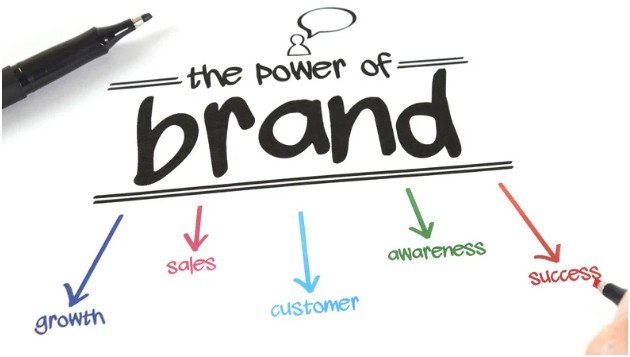
A strong identity system combines multiple elements working together.
Logo Design
Your logo is the foundation of visual recognition. It should remain simple, scalable, and memorable.
Complex logos usually fail on mobile devices and social media icons. Simplicity performs better across platforms.
Color Palette
Colors influence emotion faster than words.
Blue often signals trust. Black communicates luxury. Green suggests growth or sustainability. Red creates urgency and energy.
The best brands limit their palettes intentionally instead of using random colors everywhere.
Typography
Fonts affect personality more than most people realize.
A modern sans-serif font feels clean and minimal. Serif fonts often feel traditional and authoritative.
Typography consistency improves readability while reinforcing tone.
Brand Voice
Visuals alone do not define a brand.
The way your company writes captions, product descriptions, emails, and support replies matters equally. A playful startup sounds very different from a luxury consulting agency.
Imagery and Graphic Style
Photography style matters more than stock image quality.
Brands using consistent lighting, editing, composition, and illustration styles feel significantly more professional online.
How to Create a Brand Style Guide That Actually Works
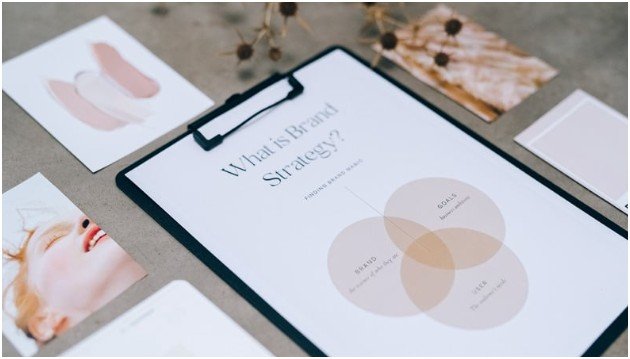
Learning how to create a brand style guide changed how I approached branding projects. Without guidelines, consistency falls apart quickly as businesses grow.
Most successful companies document branding rules early.
Start With Brand Positioning
Before choosing colors or fonts, define:
- Your target audience
- Your mission
- Your brand values
- Your market positioning
Design without strategy usually looks attractive but lacks direction.
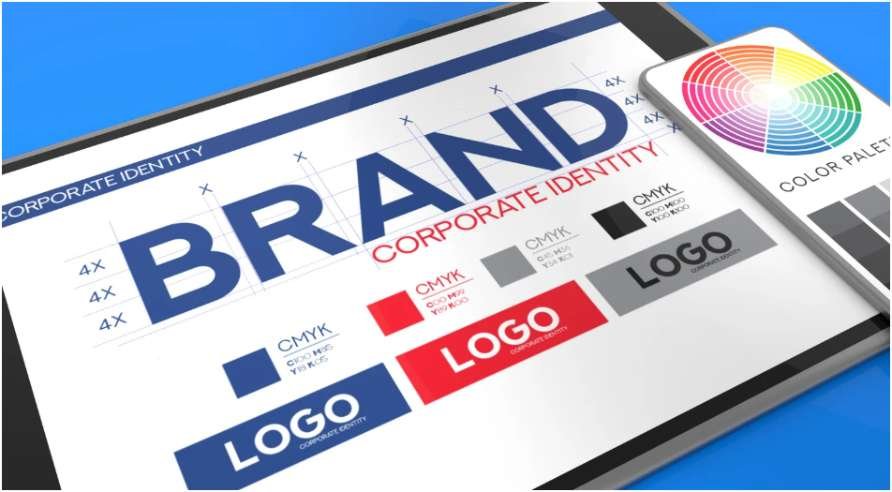
Create Logo Usage Rules
Your style guide should explain:
- Approved logo versions
- Minimum logo size
- Clear spacing requirements
- Incorrect logo usage examples
This prevents distorted or inconsistent branding later.
Standardize Your Colors
Professional brand guides include:
- HEX codes
- RGB values
- CMYK values
- Pantone references
This keeps colors consistent across print and digital platforms.
Define Typography Hierarchy
Specify:
- Heading fonts
- Body fonts
- Font weights
- Spacing rules
Many businesses skip this step and end up with chaotic marketing materials.
Document Voice and Imagery
One of my favorite approaches is using three to five personality traits.
For example:
- Confident
- Modern
- Helpful
- Bold
- Clean
This makes content creation easier for writers and designers.
Platforms like Canva, Figma, and Adobe Inc. provide excellent templates for creating digital style guides.
My Biggest Branding Mistake and What It Taught Me
Years ago, I helped launch a small ecommerce project with no defined branding system. We kept changing fonts, redesigning banners, switching colors, and rewriting messaging every few weeks.
Traffic increased, but conversions stayed weak.
After reviewing customer feedback, one issue appeared repeatedly: the business looked inconsistent and unfinished.
We rebuilt the entire identity around a simple visual system:
- Two primary colors
- One typography family
- Consistent product photography
- A cleaner voice
Conversions improved within two months.
That experience completely changed how I view brand identity design. Customers notice inconsistency immediately, even if they cannot explain why.
Common Brand Identity Mistakes That Hurt Trust

Many businesses damage their branding without realizing it.
Copying Competitors Too Closely
Trends are useful, but imitation weakens memorability. If your branding looks identical to competitors, customers struggle to remember you.
Changing Visuals Too Often
Frequent redesigns confuse audiences. Consistency creates recognition over time.
Ignoring Mobile Design
A logo that looks great on desktop may fail completely on mobile screens. Modern branding must scale everywhere.
Using Too Many Fonts and Colors
Too much variety creates visual chaos. Simplicity almost always performs better.
Building Identity Without Audience Research
A luxury audience responds differently than a budget-focused audience. Branding should reflect customer expectations, not personal preferences.
How Major Brands Use Identity to Create Loyalty
The world’s biggest brands protect consistency obsessively.
The Coca-Cola Company maintains recognizable colors and typography globally. Nike, Inc. relies on emotional storytelling and minimalist visuals. McDonald’s uses color psychology and consistent layouts to drive instant recognition.
The lesson is simple.
Strong branding reduces decision fatigue. Customers feel familiar with the business before they even interact deeply with it.
That familiarity often becomes loyalty.
FAQs About Brand Identity Design
1. What is brand identity design in simple terms?
It is the visual and emotional presentation of a brand, including logos, colors, typography, messaging, and design style.
2. Why is brand identity important for small businesses?
Strong branding helps small businesses look trustworthy, memorable, and professional in competitive markets.
3. Is brand identity the same as a logo?
No. A logo is only one part of a complete brand identity system.
4. How to create a brand style guide for a new business?
Start by defining your mission, audience, logo rules, colors, typography, and brand voice. Then document everything in one accessible guide.
5. How long does it take to build a strong brand identity?
Most businesses develop their core identity within weeks, but strong recognition usually grows over months or years through consistent use.
Your Brand Should Feel Like a Person, Not a Template
The strongest brands do not just sell products. They create familiarity, emotion, and recognition people remember instantly.
That is why understanding what is brand identity design matters far beyond aesthetics. Your branding shapes trust before customers read a single sentence or buy a single product.
If your business currently feels visually inconsistent, start small. Tighten your colors. Simplify your fonts. Clarify your voice. Then build a proper style guide before scaling further.
Consistency compounds faster than most businesses expect.