
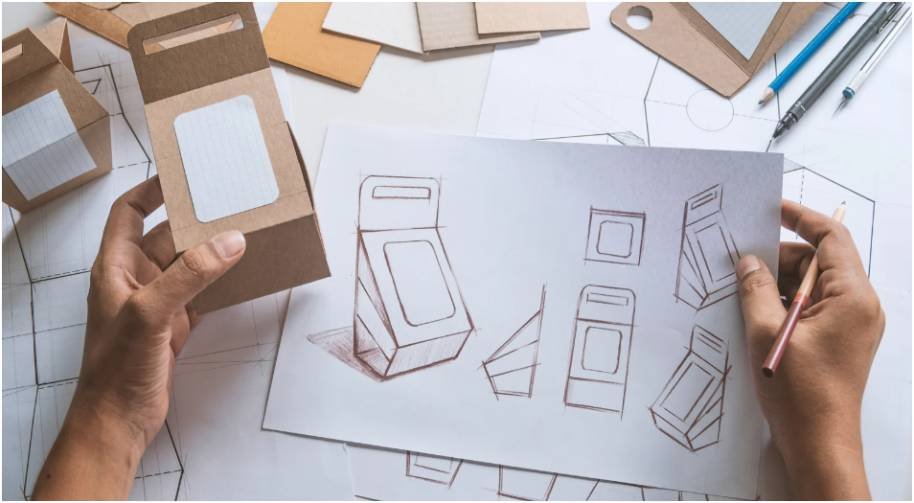
I once watched a customer stand in front of a grocery shelf for less than five seconds before grabbing a product they had never tried before. The price was higher. The brand was unfamiliar. But the packaging looked premium, clean, and trustworthy. That moment perfectly explained how packaging design affects sales better than any marketing textbook ever could.
Most buying decisions happen emotionally before they become logical. Packaging becomes the first conversation a brand has with a shopper. If that interaction feels confusing, outdated, or generic, the sale often disappears immediately.
Research from Ipsos shows that shoppers form product impressions within seconds. Packaging influences trust, perceived quality, and even taste expectations before someone ever opens the product.
Why Packaging Influences Buying Decisions Faster Than Ads
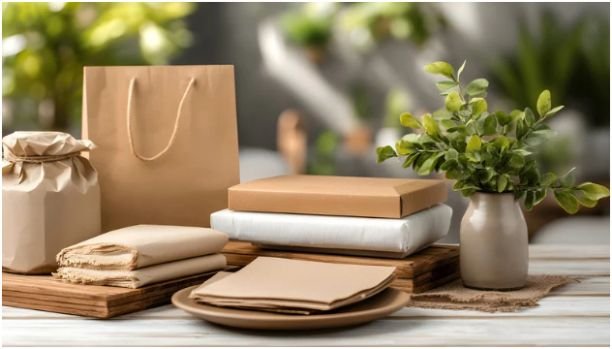
Advertising attracts attention. Packaging closes the sale.
That difference matters more today because consumers face constant digital overload. By the time someone reaches a shelf or product page, they want quick reassurance. Strong packaging reduces hesitation instantly.
Studies show that nearly 72% of consumers say packaging design directly influences purchasing decisions. Even more interesting, packaging redesigns can increase sales by 20% to 30% when executed correctly.
I’ve noticed one consistent pattern across successful brands: the packaging always communicates one clear promise immediately.
The best designs answer three silent customer questions fast:
- What is this?
- Why should I care?
- Why should I trust it?
If packaging fails any of those tests, shoppers move on.
The Psychology Behind Packaging That Sells
How Colors Trigger Consumer Emotions
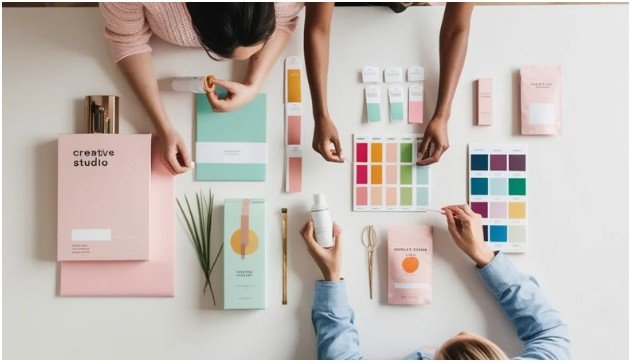
Color is usually the first thing people notice.
Red creates urgency and excitement. That is why clearance stickers and fast-food branding use it heavily. Blue creates trust and reliability, making it popular in healthcare and finance. Green signals sustainability, wellness, and natural ingredients.
I tested two supplement packages for a small ecommerce brand several years ago. The formula stayed identical. Only the packaging color changed.
The darker matte green package outperformed the bright white version by nearly 18% in conversions because buyers associated it with organic quality.
That is how strongly color shapes perception.
According to consumer behavior research, color influences up to 85% of purchase decisions.
Why Typography and Messaging Matter
Most shoppers do not read packaging carefully. They scan.
If buyers cannot understand the product within three to seven seconds, they often skip it completely. Strong packaging uses clean typography and simple benefit-focused messaging.
“High Protein.”
“100% Natural.”
“Sugar Free.”
Those quick visual cues reduce mental effort.
I also see brands fail when they overcrowd packaging with unnecessary text. More information rarely creates more trust. Clear hierarchy matters more.
This connects directly to the broader branding strategy. Businesses trying to improve consistency should also understand brand identity design because typography, colors, and visual systems all influence consumer memory together.
How Shapes Influence Product Perception
Shape affects psychology more than most brands realize.
Angular packaging often feels bold, technical, or masculine. Rounded designs feel softer, friendlier, and more approachable.
Method used this strategy brilliantly. Their uniquely shaped cleaning bottles disrupted boring shelf layouts and helped the company achieve massive early sales growth.
Distinctive packaging also improves memory recall. Consumers remember unusual shapes faster than standard rectangles.
That matters in crowded retail environments where visual fatigue is constant.
Why Texture and Materials Increase Perceived Value
Packaging is not only visual. It is physical.
Matte finishes, embossed lettering, soft-touch materials, and heavier packaging all increase perceived product quality.
The longer someone physically interacts with a product, the higher the chance of purchase.
Luxury brands understand this deeply. Apple, for example, carefully engineers its unboxing experience to create anticipation and emotional satisfaction before the product even turns on.
That tactile experience creates emotional reinforcement.
How Packaging Design Affects Sales in Retail Stores
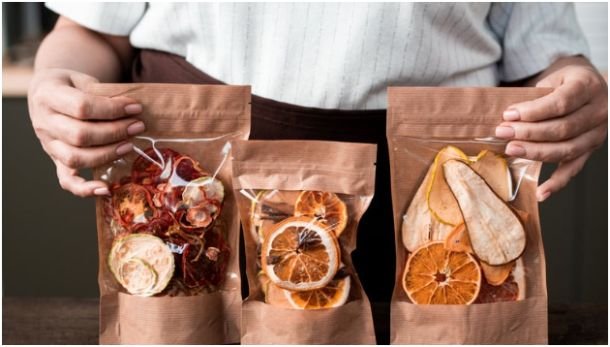
Retail shelves are brutally competitive.
Hundreds of products fight for attention simultaneously. Packaging becomes the deciding factor when shoppers compare products side by side.
Impulse buying plays a huge role here. Some categories generate 40% to 80% of purchases impulsively.
That means packaging must interrupt browsing behavior quickly.
Successful retail packaging often includes:
- Bold contrast colors
- Simple product naming
- Easy-to-scan benefits
- Limited edition labels
- Strong emotional positioning
I have personally seen products with weaker ingredients outperform competitors purely because the packaging communicated value more effectively.
Consumers buy perception first. Features come second.
The Ecommerce Packaging Advantage Nobody Talks About
Packaging matters even more online now.
The rise of TikTok, Instagram Reels, and YouTube unboxing videos transformed packaging into free advertising. Research suggests around 40% of consumers are more likely to share visually appealing packaging on social media.
That creates organic exposure brands never paid for.
Smart ecommerce companies now design packaging specifically for camera visibility.
This includes:
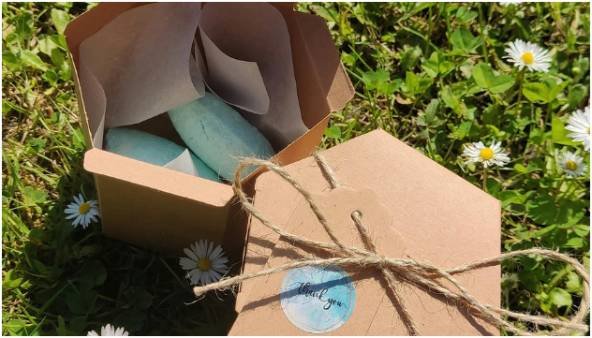
- Interior printed messages
- Custom inserts
- Branded tissue paper
- Personalized thank-you cards
- Social-share prompts
I’ve noticed smaller ecommerce brands often outperform larger competitors here because they focus heavily on memorable delivery experiences instead of generic shipping boxes.
Real Brands That Won or Lost Millions Through Packaging
RXBAR’s Minimalist Success
RXBAR became one of the best examples of effective packaging simplification.
Instead of hiding ingredients in small print, the company placed them directly on the front of the package:
“3 Egg Whites
6 Almonds
4 Cashews
2 Dates”
That radical simplicity helped consumers trust the product instantly. Sales reportedly grew from roughly $2 million to $160 million within three years.
The packaging itself became the marketing.
Tropicana’s Costly Redesign Mistake
Tropicana showed the opposite outcome.
The company replaced its recognizable “orange with a straw” design with a generic-looking package redesign. Consumers struggled to identify the product quickly.
The result was disastrous.
Sales dropped approximately 20% within two months, costing the company around $30 million before reverting to the original design.
That case still gets referenced in branding discussions today because it proves how emotionally attached consumers become to familiar packaging.
The 7-Second Packaging Test I Personally Use
Whenever I evaluate packaging, I use one simple exercise.
I look at the product for seven seconds and ask:
- Can I identify the product instantly?
- Do I understand the main benefit immediately?
- Does it feel trustworthy?
- Would I notice it beside competitors?
- Does it justify its price visually?
If the answer is “no” to multiple questions, the packaging usually needs improvement.
This quick test works surprisingly well because it mirrors real consumer behavior.
Common Packaging Mistakes That Hurt Sales
One major mistake is designing packaging for executives instead of customers. Internal teams often overcomplicate designs trying to appear sophisticated.
Another issue is inconsistency. Different fonts, conflicting colors, and unclear branding weaken trust quickly.
I also see brands ignore mobile ecommerce thumbnails. If packaging becomes unreadable on small screens, click-through rates suffer.
Cheap materials create another hidden problem. Even strong designs lose effectiveness when the physical packaging feels flimsy or low quality.
How Packaging Builds Long-Term Brand Loyalty
Packaging influences repeat purchases more than many businesses realize.
Consumers associate premium experiences with product reliability. Research suggests that more than half of consumers make repeat purchases partly because of packaging quality.
Consistent visual branding builds familiarity over time. Familiarity builds trust. Trust increases retention.
That is why successful brands rarely redesign packaging aggressively unless necessary.
They evolve carefully instead of changing everything at once.
FAQs
1. How packaging design affects sales in ecommerce?
Packaging influences customer satisfaction, social sharing, repeat purchases, and unboxing experiences. Strong ecommerce packaging can improve reviews and brand recall.
2. Does packaging really influence buying decisions?
Yes. Research consistently shows packaging affects emotional reactions, trust perception, and impulse buying behavior within seconds.
3. What packaging colors increase sales?
Red encourages urgency, blue builds trust, green signals wellness, and black often creates premium positioning. Effectiveness depends on industry and audience.
4. Why do luxury brands invest heavily in packaging?
Luxury packaging increases perceived value. Premium materials and presentation create stronger emotional experiences and justify higher pricing.
5. Can changing packaging improve sales without changing the product?
Absolutely. Many brands increase conversions through packaging redesigns alone because perception strongly shapes buying behavior.
Your Packaging Might Be Selling… or Sabotaging
Most businesses focus heavily on ads, SEO, and social media while ignoring the one thing every customer physically interacts with first.
The packaging.
That small box, label, or container quietly shapes trust, value perception, and buying emotion before the product itself gets a chance.
If sales feel stuck, packaging deserves a serious audit. Sometimes the fastest revenue growth does not come from changing the product. It comes from changing how the product feels before someone even opens it.