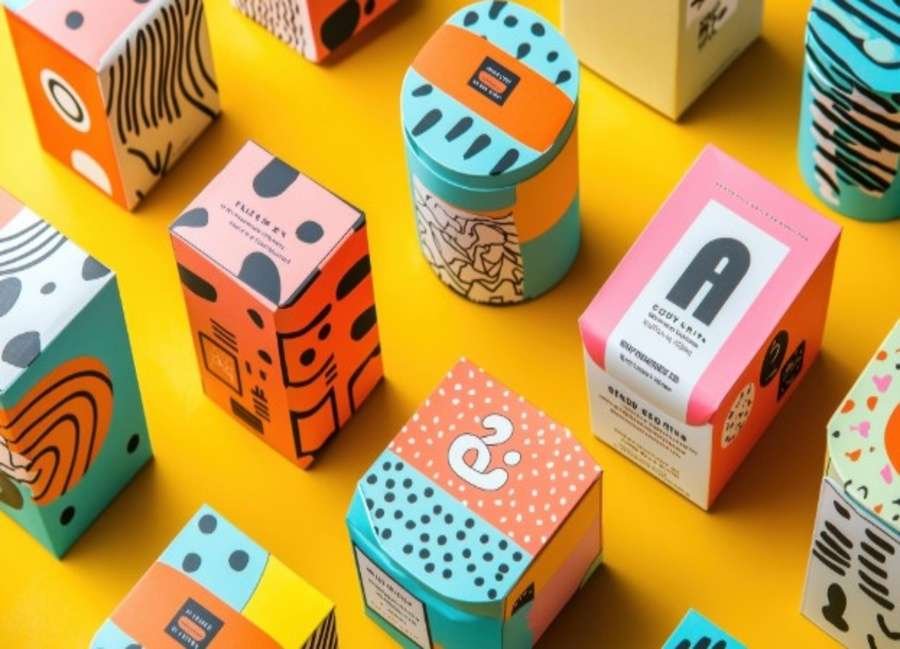

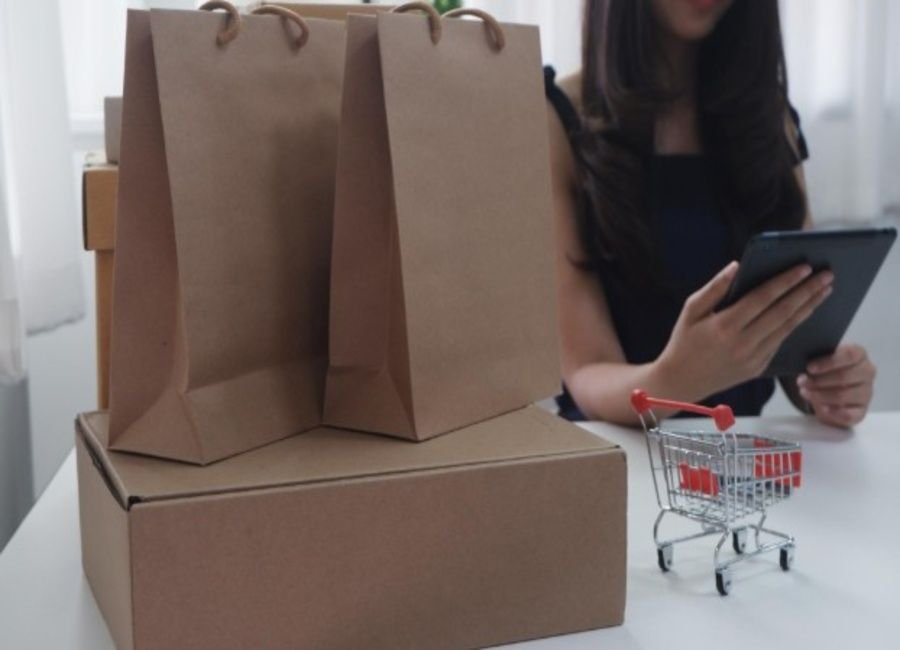
I have noticed something important about packaging: customers judge a product before they ever use it. The box, label, mailer, wrap, and insert all send a message about the brand. That is why Eco-Friendly Packaging Ideas for Modern Brands matter so much today. They help businesses reduce waste while making products feel thoughtful, premium, and trustworthy.
Modern buyers care about convenience, design, and responsibility. They want packaging that looks good, protects the product, and does not feel wasteful. For brands, this creates a smart opportunity. Sustainable packaging is no longer just a nice extra. It has become part of brand identity.
What Makes Packaging Eco-Friendly?
Eco-friendly packaging uses materials and design choices that reduce environmental impact. This can include recycled paper, compostable mailers, reusable containers, refill systems, biodegradable wraps, and right-sized boxes.
But sustainable packaging is not only about the material. It is also about using less, shipping smarter, avoiding mixed materials, and helping customers dispose of packaging correctly.
A simple recycled box with clear recycling instructions can sometimes be better than a fancy “green” package that customers do not know how to reuse or recycle.
Why Sustainable Packaging Influences Buying Decisions
Packaging affects trust. When customers see clean, responsible, and well-designed packaging, they often feel the brand is more careful overall. It also improves the unboxing experience. A product that arrives in neat kraft packaging, custom tissue, or a reusable pouch can feel more personal than one shipped with excessive plastic and filler.
Best Eco-Friendly Packaging Options for Brands

Recycled Cardboard Boxes
Recycled cardboard is one of the easiest choices for ecommerce brands. It is strong, familiar, and widely accepted in recycling systems. It also works well for skincare, apparel, candles, gifts, books, and subscription boxes. Brands can make recycled boxes look premium with simple printing, clean typography, paper tape, and minimal inserts.
Compostable Mailers
Compostable mailers are a popular option for clothing, accessories, and lightweight products. They reduce plastic use and work well for brands that ship soft goods. The key is clear labeling. Customers should know whether the mailer is home compostable, commercially compostable, or recyclable.
Minimalist Kraft Packaging
Kraft packaging has a natural and honest look. It works beautifully for handmade products, wellness items, organic goods, stationery, and food brands. The benefit is simple: it looks sustainable without needing heavy design. A kraft box with a clean label can feel modern, warm, and professional.
Refillable Packaging
Refillable packaging is ideal for beauty, cleaning, wellness, and personal care brands. A customer buys the main container once, then orders refills later. This reduces waste and creates repeat purchases. It also builds loyalty because customers become part of a system, not just a one-time transaction.
Plantable Packaging
Plantable packaging includes seed paper tags, cards, wraps, or inserts. After use, customers can plant the material and grow flowers, herbs, or small plants. This idea works well for gift brands, wedding products, handmade goods, and eco-conscious lifestyle brands. It adds emotion to the packaging experience.
Mushroom Packaging
Mushroom-based packaging is useful for fragile products because it can replace foam inserts. It is made of mycelium composites from paper waste. This option is especially useful for electronics, glass items, ceramics, and premium products that need protective cushioning.
Reusable Fabric Wraps
Fabric wraps, cotton bags, and drawstring pouches can replace single-use packaging. They also give customers something useful after purchase. Jewelry, cosmetics, candles, accessories, and luxury products can all benefit from reusable fabric packaging.
Eco-Friendly Packaging Ideas by Industry
For apparel brands, compostable mailers, recycled tissue, and reusable garment bags work well. These options keep packaging light and easy to ship. Beauty brands, refillable jars, glass bottles, paper tubes, and mono-material cartons create a cleaner customer experience.
Food brands, recyclable paperboard, compostable trays, and plant-based films can reduce plastic waste while keeping products fresh. For subscription boxes, right-sized recycled boxes, paper filler, QR code guides, and reusable inserts can make the entire delivery feel more intentional.
For gift brands, plantable cards, kraft boxes, ribbon made from natural fibers, and reusable pouches create a memorable unboxing moment.
How to Choose the Right Packaging Idea

The best choice depends on the product, budget, shipping method, and customer expectations. A fragile candle needs different packaging than a cotton T-shirt.
- I would start with three questions:
- Can this packaging protect the product properly?
- Can customers easily recycle, reuse, or compost it?
- Does it match the brand’s visual identity?
If the answer is yes, the packaging is more likely to support both sustainability and sales.
Common Green Packaging Mistakes to Avoid
One major mistake is overusing sustainability claims. Words like “eco,” “green,” and “earth-friendly” should be backed by clear details. Another mistake is using packaging that looks sustainable but is hard to dispose of.
Mixed materials, shiny coatings, plastic windows, and hidden liners can make recycling difficult. Brands should also avoid oversized packaging. A large box filled with paper still creates waste. Right-sized packaging often saves material, shipping space, and money.
Customer Disposal Labels Matter
One detail many brands ignore is disposal guidance. Customers should not have to guess what to do with the packaging. A simple note such as “Recycle this box”, “Compost this mailer where accepted,” or “Reuse this pouch” can improve the customer experience.
QR codes can also help. Brands can link to a short page explaining the packaging material, disposal steps, and sustainability choices.
Checklist Before Switching Packaging
Before changing suppliers, review product protection, material certifications, printing options, minimum order quantities, shipping costs, disposal instructions, and customer experience.
A packaging choice should be sustainable, practical, and realistic for daily operations. Beautiful packaging is only useful if it works consistently.
Frequently Asked Questions
1. What are the best Eco-Friendly Packaging Ideas for Modern Brands?
The best ideas include recycled cardboard boxes, compostable mailers, refillable containers, reusable pouches, plantable packaging, mushroom inserts, and minimalist kraft packaging.
2. Is eco-friendly packaging expensive?
It can cost more at first, but many brands save money by using smaller boxes, less filler, lighter materials, and repeat-purchase refill systems.
3. How can small brands start with sustainable packaging?
Small brands can begin with recycled boxes, paper tape, kraft labels, right-sized mailers, and simple recycling instructions. These changes are affordable and easy to manage.
4. Does sustainable packaging improve customer trust?
Yes. Thoughtful packaging can make a brand feel more responsible, professional, and customer-focused.
Final Thoughts That Matter
I believe packaging is one of the easiest ways for a brand to show what it stands for. Customers may forget a product insert, but they remember how the package felt when it arrived. The strongest approach is not always the most expensive one.
It is the one that protects the product, reduces waste, looks aligned with the brand, and makes customers feel good about their purchase. Used wisely, Eco-Friendly Packaging Ideas for Modern Brands can improve trust, support repeat sales, and turn ordinary deliveries into meaningful brand moments.