
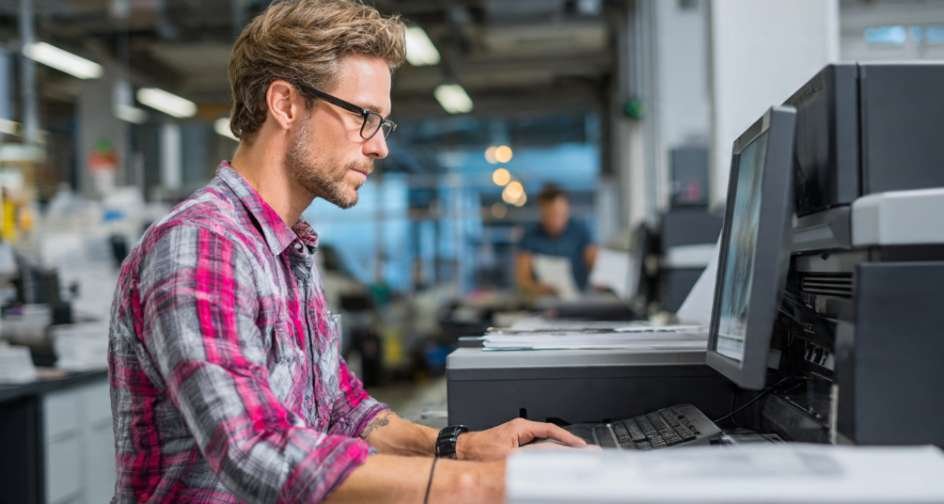
Custom printing has become an essential tool for businesses, creators, and individuals who want to personalize products with unique designs, logos, or artwork. From branded T-shirts to marketing materials and promotional merchandise, custom printing enables creativity while maintaining professional quality.
If you’re curious about how custom printing works, this guide explains the full process, different printing methods, and how to choose the right approach for your needs.
What Is Custom Printing?
Custom printing is the process of applying a unique design onto a product such as fabric, paper, plastic, or metal. Unlike standard printing, it focuses on personalization—allowing each item to reflect a specific brand, message, or creative concept.
Businesses use custom printing for branding and marketing, while individuals use it for personal projects, gifts, or creative ventures.
The Custom Printing Process Explained
Although different techniques exist, most custom printing follows a structured workflow. Each step ensures the final product is high-quality and durable.
Key Steps in Custom Printing
- Artwork creation involves designing graphics in a high-resolution or vector format suitable for printing
- Pre-press setup prepares the design for the chosen printing method, such as creating screens or calibrating printers
- Printing or application transfers the design onto the material using ink, heat, or stitching
- Curing ensures the design is permanently bonded to the surface through heat or drying
- Quality control checks for defects and ensures consistency before delivery
This process may vary slightly depending on the printing technique used.
Popular Custom Printing Methods
Different methods are used based on design complexity, material type, and order size. Understanding these options helps you choose the best one for your project.
Common Printing Techniques
- Screen printing pushes ink through a mesh stencil onto the material and is ideal for bulk orders with bold designs
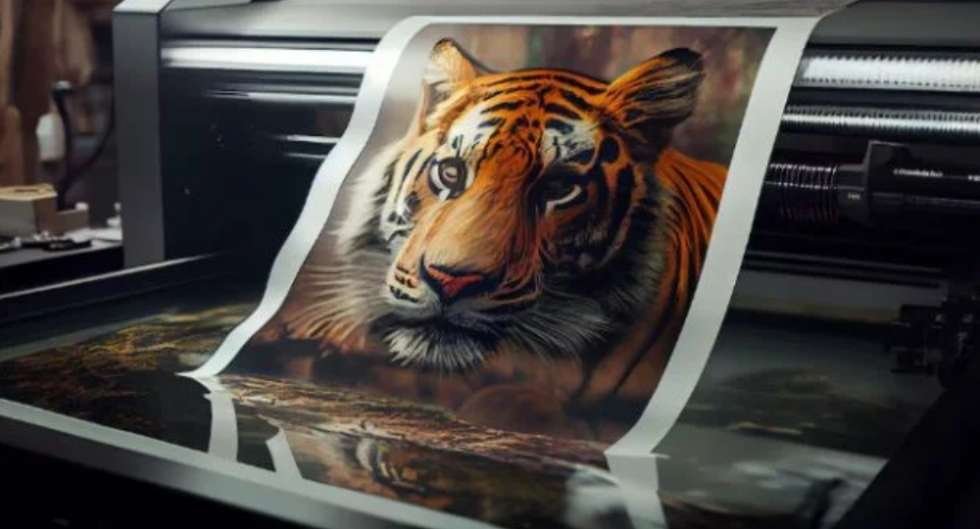
- Direct-to-garment (DTG) printing works like an inkjet printer, applying detailed, full-color designs directly onto fabric
- Heat transfer or direct-to-film (DTF) printing uses a printed film that is heat-pressed onto the material
- Sublimation printing converts ink into gas, bonding it directly with fabric for long-lasting, vibrant prints
- Embroidery uses stitched threads instead of ink, creating a premium and textured finish
Each method offers unique advantages depending on the application and budget.
Screen Printing: Best for Bulk Orders
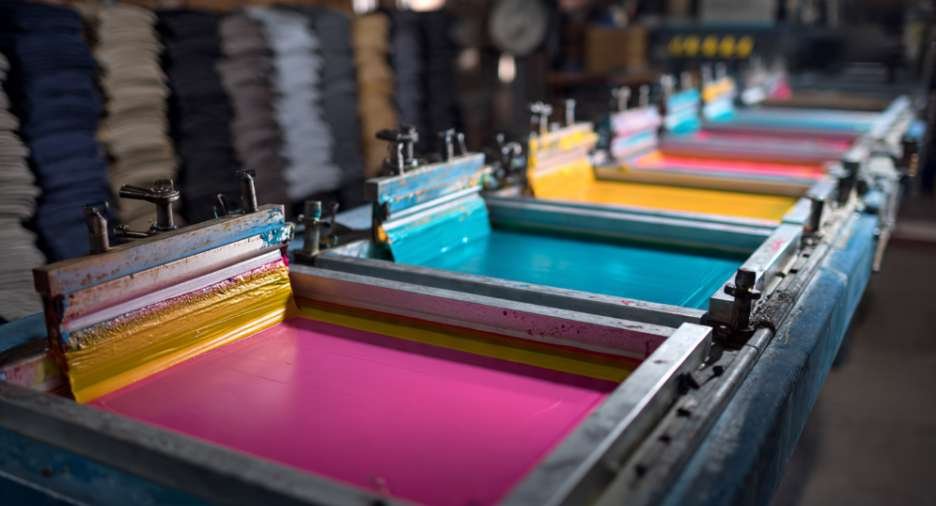
Screen printing is one of the oldest and most widely used custom printing techniques. It is especially effective for large orders because the cost per unit decreases as quantity increases.
This method produces vibrant colors and durable prints, making it ideal for T-shirts, hoodies, and promotional apparel. However, it requires setup time, which makes it less suitable for small orders.
Direct-to-Garment (DTG): Ideal for Detailed Designs
DTG printing is perfect for designs with multiple colors and intricate details. It allows businesses to print high-quality images directly onto garments without needing screens.
This method is ideal for small batches or one-off designs, as there are no minimum order requirements. It is commonly used for custom apparel and personalized merchandise.
Heat Transfer and DTF Printing
Heat transfer printing involves applying a design onto a material using heat and pressure. The design is first printed onto a special film and then transferred onto the product.
This method offers flexibility and works well on various materials, including fabric and synthetic surfaces. It is often used for custom clothing and promotional items.
Sublimation Printing: Long-Lasting and Vibrant
Sublimation printing uses heat to turn ink into gas, allowing it to bond directly with fabric fibers. This creates a permanent print that does not crack or fade over time.
It is commonly used for sportswear, mugs, and full-coverage designs. However, it works best on light-colored polyester materials.
Embroidery: A Premium Alternative
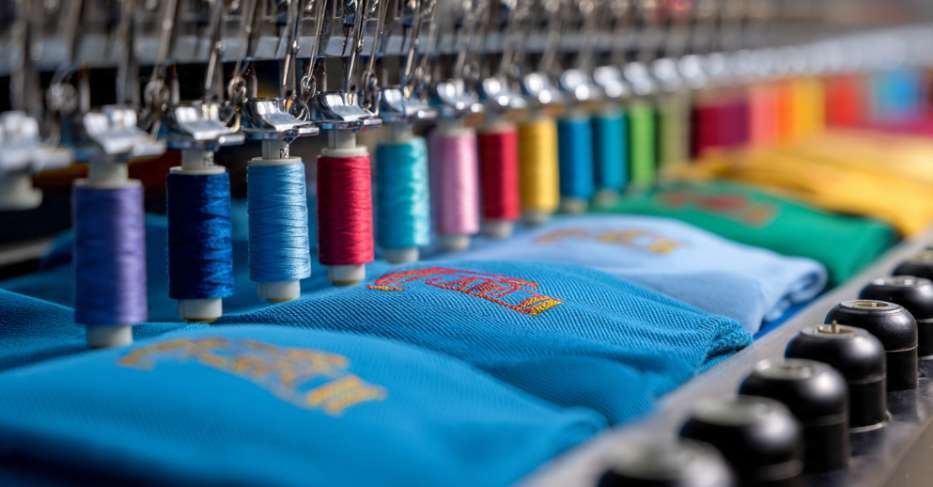
Embroidery is a stitching technique rather than a printing method. It involves digitizing a design and stitching it onto fabric using threads.
This method is often used for corporate apparel, caps, and uniforms because it offers a high-end, durable finish.
Applications of Custom Printing
Custom printing is used across industries for a variety of purposes. Its versatility makes it valuable for both businesses and individuals.
Businesses use custom printing for branded apparel, marketing materials, and promotional products. Individuals use it for personalized gifts, creative projects, and small business ventures.
Common products include T-shirts, hoodies, mugs, bags, flyers, business cards, and banners.
Factors That Influence Printing Method Choice
Choosing the right custom printing method depends on several factors. Businesses need to consider the type of material, design complexity, order quantity, and budget.
For example, screen printing is better for bulk orders, while DTG is ideal for detailed, small-batch prints. Sublimation works best for polyester fabrics, while embroidery is preferred for premium branding.
Understanding these factors ensures you get the best results for your project.
Benefits of Custom Printing
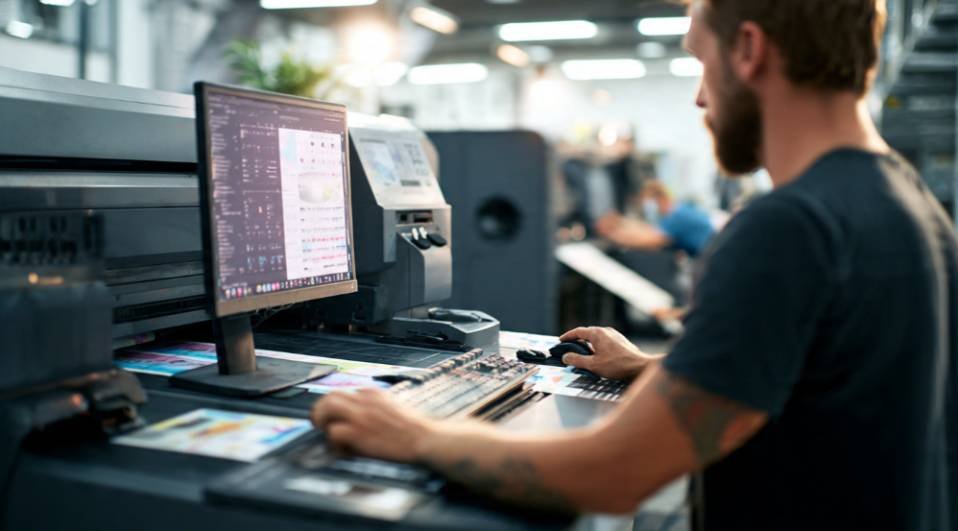
Custom printing offers several advantages that make it a popular choice for businesses and creators.
It allows complete design flexibility, enabling unique and personalized products and supports branding by creating consistent and professional visuals. It is scalable, allowing both small and large production runs and also enhances customer engagement by offering customized products.
These benefits make custom printing an essential tool for modern marketing and creativity.
Common Challenges in Custom Printing
While custom printing is highly effective, it comes with some challenges. Choosing the wrong printing method can affect quality and durability. Poor design preparation can lead to errors in the final product.
To avoid these issues, it is important to work with experienced printing providers and ensure your design files meet the required specifications.
Frequently Asked Questions
How does custom printing work?
Custom printing works by creating a digital design, preparing it for a specific printing method, transferring it onto a material using ink or heat, and curing it to ensure durability.
What are the 4 types of printmaking?
The four traditional types of printmaking are relief printing, intaglio, lithography, and screen printing.
Can I print on watercolour paper?
Yes, certain printing methods like digital printing can be used on watercolour paper, but the results depend on the printer type and paper compatibility.
Does Walmart do custom printing?
Yes, Walmart offers custom printing services such as photo printing, personalized gifts, and some promotional items, though options may vary by location.
Why Custom Printing Matters for Modern Businesses
Understanding how custom printing works helps businesses create impactful branding and marketing materials. Whether you’re producing apparel, promotional items, or printed documents, the right method ensures quality and efficiency.
As companies scale, they often combine custom printing with broader solutions like how printing services work for businesses to manage larger production needs and maintain consistency across all materials. This approach allows businesses to balance creativity, cost, and scalability effectively.
Custom printing continues to evolve with new technologies, offering endless possibilities for personalization and innovation in today’s competitive market.