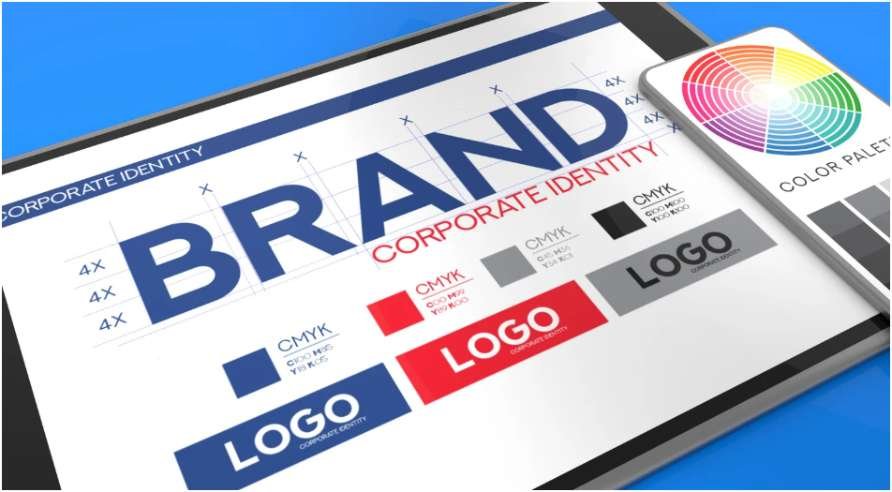




Most brands disappear from memory within hours. I’ve seen businesses spend thousands on logos, websites, and ads only to look identical to everyone else in their industry. Customers scroll past them, forget them, and move on.
Learning how to create a memorable brand changed the way I approached marketing entirely. The brands people remember are rarely the loudest. They are the clearest, most consistent, and emotionally recognizable.
That difference matters because recognition drives trust. Trust drives conversions. And long-term memory creates repeat customers.
Why Most Brands Are Forgotten Within Seconds
People make rapid judgments about brands before reading a single sentence. Research from the Missouri University of Science and Technology found that visual impressions form in milliseconds. Brand colors, typography, imagery, and tone shape credibility almost instantly.
The problem is that many businesses build branding backward. They start with a trendy logo instead of defining what they want customers to feel.
A memorable brand creates an emotional association first. Visuals simply reinforce that feeling repeatedly over time.
I’ve personally noticed that the brands I remember easiest all share three qualities:
- Clear positioning
- Consistent visuals
- Emotional familiarity
Without those elements, branding becomes decoration instead of recognition.
Start With a Brand Purpose People Can Feel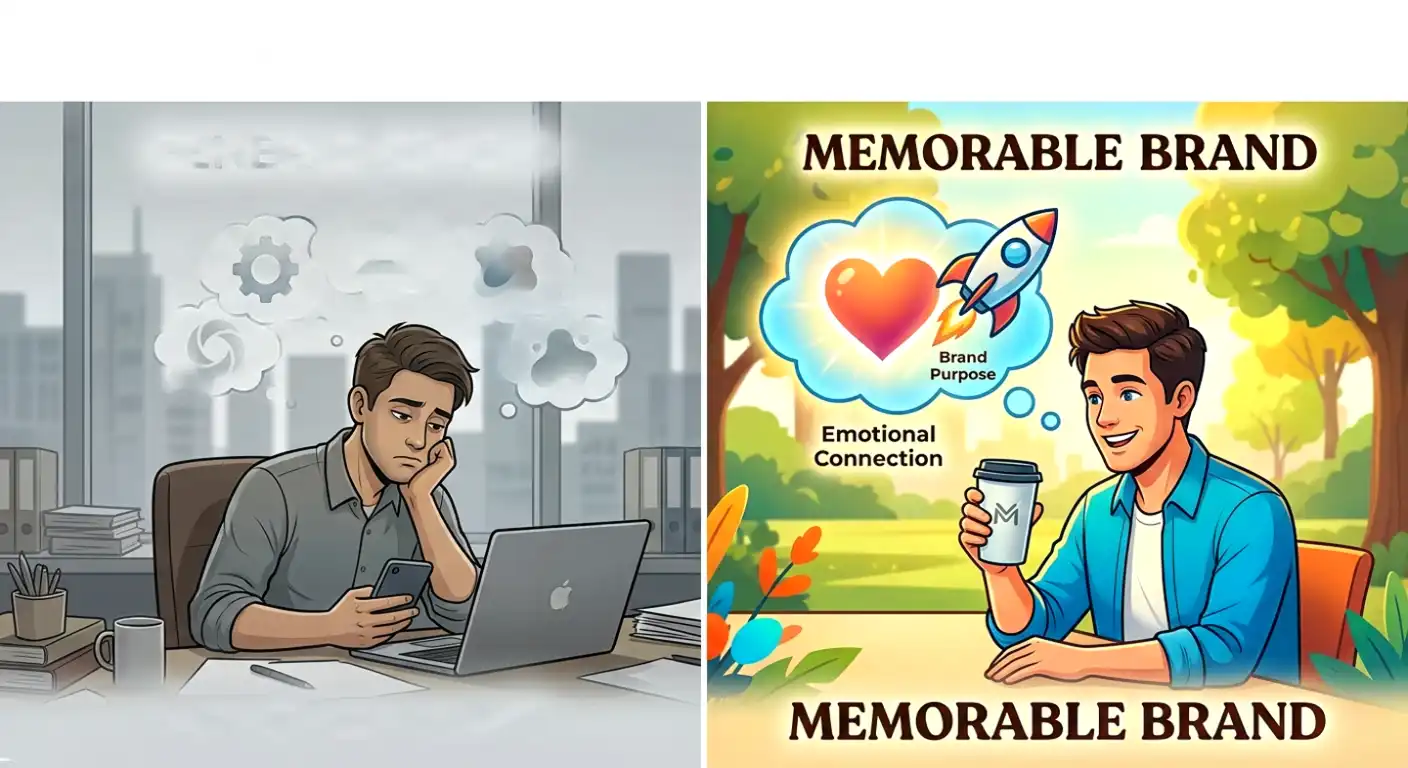
Customers rarely connect deeply with products alone. They connect with meaning.
Your brand purpose should explain why your business exists beyond making money. Patagonia focuses heavily on environmental responsibility. Nike emphasizes personal achievement and determination. Apple consistently reinforces simplicity and innovation.
That emotional positioning creates identity around the product.
When I help businesses refine branding, I usually ask one question first:
“What should customers feel immediately after interacting with your business?”
That answer shapes everything else. Purpose also strengthens internal consistency. Teams make faster branding decisions when they understand the core promise behind the company. This directly connects to how branding impacts customer trust because customers trust businesses that communicate a clear identity consistently across every interaction.
Position Your Brand Before Designing Anything
One of the biggest branding mistakes I see is businesses rushing into visuals before understanding market positioning.
Strong brands occupy a specific mental space. Generic branding blends into competitors because it lacks contrast.
Research Competitors the Smart Way
I do not recommend copying successful competitors. I recommend identifying patterns that they all repeat.
Look at:
- Common colors
- Tone of voice
- Website layouts
- Packaging styles
- Social media aesthetics
Then look for gaps.
If every competitor looks corporate and polished, a more approachable and human identity may stand out faster.
If every competitor uses dark minimalist branding, brighter visuals may create stronger recall.
Memorable branding often comes from strategic contrast.
Find the Emotional Gap in Your Market
The emotional gap matters more than the visual gap.
For example, many financial brands focus heavily on professionalism. Few focus on calmness or simplicity.
That creates an opportunity.
Customers often remember how a brand made them feel more than the exact product details.
Build a Brand Personality That Sounds Human
People connect with personalities, not corporate language.
Your brand voice should feel recognizable across emails, social posts, advertisements, packaging, and customer support.
I usually recommend defining three personality traits first.
For example:
- Confident
- Friendly
- Direct
Or:
- Playful
- Energetic
- Creative
Those traits shape tone naturally.
A serious luxury brand should not sound casual and chaotic. A youthful lifestyle brand should not sound overly formal.
Consistency matters more than perfection.
According to Lucidpress brand consistency research, consistent branding can increase revenue by up to 33%.
Design a Visual Identity People Instantly Recognize
Visual identity acts as the face of your brand. It should communicate personality before customers even read your message.
Strong visual systems improve recognition dramatically over time.
Choose Colors That Trigger Emotion
Color psychology influences perception faster than most businesses realize.
Blue often communicates trust and stability. Red creates urgency and energy. Green commonly represents growth or wellness.
I’ve noticed many small businesses overcomplicate color palettes. Simpler systems usually perform better.
A strong setup often includes:
- One dominant brand color
- Two supporting colors
- A few accent colors
That consistency improves recall across websites, ads, packaging, and social content.
Typography Shapes Brand Perception
Fonts quietly influence emotional reactions.
Sans-serif fonts usually feel modern and approachable. Serif fonts often feel premium or traditional.
Typography should support your positioning instead of fighting against it.
Luxury branding with playful cartoon fonts creates confusion immediately.
Why Simplicity Wins in Logo Design
The most memorable logos are usually simple enough to recognize instantly.
Think about:
- Nike
- Apple
- McDonald’s
Complex logos often fail on mobile devices, packaging, or social icons.
I always test logos at very small sizes before approving designs. If it becomes unreadable, it is too complicated.
Use Repetition to Build Brand Memory
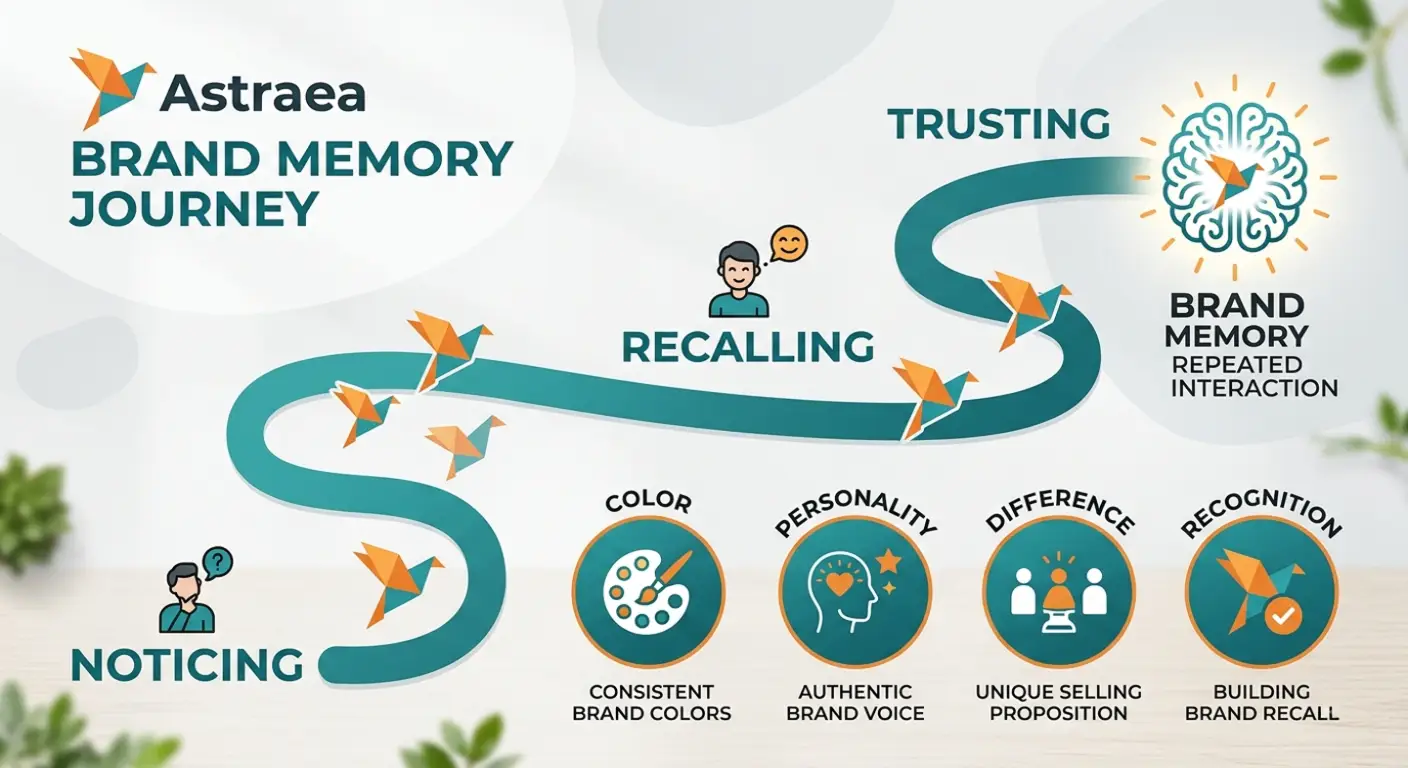
Memory requires repetition.
One concept I use heavily is the 3-7-27 exposure principle:
- 3 interactions to notice a brand
- 7 interactions to remember it
- 27 interactions to deeply trust it
Most businesses quit branding consistency too early.
They constantly redesign logos, change colors, alter messaging, or rewrite their tone. That resets recognition every time.
Memorable brands repeat recognizable patterns consistently across:
- Websites
- Email campaigns
- Packaging
- Ads
- Social media
- Customer service
Repetition creates familiarity. Familiarity creates trust.
Tell Stories Customers Actually Remember
Stories improve retention because the brain processes narratives differently than isolated facts.
I’ve found that customers rarely remember product specifications clearly. They remember emotional context.
Instead of saying:
“Our software saves time.”
Tell a story about a stressed business owner reclaiming evenings with their family after automating repetitive work.
That mental image sticks.
Visual metaphors also improve recall. Airbnb built strong emotional branding around belonging and travel experiences instead of focusing only on bookings.
Great brand storytelling creates memorable moments.
Create Brand Experiences That Reinforce Trust
Branding does not stop at visuals.
Customer experience either strengthens memory or destroys it.
Packaging, onboarding emails, customer support, invoices, and even return policies contribute to brand perception.
Some of the most memorable businesses I’ve interacted with had surprisingly small details:
- Fast response times
- Personalized packaging
- Consistent messaging
- Helpful educational resources
- Clear communication
These touchpoints quietly reinforce professionalism and reliability.
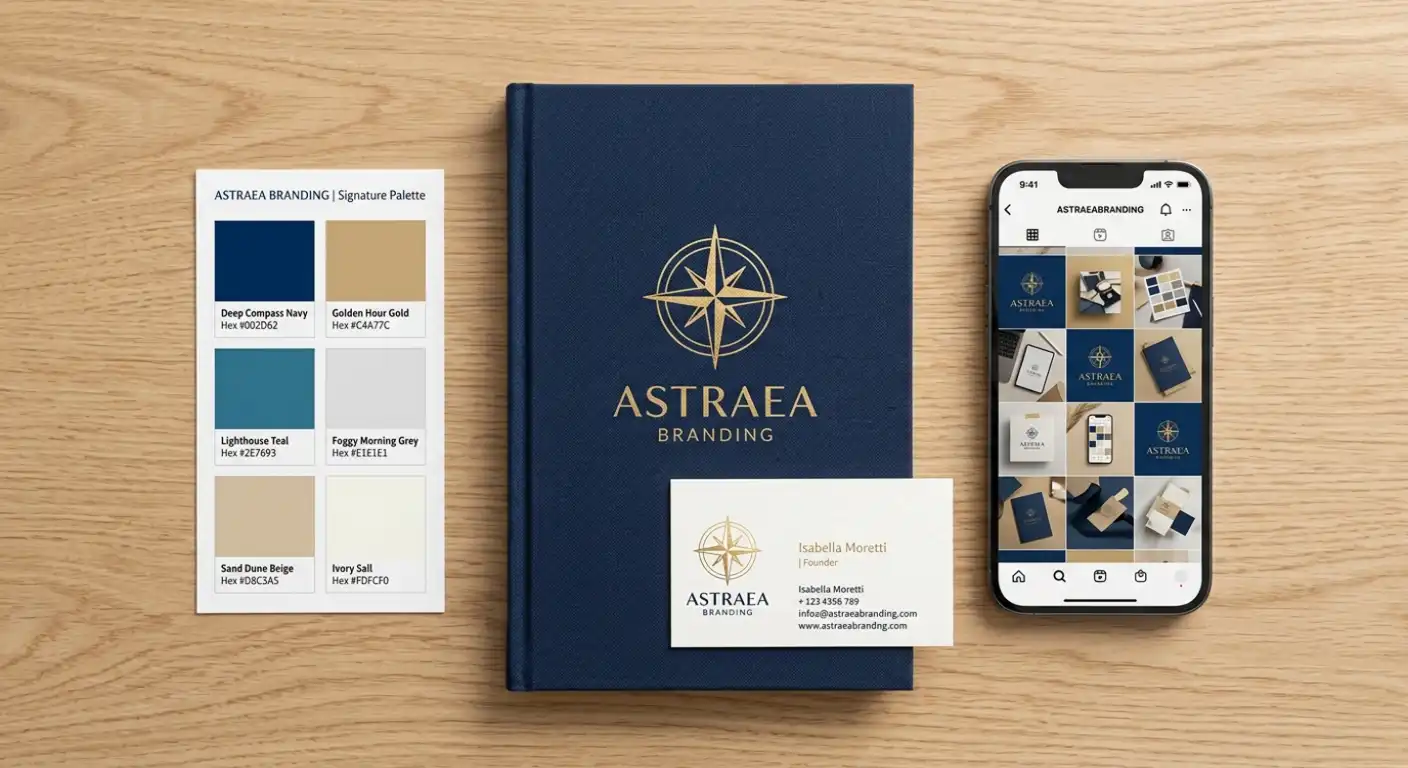
Build a Brand Style Guide Before Scaling
Scaling becomes chaotic without documentation.
A brand style guide keeps every visual and communication element consistent across teams and platforms.
Your guide should include:
- Logo usage rules
- HEX, RGB, and CMYK color codes
- Typography hierarchy
- Image style examples
- Voice and tone guidelines
This prevents fragmented branding later.
Even small businesses benefit from basic brand manuals.
The Brand Memory Test I Personally Use
Here’s a simple test I use when evaluating branding strength.
After viewing a brand for 10 seconds, ask:
- Can I remember the colors?
- Can I describe my personality?
- Can I explain what makes it different?
- Would I recognize it again tomorrow?
If the answer is “no” to most questions, the branding probably lacks emotional clarity or visual consistency.
That quick exercise reveals weaknesses surprisingly fast.
FAQs
1. What makes a brand memorable to customers?
A memorable brand combines emotional connection, visual consistency, storytelling, and repeated exposure. Customers remember brands that create recognizable experiences consistently.
2. How long does it take to build brand recognition?
Brand recognition develops gradually through repeated interactions. Consistent branding across multiple channels often produces noticeable recognition within several months.
3. How important is visual identity in branding?
Visual identity strongly influences first impressions and recall. Consistent colors, typography, logos, and imagery improve recognition and trust significantly.
4. How do small businesses create strong branding?
Small businesses can create strong branding by focusing on clear positioning, emotional messaging, consistent visuals, and memorable customer experiences instead of trying to imitate larger competitors.
5. How to create a memorable brand without spending a fortune?
You can build a memorable brand affordably by prioritizing consistency, strong storytelling, simplified visuals, and customer experience rather than expensive redesigns.
Your Brand Should Be Impossible to Ignore
Most businesses chase attention. Memorable brands build recognition instead.
That difference changes everything.
The strongest brands are not random collections of logos, colors, and slogans. They are systems designed to create emotional familiarity repeatedly over time. Every interaction should reinforce the same feeling, personality, and promise.
If I could give one piece of advice, it would be this: stop trying to look impressive and start trying to feel recognizable.
Customers rarely remember perfection. They remember clarity, consistency, and emotional connection.