
I used to think labels were just small stickers with a logo, barcode, and product name. Then I realized they do much more. A good label can build trust, explain value, improve shelf appeal, and make a product look more professional before anyone even tries it.
This Label Printing Guide will help you understand design, materials, printing methods, and common mistakes so your labels work harder for your brand.
Why Label Printing Matters for Product Packaging
A product label is often the first thing a buyer notices. It tells people what the product is, why it matters, how to use it, and whether it feels trustworthy. Poor labels can make even a good product look cheap, while clean and well-printed labels can increase confidence fast.
Labels also support branding. Your fonts, colors, logo placement, finish, and message should match your wider packaging style. When everything feels consistent, customers remember your product more easily.
What Makes a Strong Product Label?
A strong label is clear, readable, and visually balanced. It should not be crowded with too much text. The product name should stand out first, followed by the main benefit, important details, and required information.
Good label design usually includes readable fonts, strong contrast, proper spacing, and enough blank space. Barcodes, QR codes, ingredients, warnings, and usage instructions should be placed where customers can find them quickly.
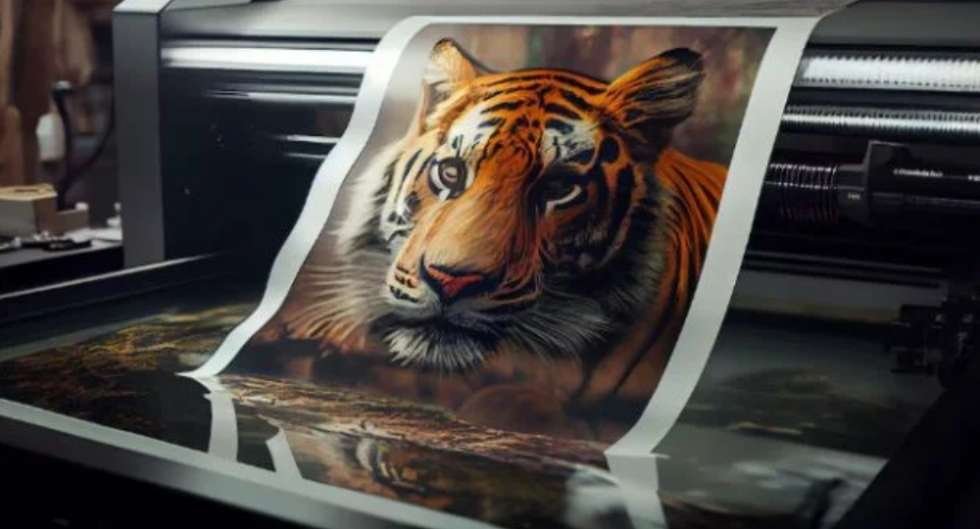
Before printing, always check size, bleed area, trim lines, resolution, and color mode. Most professional print files should be prepared in CMYK, not RGB, because screen colors and printed colors can look different.
Choosing the Right Label Printing Method
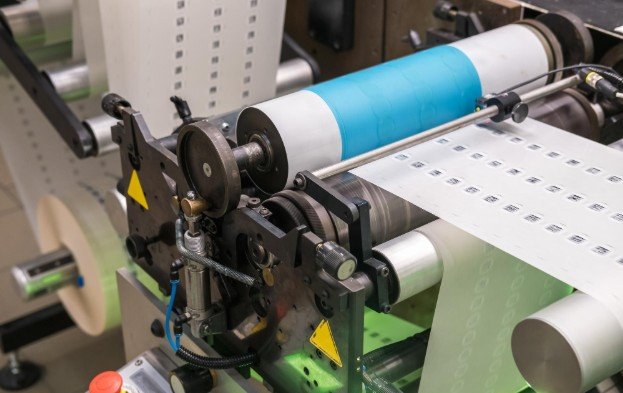
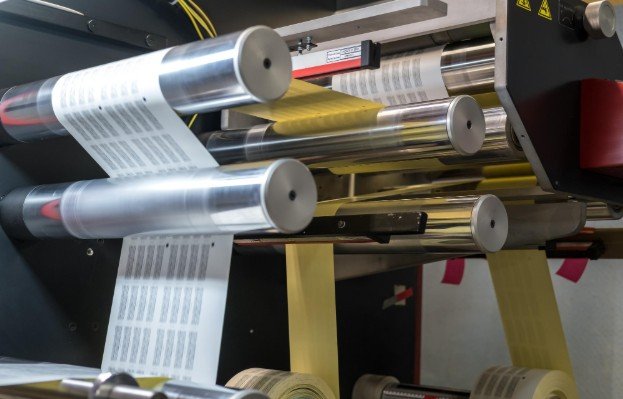
The best printing method depends on your quantity, budget, design, and product use. Digital printing is great for short runs, seasonal products, small businesses, and personalized labels. It allows quick changes and works well when you need flexible designs.
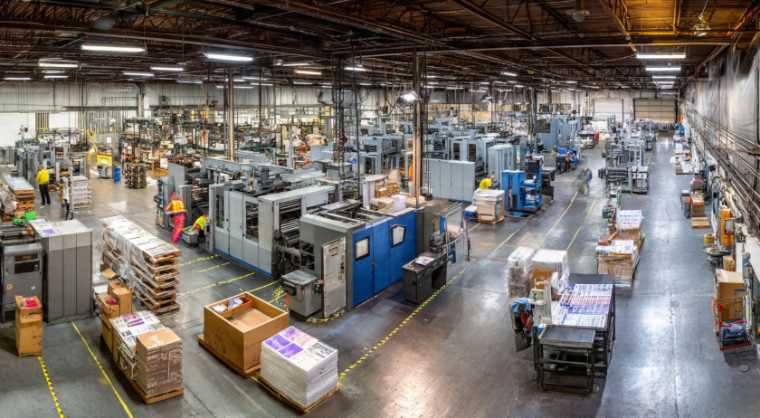
Flexographic printing is better for large orders because it becomes more cost-effective at higher volumes. It is commonly used for packaging labels, food labels, and retail products.
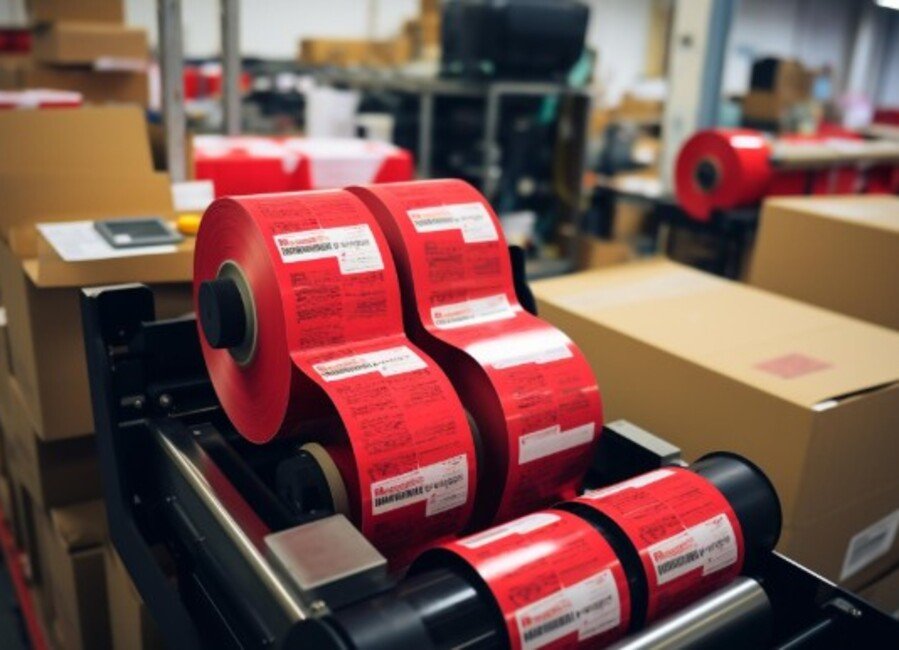
Thermal printing is often used for shipping labels, barcode labels, warehouse labels, and inventory tags. Direct thermal labels are simple and cost-effective, but they can fade with heat or sunlight. Thermal transfer labels last longer because they use ribbon-based printing.
Inkjet and laser printing may work for small internal needs, but professional product labels usually need stronger materials, better color control, and cleaner finishing.
How to Choose the Best Label Materials
Material choice affects how your label looks, feels, and performs. Paper labels are affordable and work well for dry products, boxes, jars, and basic packaging. However, they are not ideal for moisture, oils, or rough handling.
Adhesive choice matters too. A freezer product needs a different adhesive than a candle jar or shipping box. Some labels must stick to glass, plastic, cardboard, metal, or curved containers. Testing before a full print run can save money and prevent packaging problems.
Label Design Best Practices for Better Branding
Your label should match your brand personality. A luxury skincare label may need soft colors, elegant fonts, and a matte finish. A bold snack brand may need bright colors, playful typography, and strong shelf impact.
Keep the main message simple. Customers should understand the product in a few seconds. Avoid tiny text, weak contrast, and overdesigned layouts. If you use QR codes, connect them to something useful, such as product instructions, reviews, recipes, authenticity checks, or reorder pages.
Finishes can also improve appeal. Matte finishes feel clean and modern. Gloss finishes look bright and polished. Foil stamping, embossing, and spot UV can make premium labels stand out, but they should be used carefully so the design does not feel cluttered.
Label Printing Mistakes to Avoid
Many label problems happen before printing begins. Low-resolution logos, missing bleed, wrong color settings, poor font choices, and incorrect sizing can ruin the final result.
Another common mistake is choosing style over function. A label may look beautiful on a screen but fail when applied to a bottle, pouch, box, or jar. Always consider the container shape, surface texture, storage condition, and customer handling.
Brands should also avoid ignoring compliance. Food, cosmetics, supplements, chemicals, and other regulated products may need required details, warnings, ingredients, net weight, manufacturer information, or barcode standards.
Smart Label Printing Tips for Small Businesses
Small businesses can get better results by starting with a clear label goal. Ask what the label must do first. Should it attract attention, explain benefits, support shipping, meet vendor compliance requirements, or improve repeat purchases?
Order samples before committing to large quantities. Compare paper, waterproof, matte, gloss, and clear labels on the actual product container. Check how they look under normal lighting and how well they stick after a few days.
This is where a practical Label Printing Guide becomes useful. It helps you avoid guesswork and make choices based on real product needs instead of design trends alone.
Frequently Asked Questions
1. What is a Label Printing Guide used for?
It helps businesses understand label design, printing methods, materials, finishes, and mistakes to avoid before ordering product labels.
2. Which label material is best for packaging?
Paper works well for dry products, while vinyl, polyester, and BOPP are better for waterproof, freezer, cosmetic, and high-durability needs.
3. Is digital label printing good for small businesses?
Yes. Digital printing is ideal for small batches, custom designs, seasonal products, and brands that need quick updates without large setup costs.
4. What should I check before printing labels?
Check label size, bleed, spelling, barcode quality, color mode, image resolution, adhesive type, and whether the material fits your product environment.
Final Thoughts That Help Your Labels Work Harder
I see label printing as more than a production step. It is part branding, part packaging, part customer experience, and part sales strategy. When your label is clear, durable, attractive, and accurate, your product instantly feels more trustworthy.
The best results come from matching design, material, printing method, and product use. Once those pieces work together, your label does more than stick to a package. It helps your product get noticed, understood, and remembered.