

I wasted hundreds of dollars running online ads before realizing something uncomfortable. My local customers trusted printed materials more than flashy digital campaigns.
That changed how I approached marketing forever.
The debate around digital vs print marketing for small businesses usually becomes extreme. Some marketers claim print is dead. Others believe digital advertising is too crowded and expensive. After testing both across local campaigns, I found the truth sits somewhere in the middle.
The smartest small businesses do not choose one side. They combine both strategically.
Why Small Businesses Still Struggle With Marketing Choices
Most small business owners work with limited budgets. Every dollar matters. That pressure creates confusion when deciding between Facebook ads, Google campaigns, postcards, brochures, or local newspaper promotions.
Digital marketing looks attractive because results appear instantly. You can launch a campaign in minutes and track clicks immediately.
Print marketing feels slower. It costs more upfront. Yet many local businesses still report stronger trust and higher repeat customer rates from physical materials.
That surprised me too.
The real issue is that these channels solve different problems.
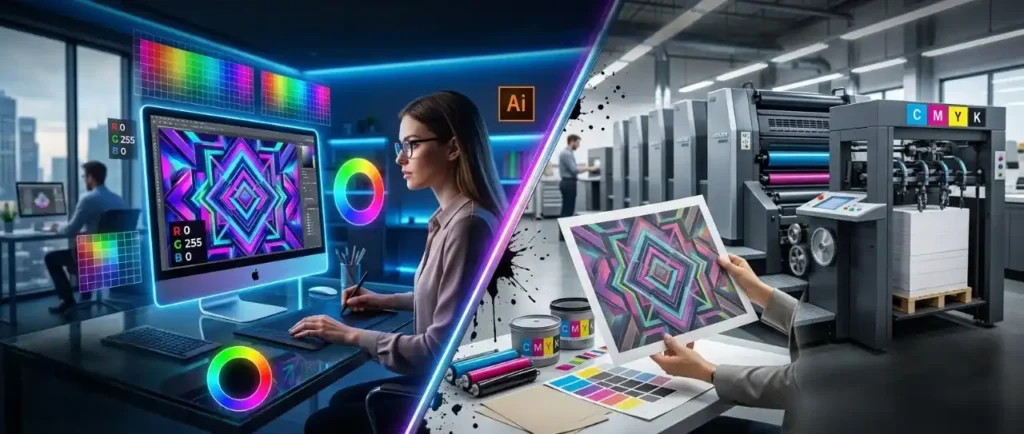
Digital drives fast attention. Print builds deeper credibility.
Once I understood that difference, campaign performance improved dramatically.
What Digital Marketing Does Better Than Print
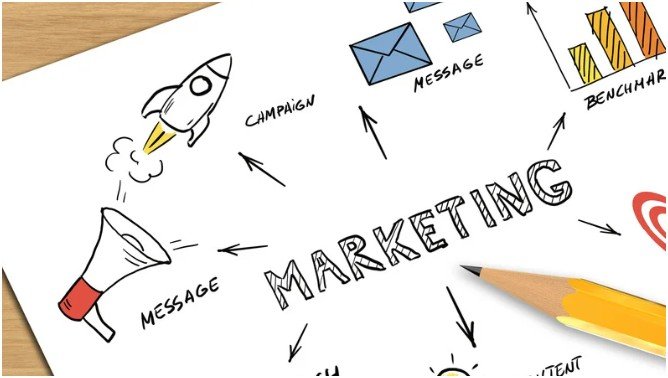
Digital marketing dominates when businesses need speed, flexibility, and measurable results.
Faster Campaign Testing
One major advantage of digital advertising is rapid experimentation.
I can test five headlines on Facebook in one afternoon. I can adjust budgets instantly. I can stop weak campaigns before wasting money.
Print does not allow that flexibility.
A poorly designed flyer stays expensive even after distribution.
This matters for startups and service businesses still learning customer behavior.
Audience Targeting That Saves Budget
Google Ads and Meta platforms allow detailed targeting based on location, interests, search behavior, and demographics.
That precision helps smaller companies compete against larger brands.
A local gym can target nearby residents interested in fitness within a five-mile radius. A dental office can reach parents searching for pediatric services.
Traditional print cannot match that targeting accuracy.
Still, print reaches audiences differently. That distinction matters more than many marketers admit.
Real-Time Performance Tracking
Digital campaigns provide immediate analytics.
You can measure clicks, conversions, bounce rates, call volume, and purchase behavior using tools like Google Analytics.
That feedback loop improves decision-making quickly.
According to the Data & Marketing Association, personalized campaigns often outperform broad campaigns significantly because they align closely with customer intent.
Print marketing struggles with attribution unless businesses use QR codes, vanity URLs, or tracked phone numbers.
Why Print Marketing Still Works in 2026
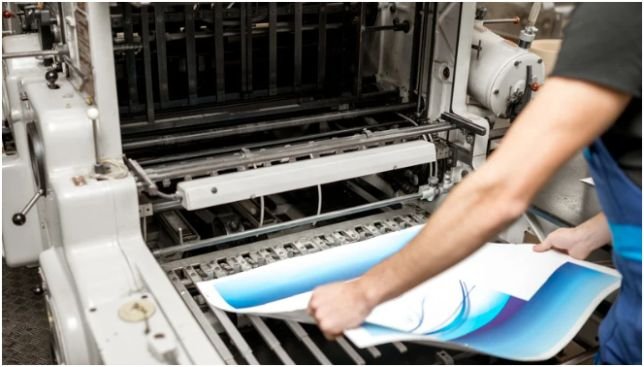
Print marketing survives because human psychology has not changed.
People still trust physical experiences more than temporary digital impressions.
Trust and Local Brand Authority
I noticed something interesting while helping a local restaurant launch promotions.
Instagram ads produced traffic spikes. Printed menus and direct mail generated repeat customers.
Customers viewed physical materials as more legitimate.
This matches findings from research published by Temple University showing print materials often trigger stronger emotional processing and brand recall compared to digital formats.
That trust matters heavily for small businesses competing locally.
Better Memory Retention
Digital ads disappear quickly.
Print stays visible longer.
A brochure on a kitchen counter keeps reminding customers about a business days later. A postcard on a refrigerator creates repeated exposure without additional ad spend.
Neuroscience research suggests physical materials activate sensory memory more strongly than digital scrolling experiences.
That “haptic memory” creates deeper brand retention.
This directly connects to understanding that packaging design affects sales because physical presentation strongly shapes buying behavior and perceived value.
Physical Marketing Creates Longer Attention
Most digital content competes against notifications, emails, and endless scrolling.
Print removes distractions.
When customers hold a catalog, menu, or flyer, their attention becomes more focused.
That slower interaction increases message absorption.
Many businesses underestimate this advantage.
The Hidden Problem With Digital-Only Marketing
Digital marketing costs have increased sharply over the last few years.
Competition on Google and Meta platforms keeps rising. Small businesses now compete against national advertisers with massive budgets.
I have personally seen local ad costs double within months.
That creates dependency risks.
If one platform changes its algorithm or advertising rules, leads can collapse overnight.
Print marketing provides stability because businesses fully control the channel.
Local newspapers, community sponsorships, postcards, and brochures still create reliable visibility without algorithm dependence.
That balance matters more today than ever.
When Small Businesses Should Use Print Instead of Digital
Print performs especially well in local and trust-based industries.
Restaurants, law firms, dental clinics, real estate agencies, home services, and community businesses often benefit more from physical promotions.
I have seen direct mail outperform social ads for local roofing campaigns because homeowners trusted professionally printed materials more than sponsored posts.
Print also works better for older demographics.
According to United States Postal Service consumer studies, direct mail still generates strong engagement rates because recipients physically interact with the material.
That tactile interaction increases attention and trust.
The Best Strategy Combines Both Channels

The strongest marketing systems connect print and digital together.
That combination creates both visibility and trust.
QR Codes and Smart Print Campaigns
QR codes transformed print marketing completely.
A flyer can now send customers directly to booking pages, reviews, menus, or special promotions.
This makes tracking easier while keeping print relevant.
I recently tested QR-based restaurant flyers that produced stronger conversion rates than standalone Instagram campaigns.
The difference surprised even the business owner.
Consistent Branding Across Every Platform
Many businesses weaken their marketing by using inconsistent colors, messaging, and visuals.
Customers remember consistency.
A brochure should visually match the website. Social media graphics should match printed packaging and business cards.
Strong branding increases recognition dramatically.
Local Promotions That Increase Online Sales
One effective strategy combines local print credibility with digital convenience.
For example, a local bakery can distribute postcards with a QR code linking directly to online ordering.
This bridges offline trust with online action.
Businesses using integrated campaigns often see stronger long-term ROI than businesses relying on a single channel.
My Real-World Finding After Testing Both
After running campaigns across local industries, I found a surprising pattern.
Digital marketing usually wins short-term attention.
Print marketing often wins long-term trust.
The best-performing businesses rarely abandon either channel completely.
Instead, they assign different roles to each.
Digital handles discovery, retargeting, and fast promotions.
Print handles credibility, local recall, and customer retention.
That balance creates a more resilient marketing system.
Common Mistakes Small Businesses Make

One major mistake is chasing trends instead of customer behavior.
Not every business needs TikTok ads. Not every company benefits from expensive brochures.
Another mistake is inconsistent branding across channels.
Businesses also fail when they ignore tracking completely. Even print campaigns should use trackable URLs, promo codes, or QR systems.
The final mistake is assuming younger audiences ignore print entirely.
That assumption is wrong.
Many younger consumers still respond positively to premium packaging, postcards, event materials, and branded inserts because physical experiences feel more authentic.
Frequently Asked Questions
1. Is digital vs print marketing for small business still relevant today?
Yes. Both channels continue producing results for different goals. Digital drives speed and targeting, while print builds trust and long-term brand recall.
2. Which is cheaper for small businesses?
Digital marketing usually has lower upfront costs. Print often costs more initially but may generate stronger local trust and customer retention.
3. Does print marketing still work in the United States?
Yes. Direct mail, brochures, flyers, and local publications still perform well, especially for community businesses and service industries.
4. Can small businesses combine print and digital marketing?
Absolutely. QR codes, tracked URLs, and integrated campaigns help businesses connect physical promotions with online conversions.
5. Which industries benefit most from print marketing?
Real estate, restaurants, healthcare, legal services, home improvement, and local retail businesses often see strong print marketing results.
Your Marketing Should Not Pick Sides
The businesses growing fastest right now are not blindly choosing digital or print.
They are building systems that use both intelligently.
Digital marketing creates reach. Print marketing creates memory.
One grabs attention quickly. The other earns trust slowly.
When those strengths work together, small businesses stop depending on a single channel and start building stronger customer relationships that survive changing algorithms and rising ad costs.
That combination changed how I market completely. It may change how your business grows too.