Walk through any busy retail store today, and one thing becomes obvious fast: most people barely notice traditional signage anymore. Posters blend into the background. Static displays become part of the walls. Even promotional banners lose impact after a few seconds. Shoppers are constantly filtering information, especially in crowded retail environments where attention is already stretched thin.
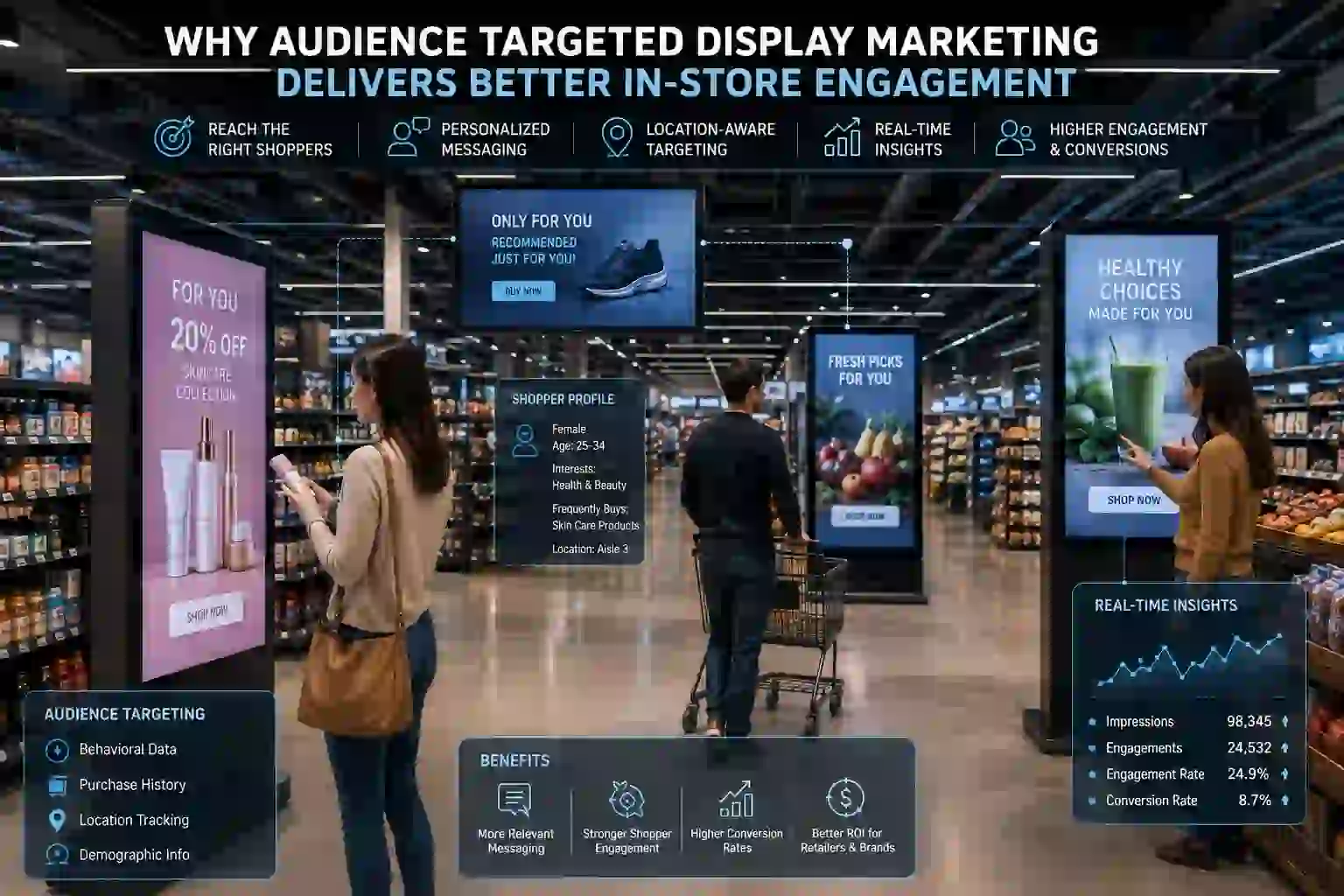
That is exactly why audience-targeted display marketing is becoming a bigger part of modern retail strategy. Instead of showing the same message to everyone, brands are now using behavioral insights, location data, and shopper patterns to make displays feel more timely and relevant. When done well, it does not feel like advertising at all. It feels helpful. And inside a store, that difference matters more than most marketers realize.
Why Generic In-Store Advertising No Longer Works
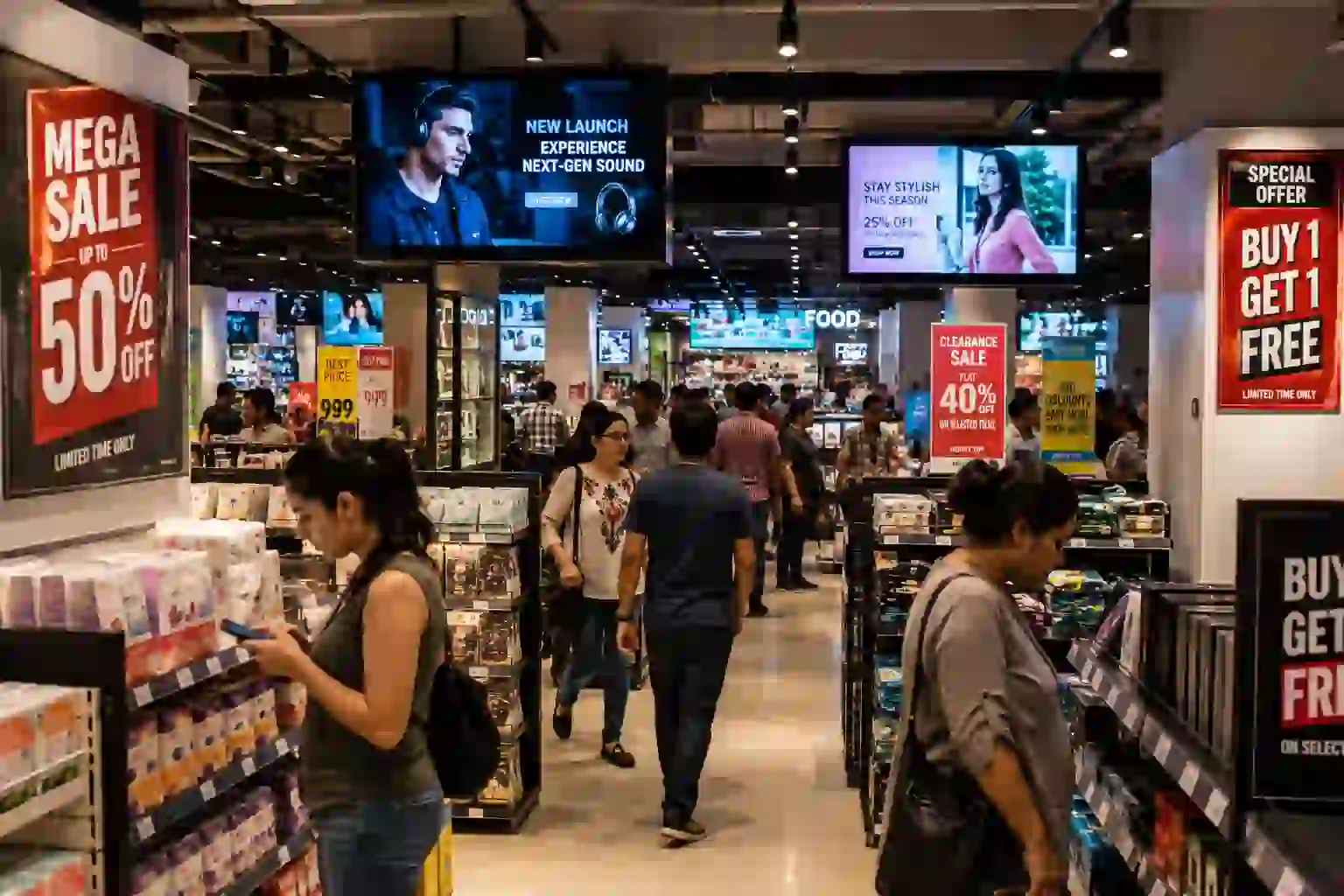
Retail spaces are overloaded with visual noise. Customers see promotional signs at entrances, checkout counters, aisle displays, shelves, kiosks, and overhead screens. After a while, the brain simply stops processing most of it.
This is often called display blindness. People ignore messages that feel repetitive or irrelevant. A generic “20% Off” sign might technically be visible, but it is not emotionally engaging enough to interrupt shopping behavior.
Audience-based marketing changes that dynamic. Instead of broadcasting one message to every shopper, brands can deliver targeted display advertising that matches real customer interests, habits, or buying intent. That relevance increases the chance of engagement because the content feels connected to what the shopper already cares about.
A home improvement customer looking at paint supplies reacts differently to a customized color inspiration display than they would to a random seasonal promotion. Timing and context completely change the experience.
The Power Of Reaching Customers At Decision-Making Moments
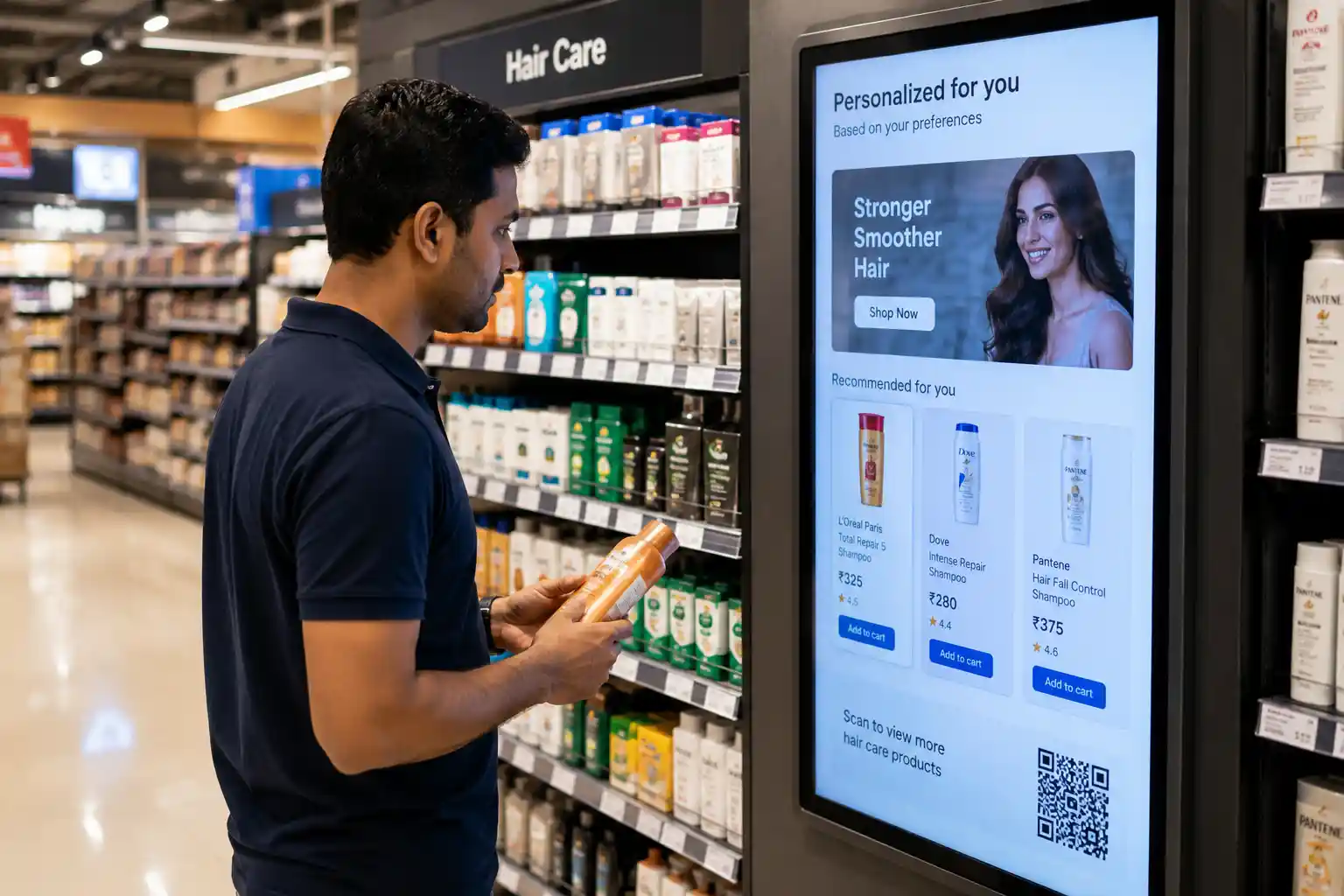
One reason audience-targeted display marketing performs so well is that it reaches people when they are already close to making a purchase.
Online advertising still plays an important role, but in-store digital advertising reaches customers at the final stage of the shopper journey. The product is nearby. The price is visible. The buying decision is active in real time.
Retailers have started understanding that customer attention inside stores is incredibly valuable because it is tied directly to action. Smart retail displays are now being designed around those micro-moments where people are most likely to respond.
Location-Based Targeting Makes Messaging Feel More Relevant
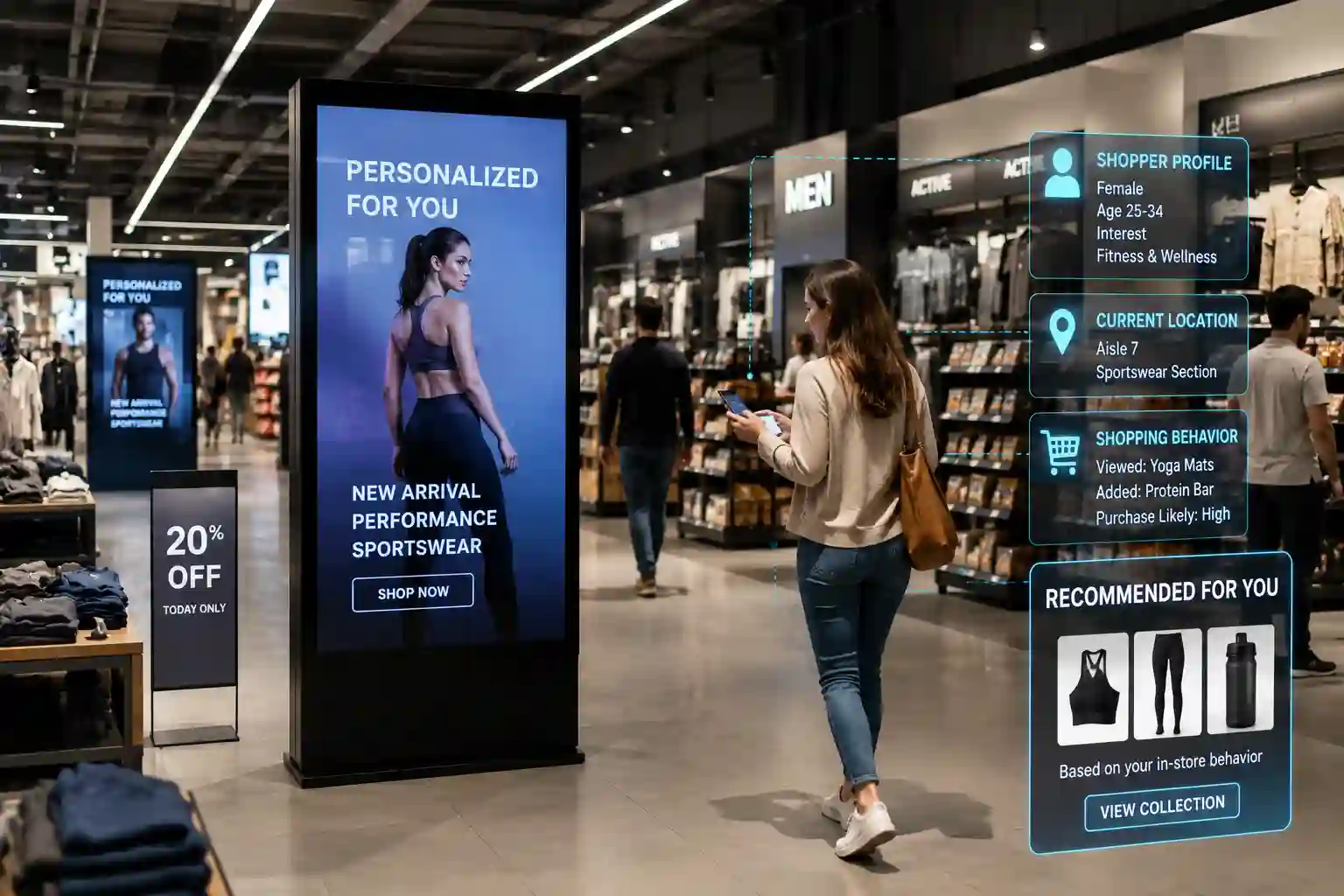
One of the strongest advantages of digital display marketing is location-based relevancy.
Brands can now use audience segmentation and habitual location data to understand where shoppers spend time and what environments they frequently visit. That allows marketers to create more contextual advertising experiences.
For example:
- A fitness brand can target shoppers who regularly visit gyms or health stores
- A beauty company can promote skincare products near wellness aisles
- A coffee chain can trigger breakfast-focused messaging during morning commuter hours
These small adjustments make displays feel more aligned with real customer behavior.
This is also where the future of digital signage becomes more interesting. Retail screens are no longer passive displays. They are becoming responsive communication tools shaped by customer movement, shopping patterns, and real-time analytics.
Audience Targeting Helps Connect Online And Offline Behavior
One major shift happening in retail media networks is the blending of digital intent with physical action.
Many shoppers now discover products online but complete purchases in-store. Audience-targeted display marketing helps bridge that gap.
A customer who previously browsed running shoes online might later see an in-store digital signage solution highlighting the same product category. Some retailers now integrate:
- Real-time inventory checks
- Store navigation maps
- Loyalty rewards
- QR-based product information
- Mobile-connected promotions
This creates a smoother omnichannel marketing experience without making the transition between online and offline shopping feel disconnected.
The strongest retail strategies today are not separating digital and physical engagement anymore. They are combining both into one continuous customer journey.
Why Retailers Are Investing More In Retail Media Networks
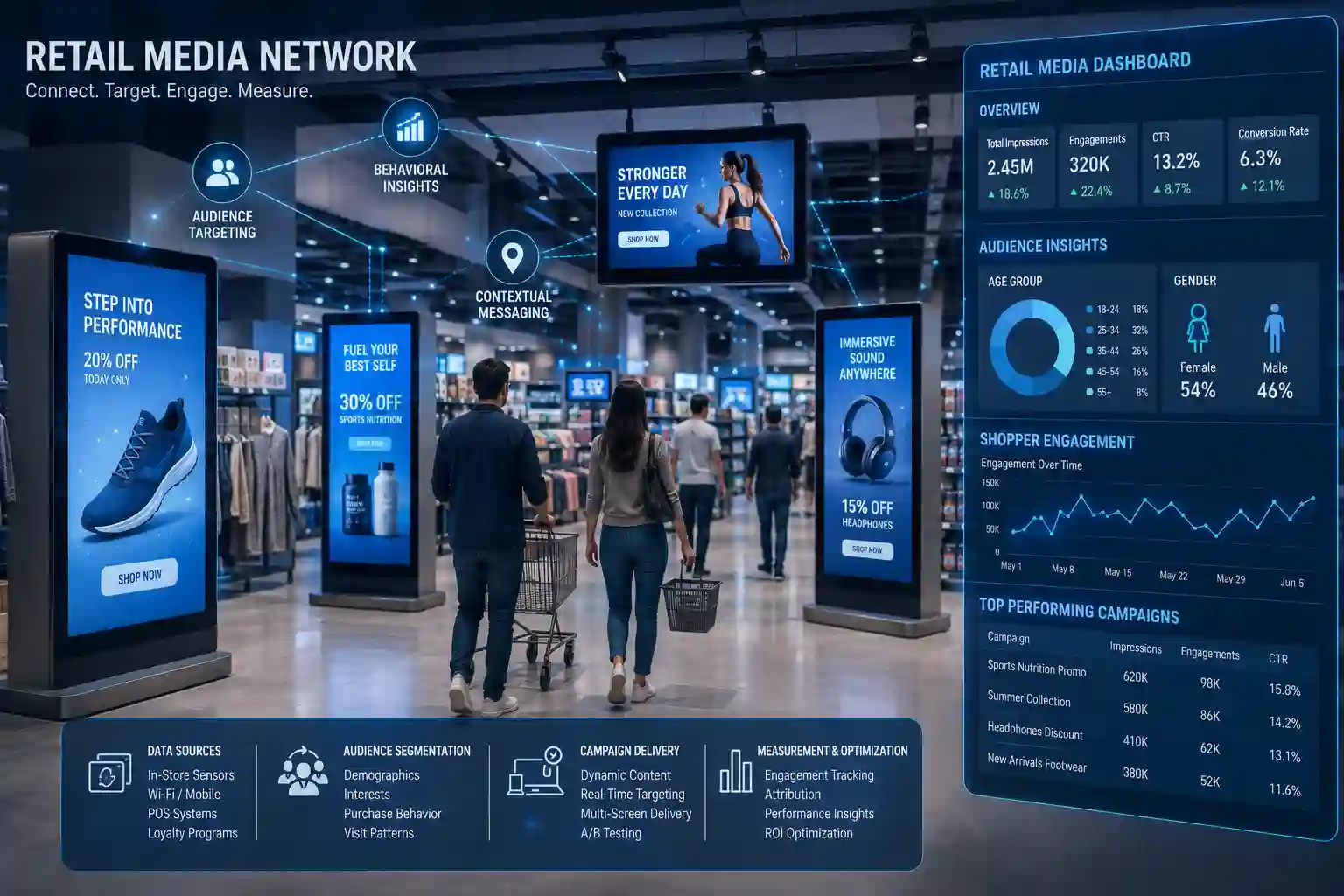
Retailers are also seeing financial value beyond customer engagement.
Retail media networks allow stores to monetize their in-store technology infrastructure by offering premium targeted placements to brands. Instead of relying only on shelf positioning, advertisers can now pay for data-driven advertising opportunities tied to shopper behavior and audience insights.
This creates new revenue streams while keeping messaging more relevant for customers.
Compared to traditional mass advertising, programmatic display advertising inside stores is more measurable. Brands can analyze:
- Dwell time
- Foot traffic
- Conversion rates
- Shopper engagement
- Behavioral targeting performance
That level of retail analytics gives marketers clearer visibility into what actually influences purchasing decisions.
That human side of consumer behavior is something many brands are still learning.
FAQs:
1. What Is Audience Targeted Display Marketing?
Audience-targeted display marketing is a strategy that uses customer data, behavior, and audience insights to deliver personalized advertising messages through digital displays and in-store screens.
2.How Does Audience Targeted Display Marketing Improve In-Store Engagement?
It improves engagement by showing more relevant content to shoppers during active buying moments, increasing attention, interaction, and purchase intent.
3.What Industries Benefit Most From Audience Targeted Display Marketing?
Retail, grocery, fashion, restaurants, electronics, pharmacies, and transportation hubs often benefit the most because they rely heavily on customer attention and impulse buying behavior.
4.Is Audience Targeted Display Marketing Better Than Traditional Signage?
In many cases, yes. Personalized digital display marketing tends to generate better shopper engagement, stronger recall, and higher conversion rates than static signage because the messaging feels more contextual and timely.
Wrapping Perspective
Audience-targeted display marketing works because it respects how people actually shop today. Customers move quickly, compare options instantly, and ignore anything that feels generic. In-store engagement improves when displays become more relevant, better timed, and connected to real customer intent rather than broad demographic assumptions.
Retail environments are becoming smarter, but the real goal is not technology for the sake of technology. It is creating experiences that feel easier, more useful, and less disruptive for shoppers. The brands that understand that balance are usually the ones customers remember long after they leave the store.