

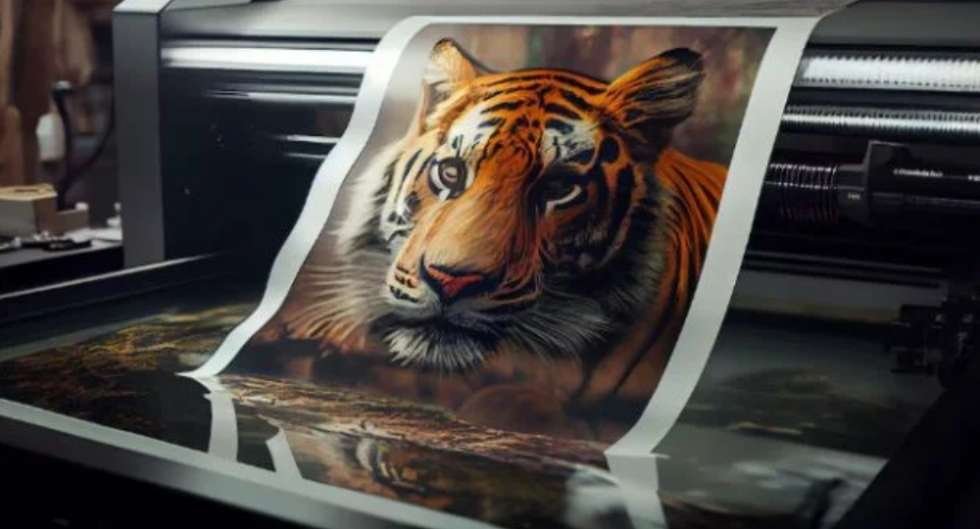
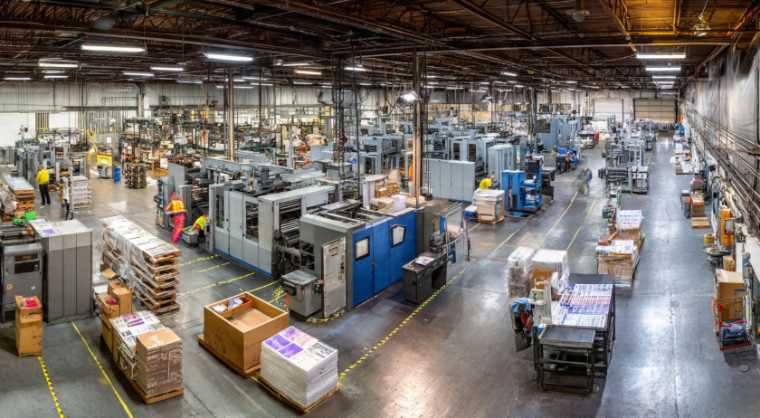
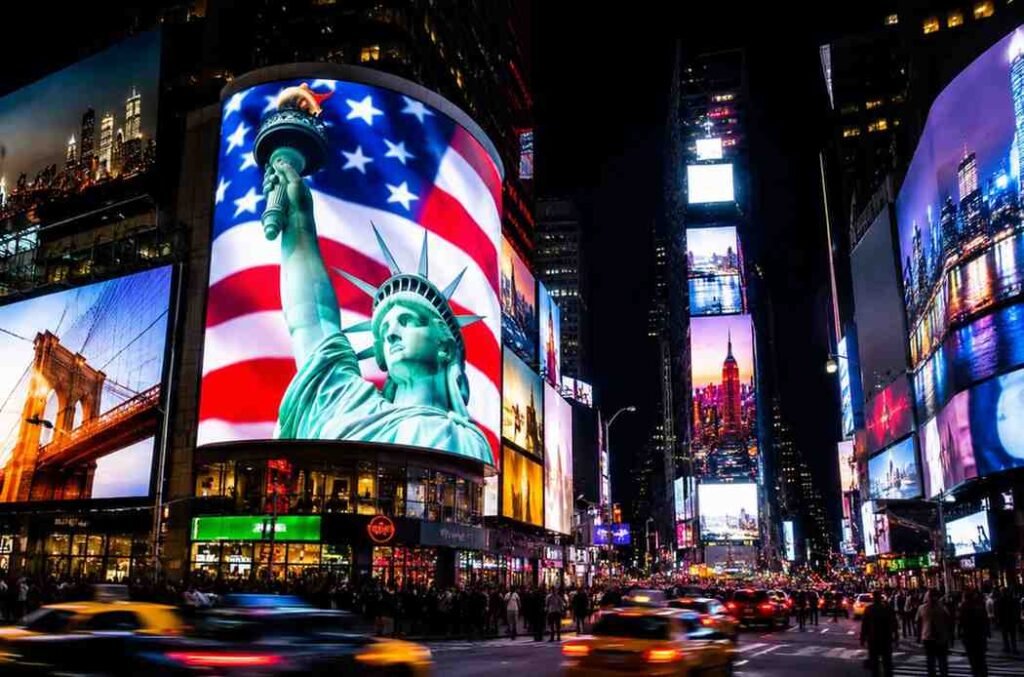
Most people stop noticing displays after a while. That’s just how crowded public spaces have become. Walk through a shopping district, airport, trade show, or downtown street, and your brain automatically filters out most signs within seconds. But every now and then, something breaks through the noise. You look up. You slow down. Sometimes you even pull out your phone to record it.
The interesting part is that the displays that truly grab attention are not always the loudest. Some are massive and cinematic, while others are surprisingly minimal. What they all have in common is that they interrupt predictable visual patterns. They create a moment that feels different from everything around them. That is what makes high-impact visual displays work so well today.
Why Some Visual Displays Instantly Stand Out
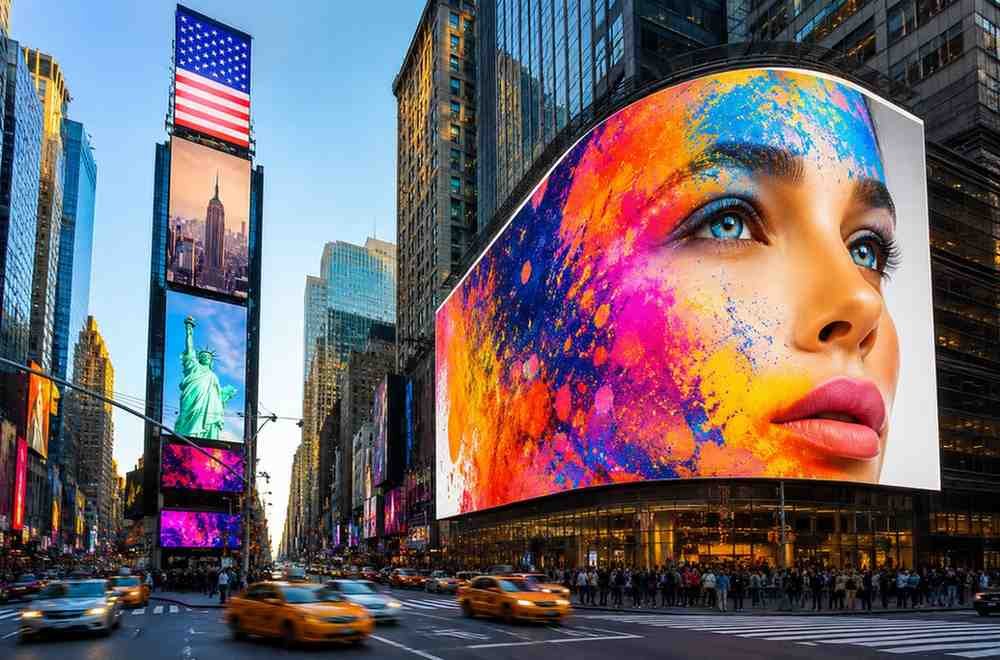
A strong visual display usually succeeds because it triggers curiosity before the viewer fully understands what they are looking at. Scale, motion, lighting, contrast, and spatial illusion all play a role here. People naturally react to things that feel unexpected in familiar environments.
This is why oversized installations, immersive retail spaces, and dynamic digital signage continue to dominate modern display design. Brands are no longer competing only for visibility. They are competing for seconds of human attention.
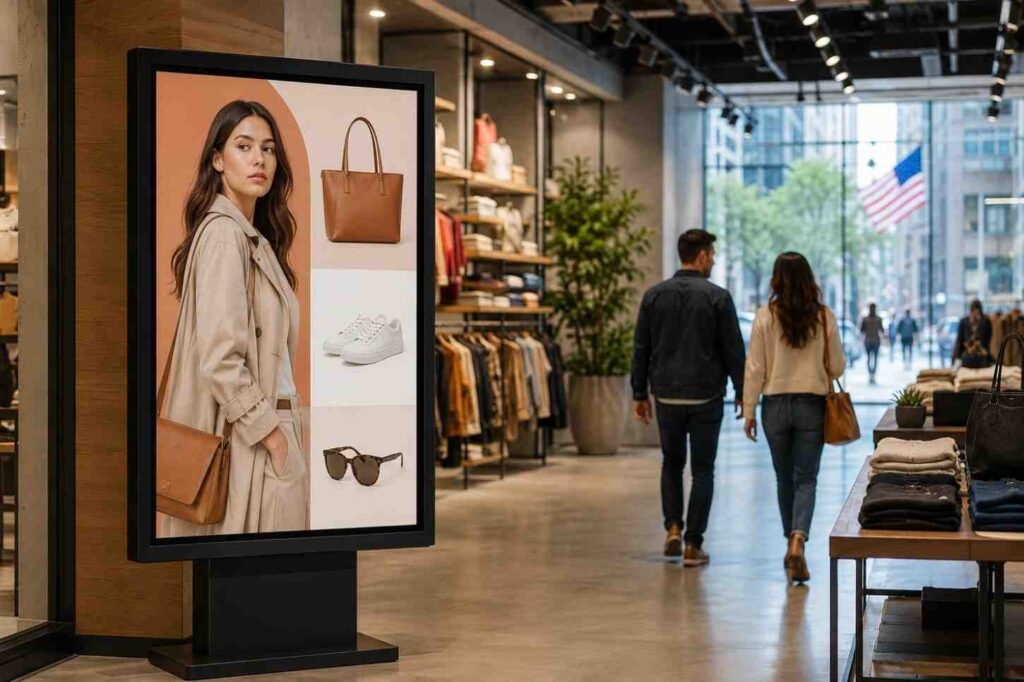
Many modern businesses are also shifting toward cleaner and more adaptive display systems. That is partly why conversations around smart e-paper signage meaning have become more common in retail and hospitality environments, where constant screen brightness can feel overwhelming or distracting.
Naked-Eye 3D Billboards
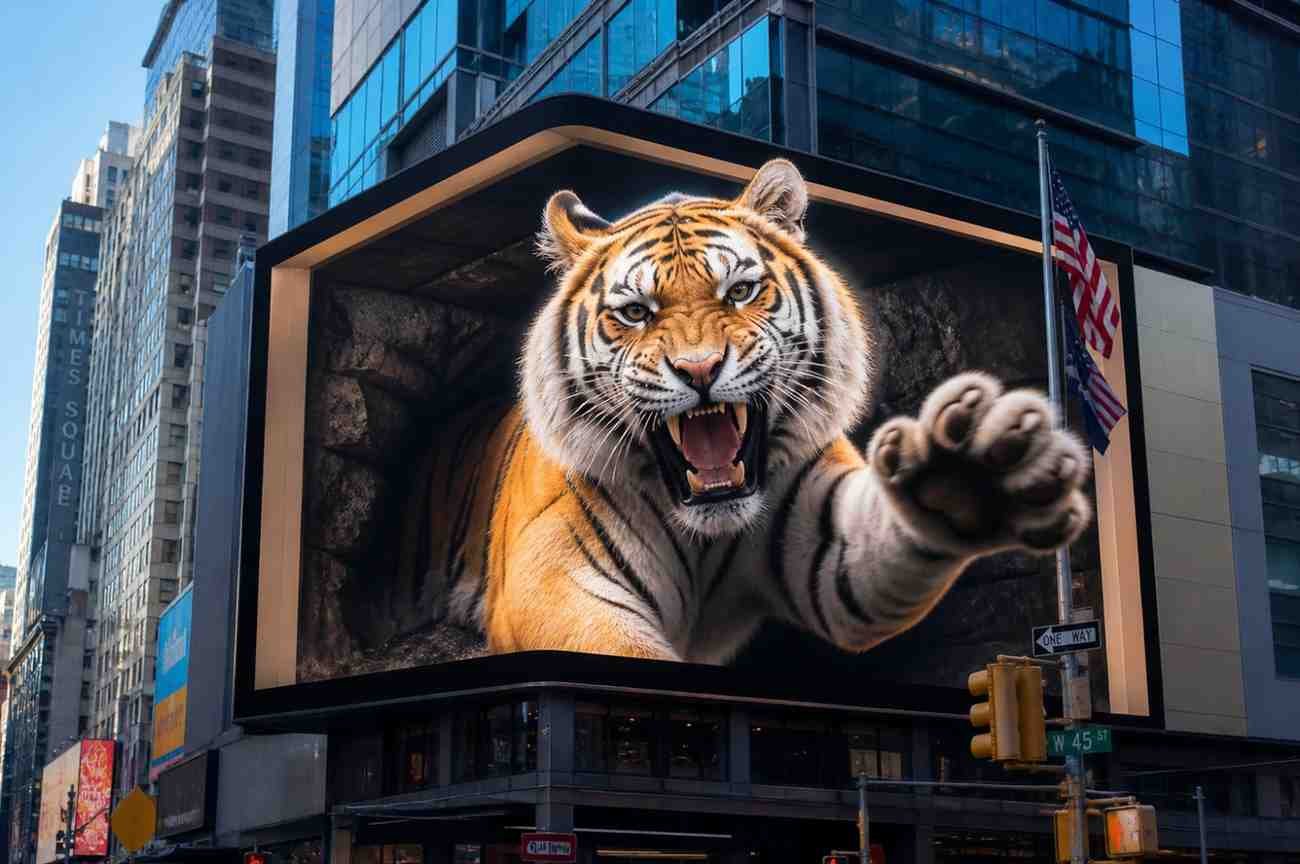
One of the strongest high-impact visual display examples right now is the rise of naked-eye 3D billboards. These displays create anamorphic illusions that make digital objects appear as though they are extending outside the screen.
The reason they work is simple. The human eye is trained to recognize depth and physical movement. When a giant sneaker appears to float above a street corner or a tiger looks like it is pacing inside a building wall, people instinctively stop and look twice.
Some displays focus on oversized product animations:
- Floating sneakers
- Giant beverage bottles
- Cosmetics appear to spill out of the screen
Others create immersive environmental scenes with:
- Moving ocean waves
- Futuristic cityscapes
- Animated wildlife
The famous Shinjuku Giant Cat display became globally recognizable because it blurred the line between architecture and animation. Even people who had never visited the area recognized the display online because it felt strangely real.
Architectural Projection Mapping
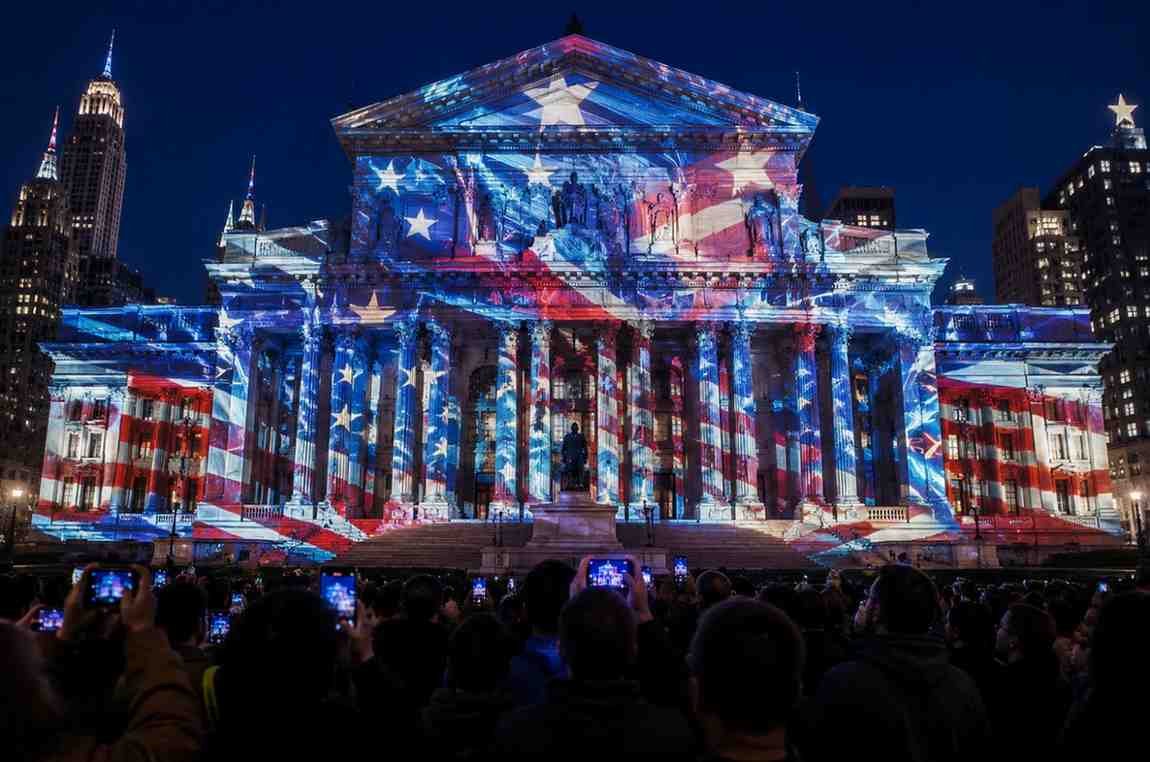
Projection mapping has changed how buildings are used during public events, concerts, and festivals. Instead of treating architecture as static, projection systems turn entire structures into moving visual experiences.
A historic building can suddenly appear to crack open, melt, shift colors, or rebuild itself in front of a crowd. The physical structure remains unchanged, but the projected visuals completely alter how people perceive the space.
This approach works especially well during:
- City festivals
- Product launches
- Sports events
- Cultural celebrations
- Brand activations
What makes projection mapping effective is the emotional scale. Watching a small digital screen is passive. Watching an entire building transform feels immersive. People become part of the environment rather than just observers.
Many hospitality brands and entertainment venues now use projection technology inside interiors as well. Restaurants, museums, and experiential spaces increasingly rely on animated walls and ambient motion graphics to shape customer mood and interaction.
Oversized Installations And Public Art
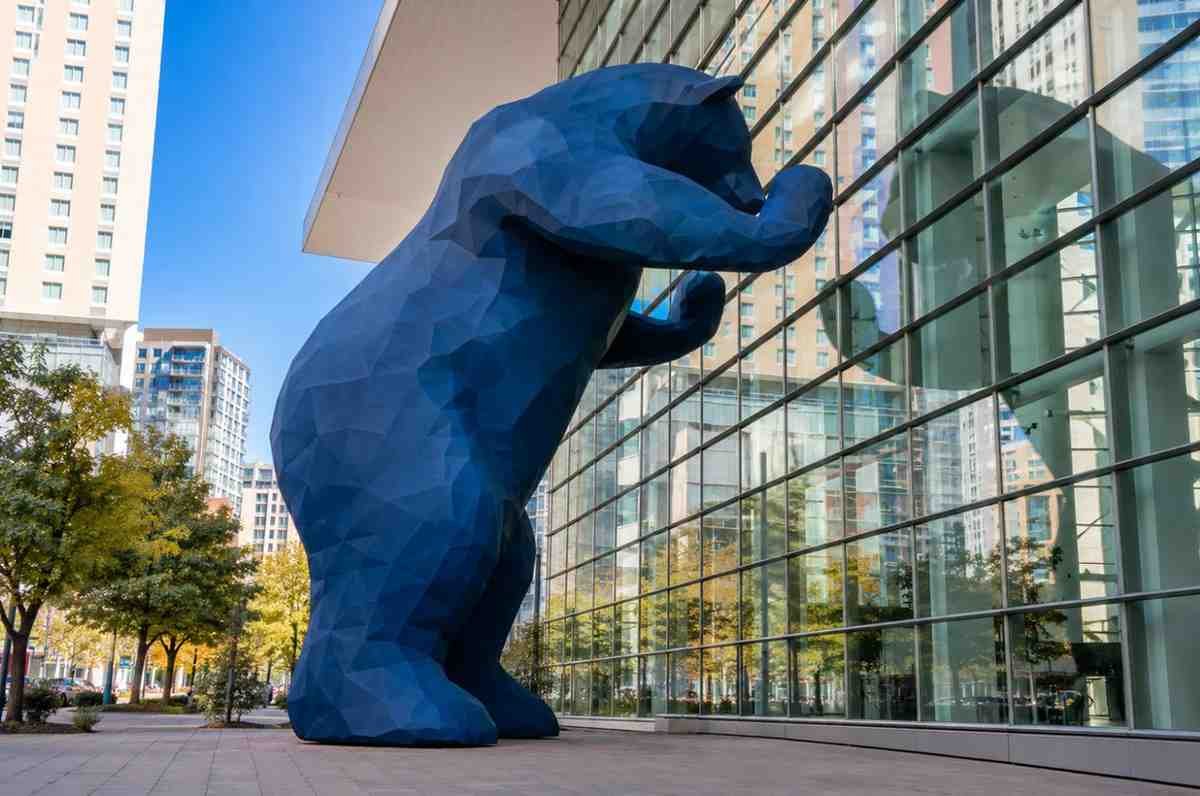
Large-scale installations remain one of the oldest but most effective visual attention tools. When something appears physically out of scale, people react almost immediately.
That reaction comes from disruption. A massive sculpture, inflatable structure, or reflective installation interrupts the normal rhythm of a public environment.
Some of the most recognizable examples include:
- Giant product replicas in city squares
- Interactive mirrored sculptures
- Pop-up structures made from shipping containers
- Inflatable branded installations at outdoor events
Cloud Gate in Chicago is a strong example of how interaction increases visual impact. People do not just photograph it. They walk around it, touch it, and engage with the reflections. The display becomes an experience instead of background scenery.
Social media has amplified the value of these installations even more. A visually unusual structure naturally encourages sharing, which extends the display’s reach far beyond its physical location.
Immersive Retail Displays
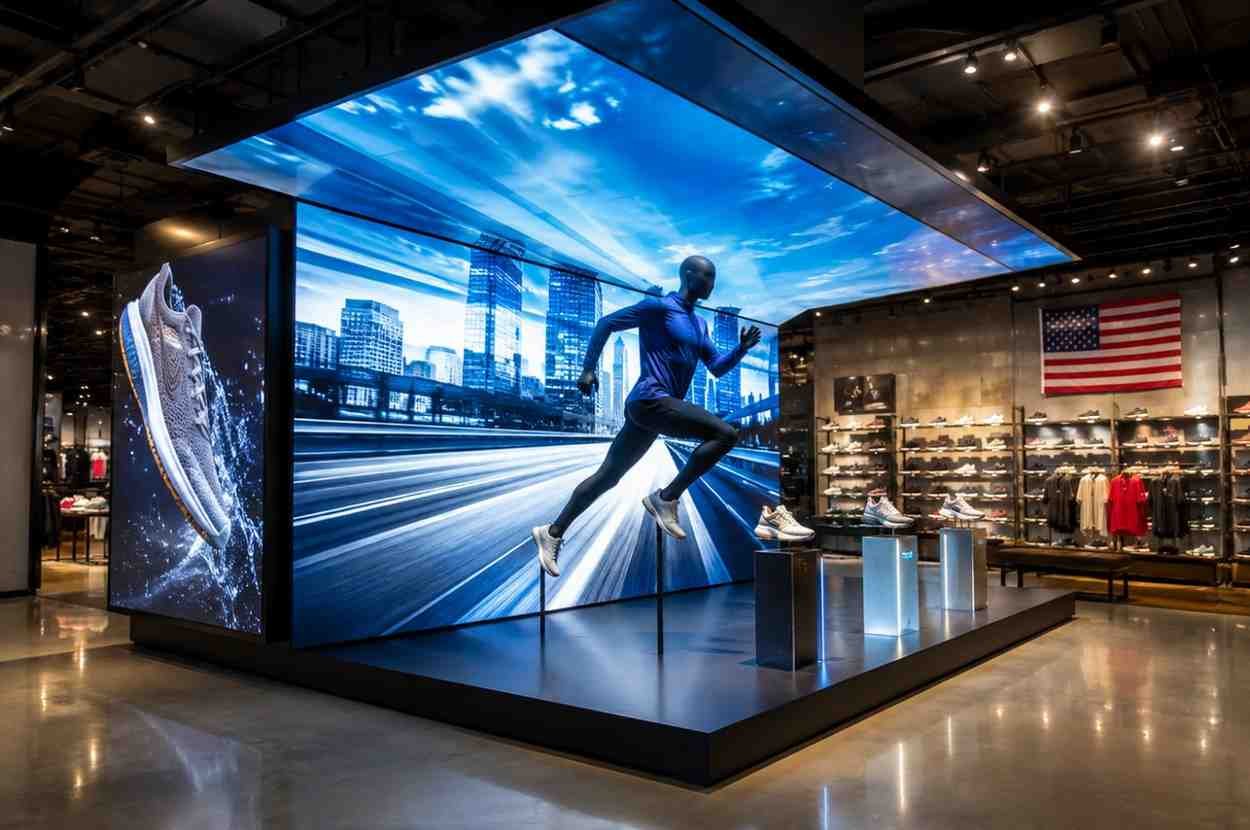
Retail spaces have changed dramatically over the last few years. Traditional shelving and static signage are no longer enough to hold attention for long.
Many modern retail display ideas now focus on creating an environment rather than simply presenting products. Lighting, sound, texture, and motion are carefully layered together to guide customer behavior inside a space.
Creative window displays still play a huge role here. Stores using surreal shapes, oversized props, strong color contrast, and dynamic lighting usually create stronger foot traffic engagement than stores relying only on product placement.
Trade shows have evolved in a similar way. Exhibition booths are becoming more immersive and experience-driven because crowded event halls force brands to compete aggressively for visibility.
Some high-performing booth strategies include:
- Living plant walls
- Neon edge lighting
- Interactive touchscreens
- Motion-triggered visuals
- Large suspended structures
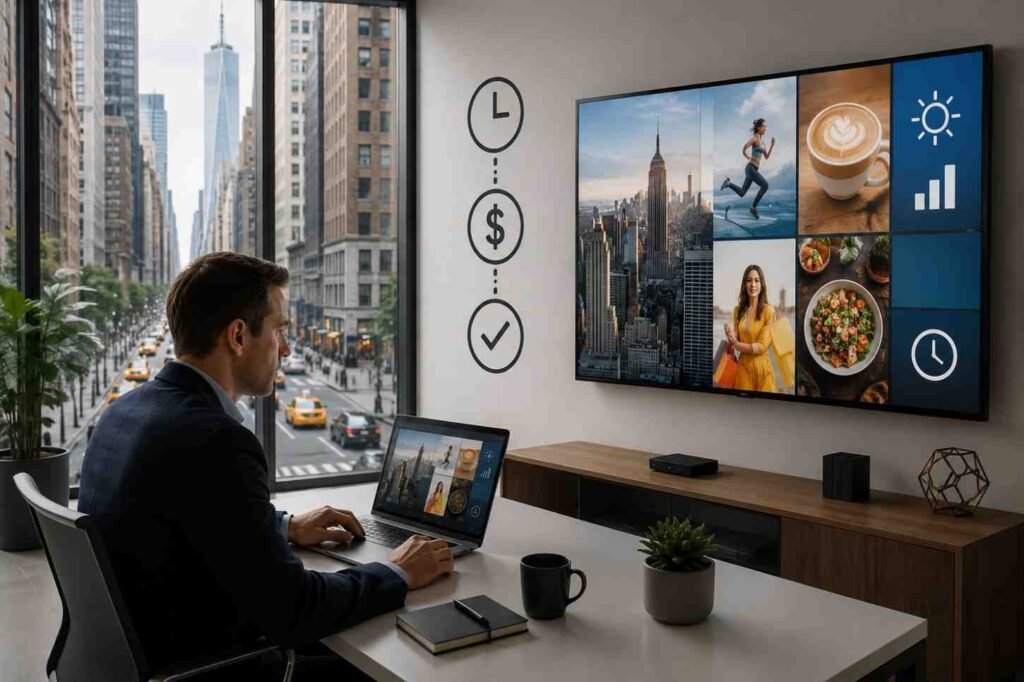
Interactive digital signage is especially effective because it changes passive viewing into active participation. Displays that react to movement or touch naturally hold attention longer than static screens.
FAQ’s: High Impact Visual Display Examples That Actually Grab Attention
1. What is considered a high-impact visual display?
A high-impact visual display is any installation, screen, or physical setup designed to immediately attract attention through scale, motion, lighting, interactivity, or visual contrast.
2. Why do 3D billboards attract so much attention?
3D billboards create optical depth illusions that make digital objects appear physically real. This unexpected realism naturally interrupts normal viewing behavior and draws attention.
3. Are immersive retail displays effective for small businesses?
Yes. Small businesses can use creative lighting, interactive signage, window displays, and minimalist layouts to create strong visual engagement without massive budgets.
4. What industries use high-impact visual displays the most?
Retail, hospitality, entertainment, transportation, sports venues, exhibitions, museums, and real estate brands commonly use immersive and attention-grabbing displays.
Wrapping Notes
The strongest visual displays are not always the most expensive ones. What matters more is whether they create a genuine pause in a fast-moving environment. People remember displays that feel unexpected, immersive, or emotionally engaging because those moments break routine behavior. That is why brands continue investing in projection mapping, immersive signage, oversized installations, and interactive retail environments. The goal is no longer just visibility. It is memorability.
As public spaces become more visually crowded, the displays that succeed will be the ones that feel intentional, clean, and impossible to ignore.