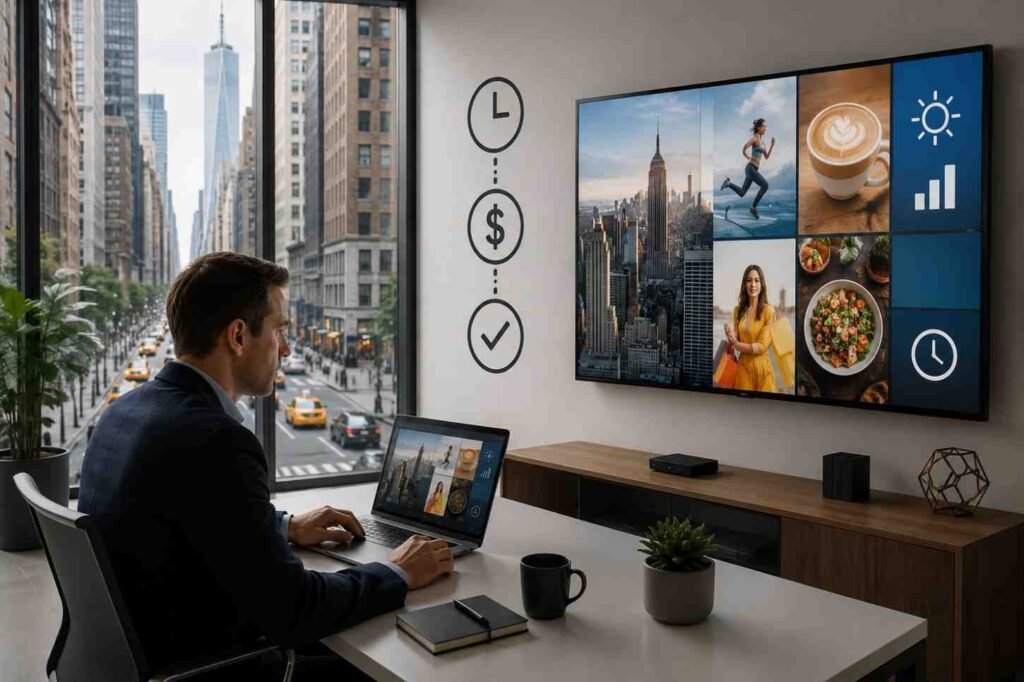


A few years ago, most digital signage looked the same. Bright LED screens, flashy animations, and constant power usage were considered normal in retail stores, transportation hubs, and commercial spaces. But things have started shifting. Businesses now want displays that are cleaner, easier on the eyes, energy efficient, and more sustainable without sacrificing remote control or smart connectivity.
That shift is one reason why people are searching for smart e-paper signage, meaning more than ever. At first glance, these displays almost look like printed posters or paper signs. But behind that paper-like appearance is a surprisingly advanced system that can update content wirelessly while using barely any electricity. For retailers, corporate offices, and public-facing businesses, it has quietly become one of the more practical display technologies available today.
What Is Smart E-Paper Signage?
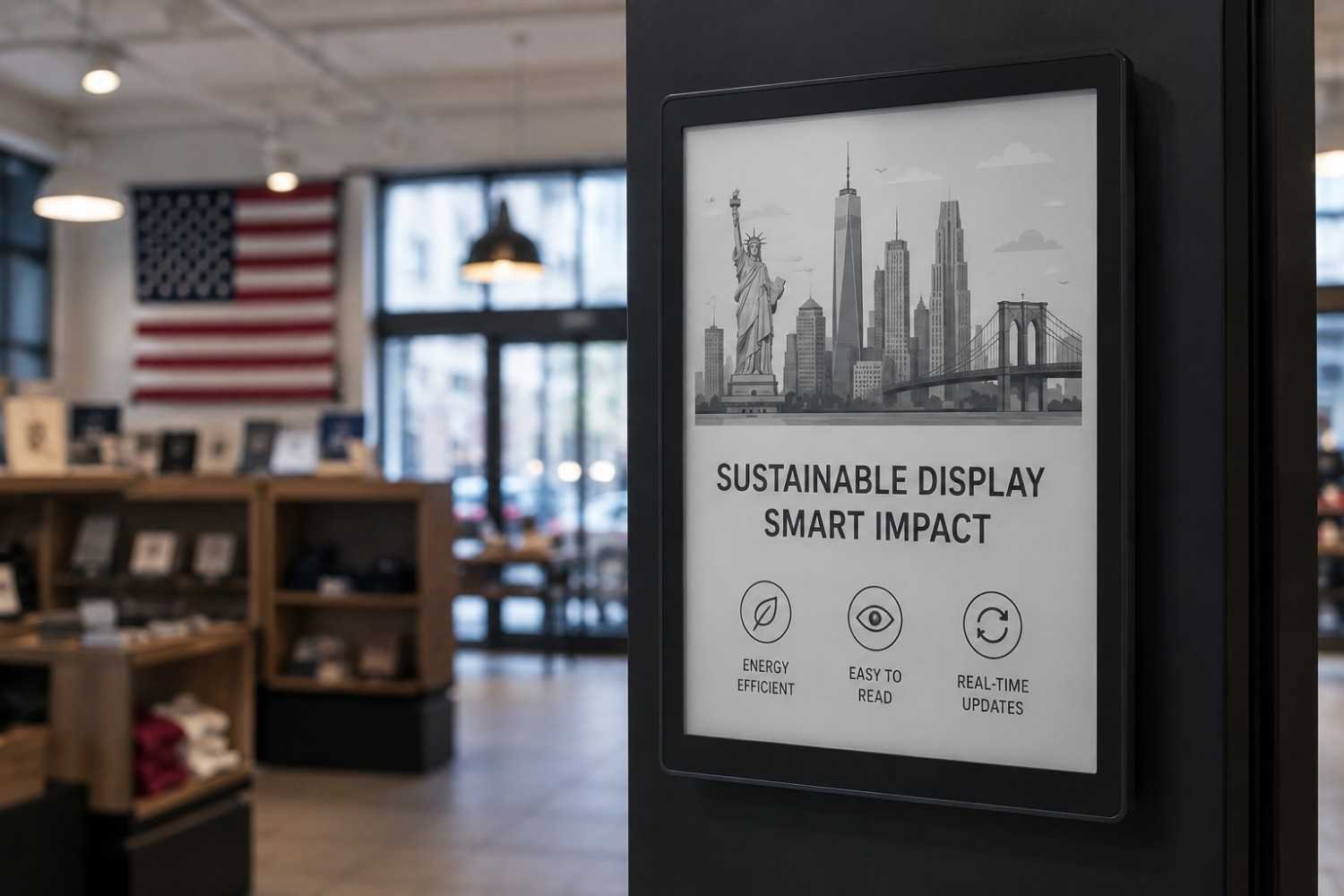
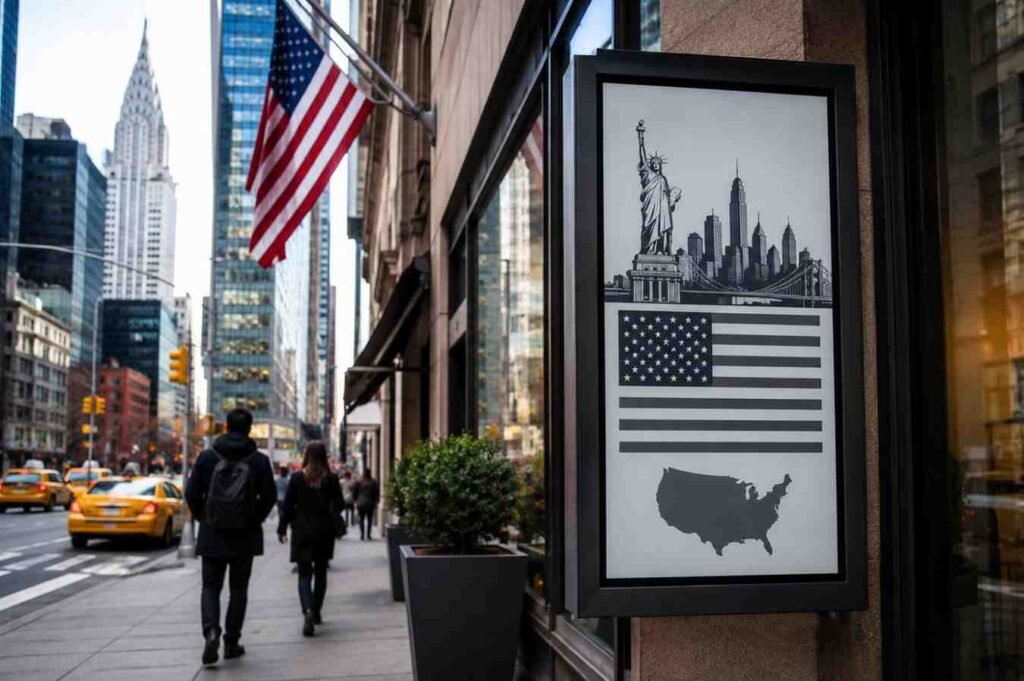
Smart e-paper signage is a digital display technology that mimics the appearance of real ink on paper. Unlike LCD or LED displays, it does not produce its own light. Instead, it reflects ambient light from the surrounding environment, which makes the screen comfortable to read even under direct sunlight.
This is why electronic paper displays often feel more natural to the human eye. There is no glare-heavy brightness fighting for attention. The content simply sits on the display the same way text appears on a printed page.
The “smart” part comes from the connected software ecosystem behind the display. Most modern e-ink signage systems can be managed remotely through cloud-based platforms using Wi-Fi or Bluetooth. A business can update pricing, promotional content, schedules, or announcements across multiple locations without physically replacing posters or signs.
That is one reason these systems are becoming more common in modern retail environments, where fast updates matter.
How Smart E-Paper Signage Actually Works
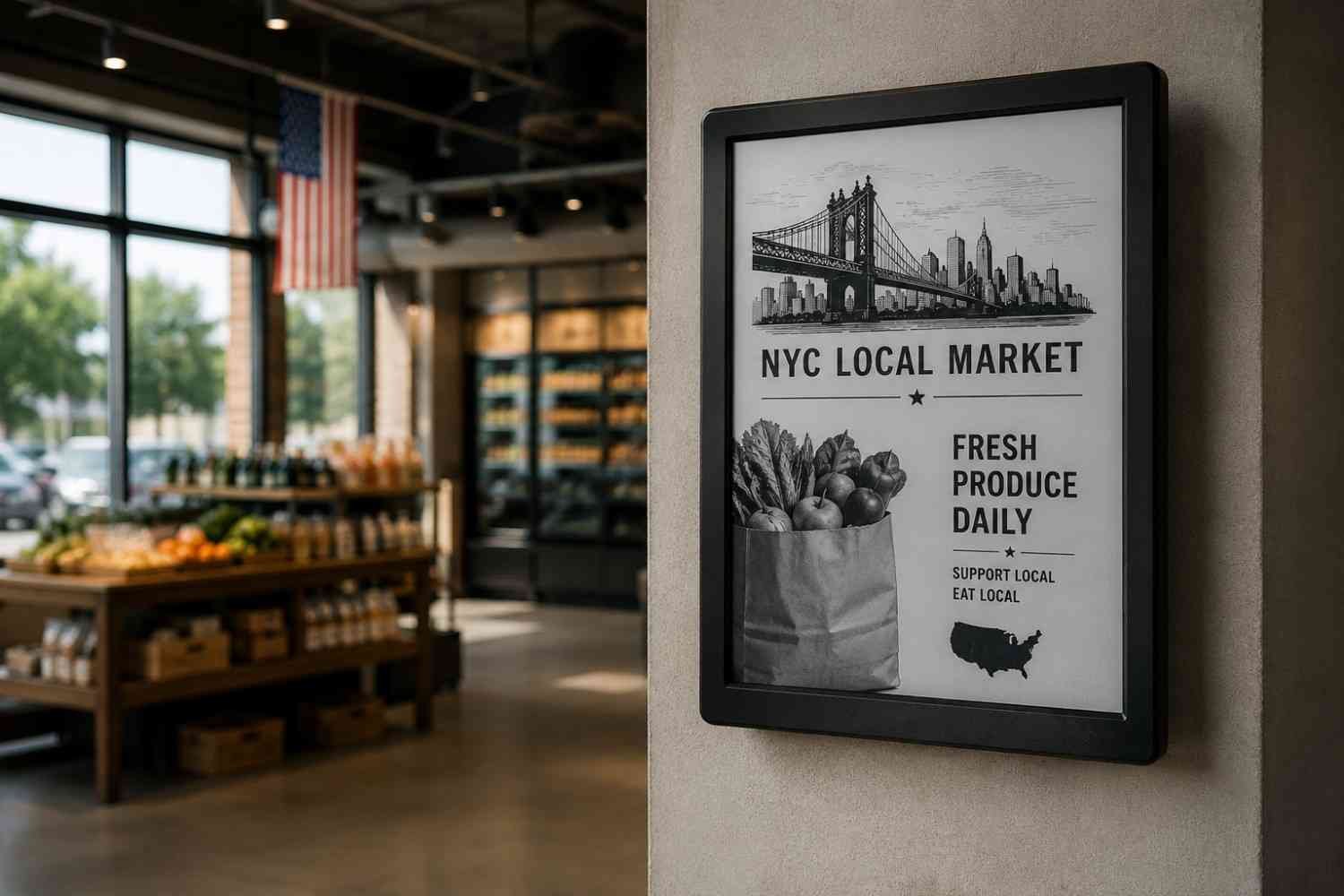
The technology behind e-paper digital signage sounds complicated at first, but the basic concept is surprisingly simple.
At the center of the display are millions of tiny microcapsules filled with transparent fluid. Inside those capsules are microscopic particles carrying different electrical charges. Typically, white particles carry one charge while black particles carry another.
When an electric field is applied, the particles move.
A negatively charged field pushes black particles toward the visible surface of the screen, making that specific area appear black. The opposite movement creates white sections. Together, these tiny movements form text, graphics, and images on the display.
One of the most important features is something called bistability. Once the particles settle into position, they remain there even when power is removed. The display only consumes electricity when content changes.
That single characteristic completely changes how low-power digital signage operates.
Traditional displays constantly consume energy because they continuously refresh the screen and emit light. Smart e-paper signage can display a static advertisement, menu, timetable, or product price for days or even months without additional power use.
Why Businesses Are Paying Attention To E Ink Signage

Energy efficiency is the biggest reason many companies are adopting electronic signage technology, but it is not the only one.
In physical retail settings, readability matters more than many businesses realize. Bright LED displays sometimes become difficult to read in sunlight or well-lit storefronts. Reflective display technology solves that problem naturally because visibility improves with external light rather than fighting against it.
Another advantage is the viewing experience itself. E-paper screens feel calmer. They reduce visual fatigue and create a cleaner environment, especially in stores trying to create a more premium or minimalist atmosphere.
Businesses are also starting to connect these displays with broader retail display engagement strategies because content can be updated instantly without printing new material every week.
Some common use cases include:
- Digital shelf labels
- Restaurant menu boards
- Conference room scheduling displays
- Retail promotions
- Transportation schedules
- Smart office signage
The technology fits particularly well in environments where content changes occasionally but does not require constant video playback.
How Modern Color E-Paper Has Improved

Earlier generations of e-paper digital signage were mostly limited to black-and-white displays. That worked well for schedules, labels, and informational signs, but it restricted creative advertising applications.
Newer displays use advanced multi-particle technology capable of producing full-color graphics while still maintaining low energy usage. Companies like Samsung have introduced color-capable smart signage systems designed specifically for retail and commercial applications.
Smart e-paper works best for static or lightly changing content where clarity, readability, and efficiency matter more than motion-heavy visuals.
Common Misunderstandings About Smart E-Paper Signage
One common misconception is that e-paper displays are simply “weaker tablets” or outdated screens.
Another misunderstanding is that the displays cannot handle modern connectivity. In reality, many connected signage systems now integrate with cloud management platforms that allow centralized updates across multiple locations.
The technology is much smarter than its paper-like appearance suggests.
Questions People Often Ask: Smart E-Paper Signage Meaning: How This Display Technology Actually Works
1. Is smart e-paper signage the same as Kindle screen technology?
They are based on similar electronic ink principles. However, commercial smart signage systems are designed for business environments, larger display formats, and remote content management.
2. Does smart e-paper signage use electricity all the time?
No. The display mainly consumes power when updating or refreshing content. Static images can remain visible without continuous energy usage.
3. Can e-paper signage display color images?
Yes. Modern systems now support advanced color displays, although they are still better suited for static visuals rather than video-heavy content.
4. Where is smart e-paper signage commonly used?
It is widely used in retail stores, restaurants, transportation systems, offices, hotels, healthcare facilities, and smart shelf labeling systems.
Closing Perspective
The growing interest in smart e-paper signage reflects a larger change in how businesses think about communication displays. Companies no longer want screens that simply look impressive. They want systems that are practical, sustainable, readable, and easier to manage at scale.
Smart e-paper signage fills that gap surprisingly well. It combines the familiarity of printed material with the flexibility of cloud-connected digital systems while avoiding the heavy energy demands of traditional displays.
For many businesses, that balance is becoming more valuable than flashy screens ever were.