


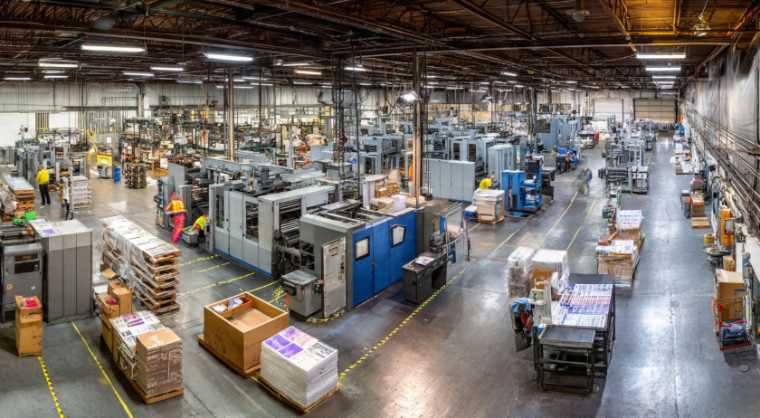

Running a printing business often means juggling quote requests, customer follow-ups, repeat orders, and marketing campaigns all at once. After spending countless hours managing repetitive tasks manually, a reliable marketing automation platform can completely change how a business grows.
From lead nurturing and CRM integration to AI-powered workflows and customer retention, the right platform helps printing companies save time, improve communication, and increase conversions without overwhelming internal teams.
Every Printing Business Needs A Marketing Automation Platform
Printing businesses rely heavily on repeat customers, long-term relationships, and timely communication. Without automation, valuable leads can easily go cold and customer engagement becomes inconsistent.
Smarter Lead Management
Strong lead management helps businesses respond faster and close more opportunities.
Automated Quote Follow-Ups
Many printing companies lose potential customers simply because quote responses are delayed. This keeps prospects engaged while reducing manual work for sales teams. A modern marketing automation platform automatically sends:
- quote reminders
- follow-up emails
- appointment scheduling links
- abandoned inquiry notifications
Lead Scoring And Qualification
Not every lead is equally valuable. This allows businesses to prioritize high-intent leads and improve conversion rates. Marketing automation software tracks customer behavior such as:
- website visits
- pricing page clicks
- email engagement
- service inquiries
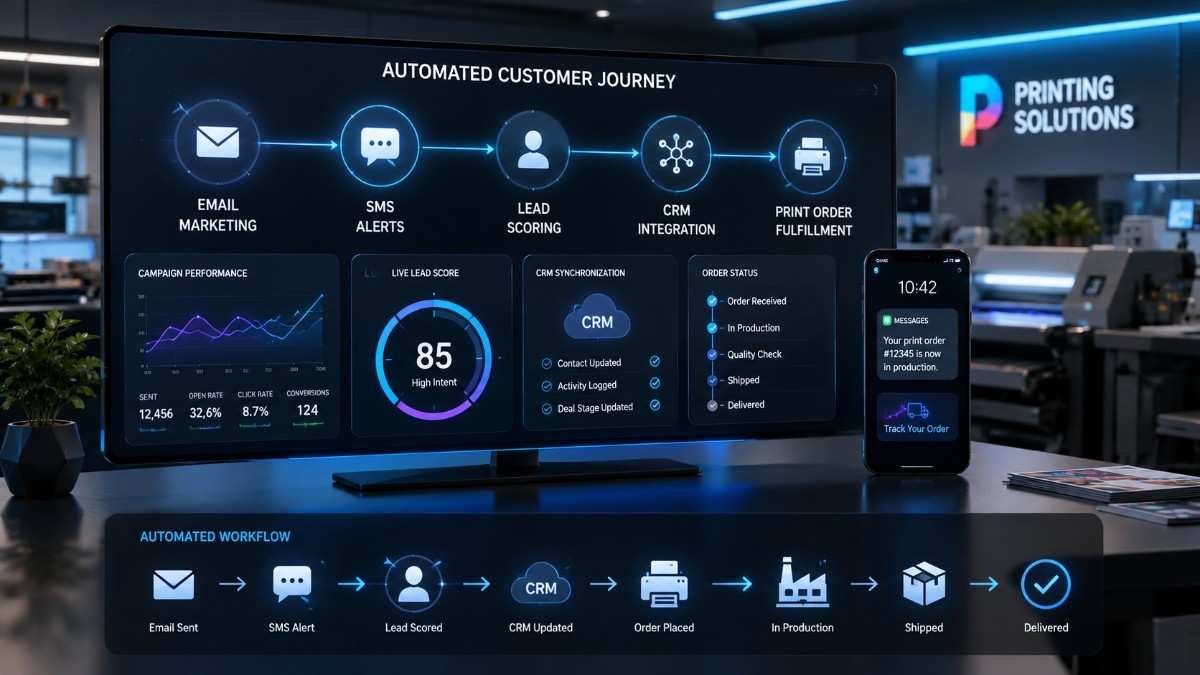
Personalized Customer Journeys
Customers expect personalized communication across every touchpoint.
Customer Segmentation
Printing businesses often serve multiple industries including retail, events, education, and corporate clients. This helps create highly targeted campaigns that feel relevant and timely. A marketing automation platform segments audiences based on:
- purchase history
- order frequency
- business type
- customer preferences
Email Workflow Automation
Personalized email marketing significantly improves customer retention and engagement. Instead of manually sending promotions, businesses can automate workflows for:
- welcome sequences
- reorder reminders
- seasonal promotions
- review requests
- loyalty offers
Top Marketing Automation Platforms For 2026
The best marketing automation platforms for 2026 combine CRM integration, AI automation, analytics, and omnichannel marketing capabilities.
Best All-In-One And CRM Platforms
These platforms are ideal for businesses looking for complete marketing and sales alignment.
HubSpot Marketing Hub
HubSpot remains one of the most popular all-in-one solutions for inbound marketing, lead generation, and CRM integration. It works well for both SMBs and enterprise teams while offering advanced reporting and automation features.
Salesforce Marketing Cloud
Salesforce Marketing Cloud is built for enterprise-level businesses that require powerful CRM connectivity, advanced customer journeys, and large-scale campaign management.
Zoho CRM
Zoho CRM offers budget-friendly automation for growing businesses. It combines sales management, email marketing, and modern workflow automation in one accessible platform.
Best Marketing Automation Platform For Ecommerce
These tools specialize in ecommerce automation and personalized shopping journeys.
Omnisend
Omnisend is widely used for email marketing, SMS campaigns, and ecommerce customer engagement. It supports advanced automation workflows designed for online stores and print merchandise businesses.
Klaviyo
Klaviyo focuses heavily on personalization and customer segmentation. Printing companies selling branded merchandise or packaging online benefit from its data-driven marketing tools.
Drip
Drip combines ecommerce CRM functionality with advanced automation and customer lifecycle marketing features that help improve ROI tracking.
Best Marketing Automation Platform For B2B Growth
B2B printing businesses often need longer sales cycles and deeper lead nurturing capabilities.
Adobe Marketo Engage
Marketo specializes in advanced lead scoring, nurturing, and enterprise-level campaign automation. It is especially useful for businesses managing complex B2B customer journeys.
Act-On
Act-On supports multichannel marketing automation with strong CRM integration and detailed customer behavior tracking.
Features That Matter Most In 2026
Modern businesses need more than basic email automation. The best marketing automation platform includes AI-driven insights, workflow flexibility, and scalable integrations.
Email And Multichannel Automation
Customers interact across multiple channels throughout the buying process from a single dashboard.
Unified Campaign Management
Top platforms allow businesses to manage:
- email campaigns
- SMS marketing
- push notifications
- social media engagement
Consistent Customer Experiences
Multichannel workflows help businesses maintain consistent messaging across every stage of the customer journey.
AI And Predictive Personalization
Artificial intelligence is becoming a major competitive advantage.

Smarter Campaign Recommendations
AI-powered tools analyze customer behavior and recommend:
- ideal send times
- audience targeting
- campaign improvements
- upsell opportunities
This helps improve campaign performance without requiring large marketing teams.
Predictive Analytics
Platforms like ActiveCampaign and Marketo use predictive analytics to forecast customer behavior and improve lead prioritization.
Workflow Integration And APIs
Automation becomes more effective when systems work together.
CRM And Ecommerce Integrations
Many businesses integrate their marketing automation software with CRM systems, ecommerce platforms, print management tools, and analytics dashboards to keep everything connected in one place. This creates smoother workflows, improves customer tracking, and gives teams better visibility into campaign performance and business growth.
Zapier And API Connectivity
Platforms with Zapier integration and flexible APIs make it easier to automate repetitive operational tasks across multiple business tools.
Pricing Trends For Marketing Automation Platforms In 2026
Pricing varies depending on contact volume, features, and automation complexity. Businesses should evaluate long-term scalability instead of choosing solely based on entry-level pricing.

Popular Pricing Benchmarks
Several leading platforms currently average these monthly costs for around 2,500 contacts:
- ActiveCampaign: approximately $39/month
- Omnisend: approximately $36/month
- Brevo: approximately $39/month
- ConvertKit: approximately $49/month
What Printing Businesses Should Prioritize?
Choosing the cheapest platform often creates limitations later. Instead, focus on:
- CRM integration
- workflow flexibility
- automation depth
- reporting capabilities
- customer segmentation
How To Choose The Right Marketing Automation Platform?
Finding the best platform depends on business goals, workflow complexity, and customer communication needs.
Evaluate Business Requirements
Start by identifying the biggest operational challenges.
Consider Your Sales Process
A printing company with long B2B sales cycles may need stronger CRM and lead nurturing features, while ecommerce-focused businesses may prioritize SMS and abandoned cart automation.
Analyze Existing Tech Stack
The ideal marketing automation platform should integrate smoothly with current systems to avoid workflow disruptions.
Focus On Ease Of Use
Complicated platforms often slow adoption and productivity.
Simple Workflow Builders
User-friendly drag-and-drop automation builders help teams launch campaigns faster without technical expertise.
Clear Reporting Dashboards
Easy-to-understand analytics dashboards help businesses monitor conversion rates, campaign performance, customer engagement, and ROI metrics in one place. This makes it easier for teams to measure results, optimize marketing strategies, and make smarter decisions without dealing with overly complex reports.
Frequently Asked Questions
1. Which is the best marketing automation tool?
HubSpot, ActiveCampaign, and Salesforce Marketing Cloud are among the best marketing automation tools for 2026 depending on business size and automation needs.
2. Is there a 100% free CRM?
Yes. HubSpot offers a free CRM with contact management, email tracking, and basic automation features.
3. What is the difference between CRM and marketing automation platform?
A CRM stores customer and sales data, while a marketing automation platform automates campaigns, customer journeys, and lead nurturing workflows.
4. What is an example of marketing automation software?
Popular examples include HubSpot, ActiveCampaign, Omnisend, Marketo, Brevo, and Klaviyo.
Ready To Put Your Marketing On Autopilot?
A modern marketing automation platform helps printing businesses automate repetitive tasks, improve customer engagement, and generate more qualified leads with less manual effort. The best platforms for 2026 combine CRM integration, AI-powered personalization, multichannel marketing, and advanced workflow automation to support long-term growth.
Businesses that invest in smarter automation today are far better positioned to compete, scale, and build stronger customer relationships tomorrow.